
Last updated November 22, 2026
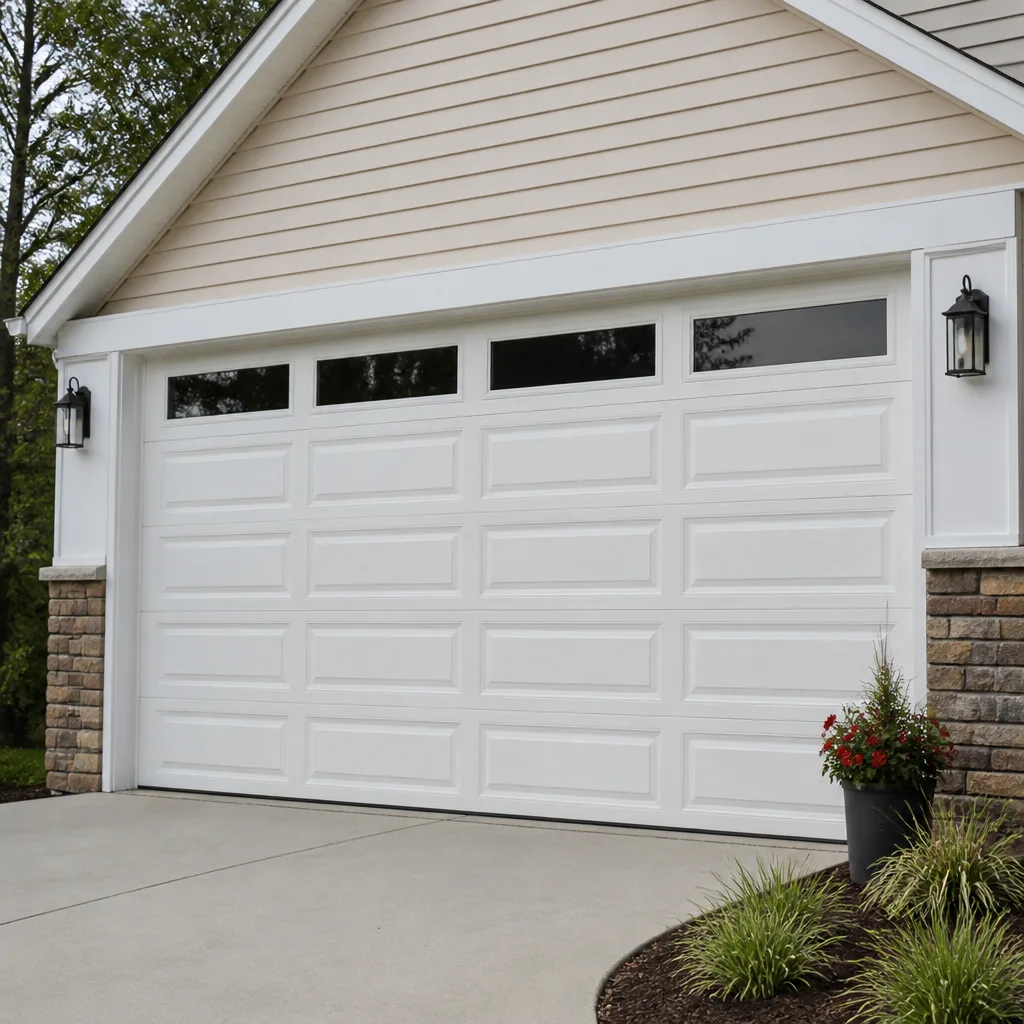 Raised-panel steel
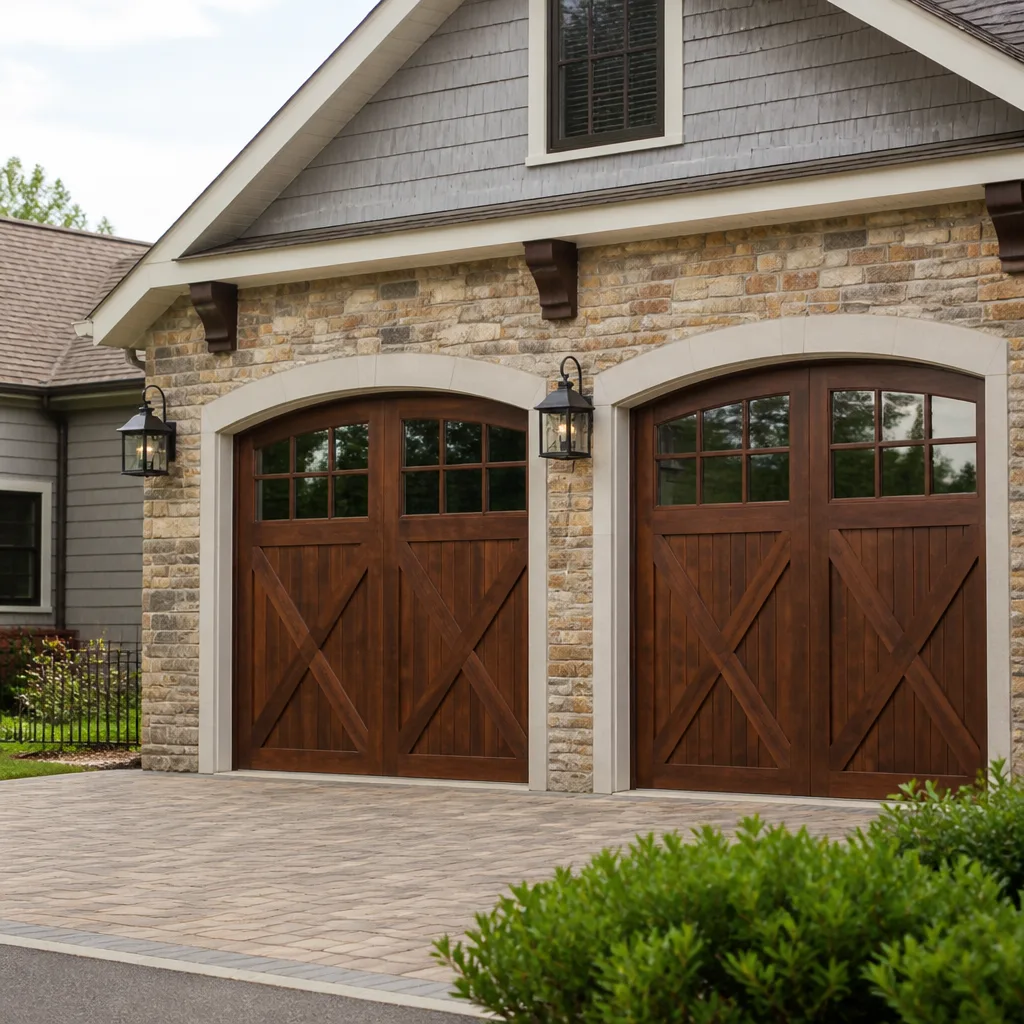 Carriage house
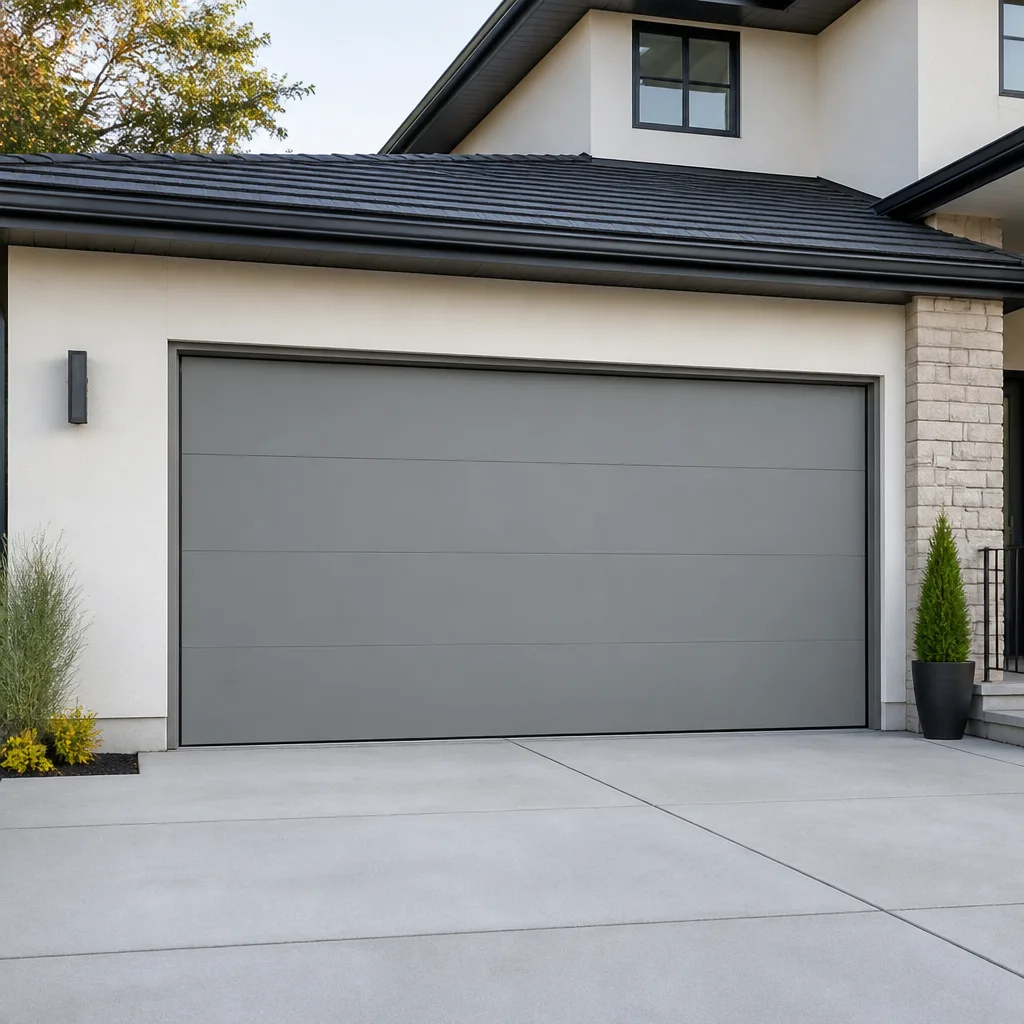 Modern flush
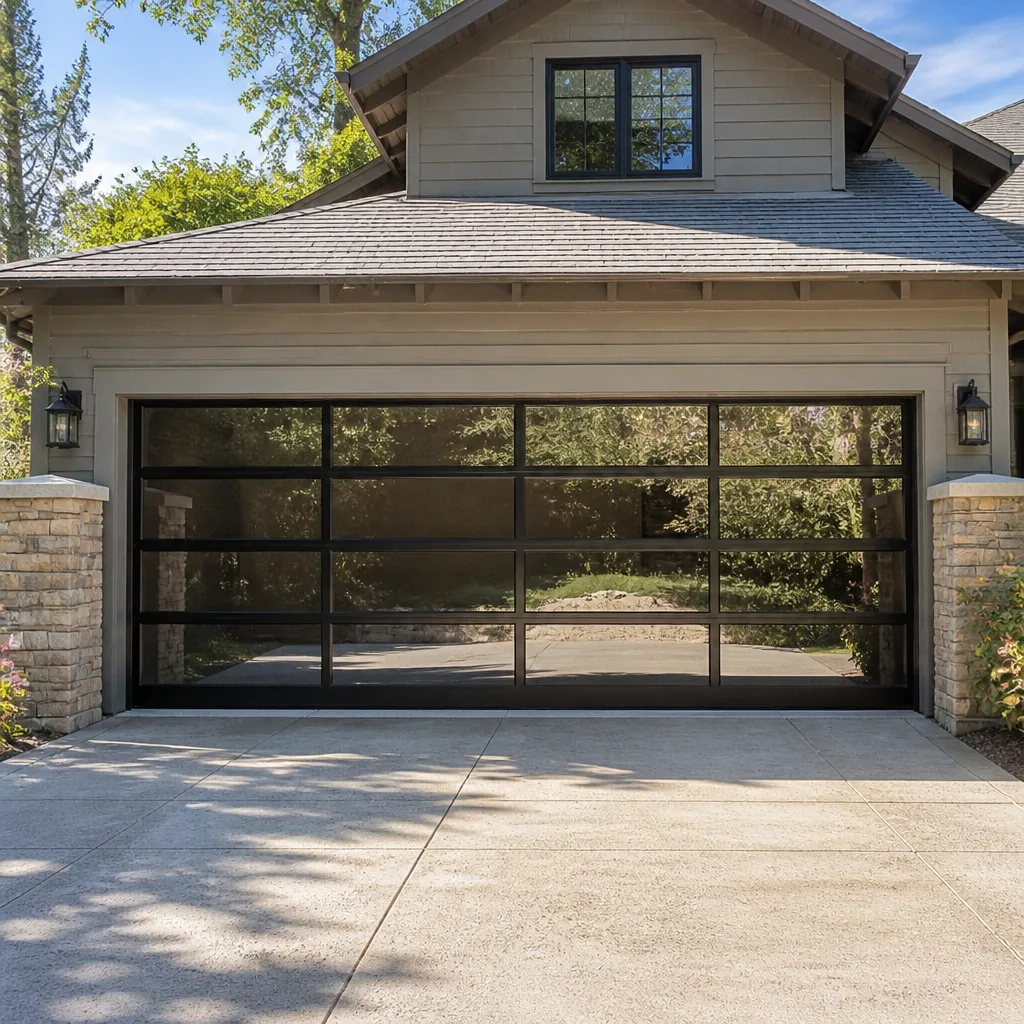 Full-view glass
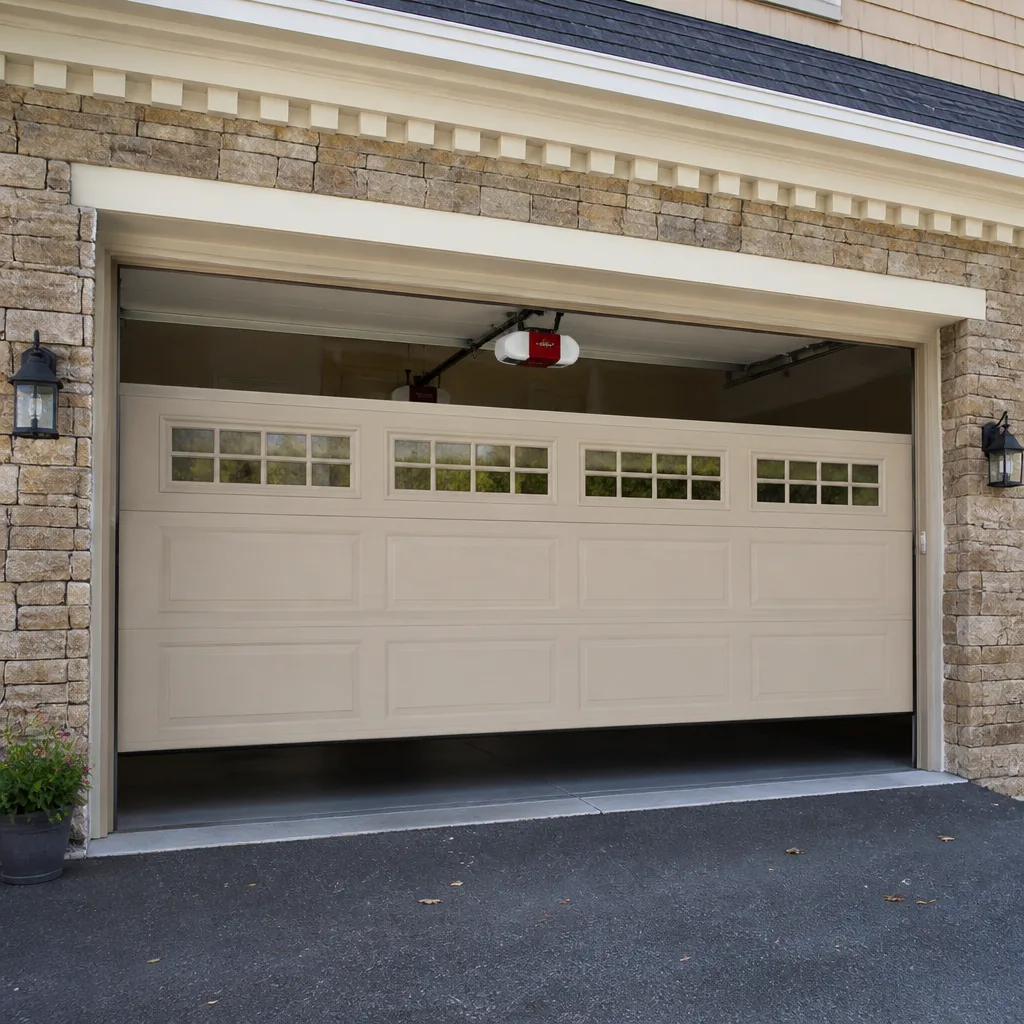 LiftMaster openers
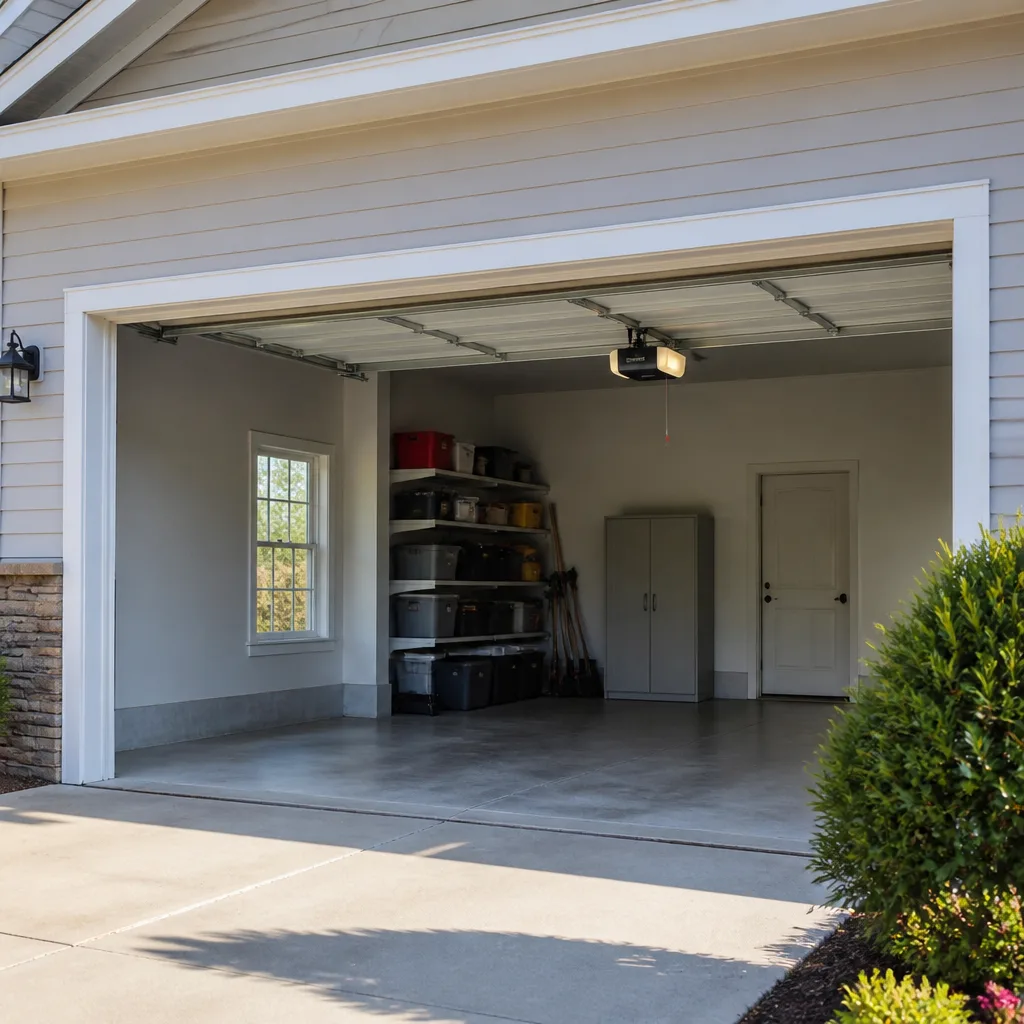 Chamberlain openers
Full 25-point door and opener safety check with every visit - springs, cables, rollers, tracks, and your LiftMaster or Chamberlain opener included
You get a price before we start. It does not change when the pro arrives.
Get your free estimateGarage Door Repair Troubleshooting in Harvey Park: Common Problems and How to Fix Them
A door that won’t open could mean six completely different things, and three of them you can check in under ten minutes for free. That’s the part most homeowners miss. The instinct is to assume the opener is broken, or the spring snapped, or the whole door needs replacing, when the actual cause is a misaligned sensor, a tripped breaker, or a remote with a dead battery. This guide maps what you’re seeing to what’s probably causing it, so you know whether this is a screwdriver-and-five-minutes problem or a call-a-specialist problem. We walk through the five mechanical categories, how Harvey Park’s temperature swings fit in, which repairs you should never touch yourself, and the fastest diagnostic order so you don’t waste time checking the wrong thing first.
Quick Answer
Most garage door problems in Harvey Park trace back to one of five mechanical categories: spring failure, cable or drum issues, track misalignment, opener or sensor faults, or panel and hinge wear. Start your diagnosis at the door itself, not the opener. If the door is heavy to lift by hand or won’t stay up when you let go, it’s a mechanical problem and the opener isn’t the culprit. Free fixes like remote batteries, sensor alignment, and a tripped breaker are worth checking first; spring and cable work is never a DIY job.
Styles & brands we work with
- Raised-panel steel
- Carriage house
- Modern flush
- Full-view glass
- LiftMaster openers
- Chamberlain openers
Table of Contents
- The symptom-to-cause matrix: what your door is telling you
- Opener failure or mechanical failure? How to tell the difference
- The right diagnostic order (and what to check first)
- Springs and cables: why these repairs require a professional
- How Colorado’s temperature swings affect your door in Harvey Park
- Free fixes you can try in under ten minutes
- Noise, grinding and what parts wear first
- Repair or replace? Reading the signs
The symptom-to-cause matrix: what your door is telling you
Your door is already telling you what’s wrong. The behavior you’re seeing maps fairly reliably to a specific component, and that mapping is the single most useful troubleshooting tool you have. Here’s how we break it down.
Door won’t move at all. No sound, no light, no response to the remote or wall button. This usually points to the opener’s power supply or the wall control wiring before it points to the motor. Check the breaker and the wall control connection first.
Motor hums but the door doesn’t move. The opener is trying, but the load is too heavy or the drive mechanism is stripped. On a chain-drive opener, a worn sprocket or a broken trolley connection can produce exactly this sound. On the mechanical side, a broken spring makes the door too heavy for the opener to lift, so the motor hums and the door sits there.
Door goes up a few inches and stops. Often a sensor issue, a binding track, or a spring that’s failing but not fully broken. If the door stutters and reverses at the same height every time, look at the travel limits or the safety sensors before you blame the springs.
Door reverses before it reaches the floor. Safety sensors are misaligned, dirty, or obstructed. This is the most common complaint we field in Harvey Park and it’s almost always free to fix.
Loud grinding or squealing. Rollers, hinges, and the opener’s gear assembly. Metal-on-metal noise that gets worse over weeks is usually a roller that’s seized or a hinge that’s worn. Grease quiets it temporarily but doesn’t fix the underlying wear.
Door drifts down after opening. Weak or broken springs, or an opener with a failed clutch. If the door won’t stay up when you disconnect the opener and lift it by hand, the springs are the cause.
Opener failure or mechanical failure? How to tell the difference
This is the diagnostic fork that stops most homeowners cold. The good news is there’s a reliable test that takes about a minute and doesn’t require tools. The bad news is that most people skip it and assume the opener is the problem, which leads to the wrong call and sometimes the wrong repair.
- Pull the emergency release cord. With the door down, pull the cord that hangs from the trolley. This disconnects the opener from the door.
- Lift the door by hand. A properly balanced door lifts with one hand and stays up at roughly waist height when you let go. If it feels heavy or won’t stay up, you have a mechanical problem: springs, cables, or a binding track.
- Press the wall button or remote with the door disconnected. If the opener runs smoothly but the door doesn’t move, the opener is probably fine and the door is the problem. If the opener doesn’t respond at all, the fault is on the opener side.
Once you know which side of that line you’re on, troubleshooting changes completely. Opener-side problems involve power, sensors, remotes, logic boards, and travel limits. Mechanical-side problems involve springs, cables, rollers, tracks, and panels. They need different tools and different skills. Confusing the two is the most common reason homeowners end up buying a new opener they didn’t need, or trying to adjust a spring that actually should be replaced.
If you’re still not sure after the disconnect test, that’s the moment to stop guessing. Our garage door repair technicians run this same test on every call, and we can tell you on the phone which side you’re likely on before we arrive.
The right diagnostic order (and what to check first)
Check things in the wrong order and you’ll waste an hour. Check them in the right order and most problems resolve in fifteen minutes. Here’s the sequence we use, and it works for almost every door type in Harvey Park, whether you have a Craftsman opener from the 1990s or a newer LiftMaster with a battery backup.
- Power. Is the opener plugged in? Has the breaker tripped? Is there a GFCI outlet in the garage that’s been tripped by a recent storm? This is the number one cause of “dead opener” calls and it costs nothing to check.
- The remote and wall control. A dead remote battery is free to fix. If the wall button works but the remote doesn’t, you’ve found your problem. If neither works, move to the next step.
- Safety sensors. Look at the two photo-eye lenses near the floor on each side of the door. Is one blocked by a trash can, a bicycle, or a leaf? Is the LED on either one blinking instead of solid? Misalignment here causes reversal, and it’s a two-minute fix.
- The disconnect test. Pull the release cord and lift the door by hand. This tells you whether you have an opener problem or a mechanical problem. Everything after this step depends on the answer.
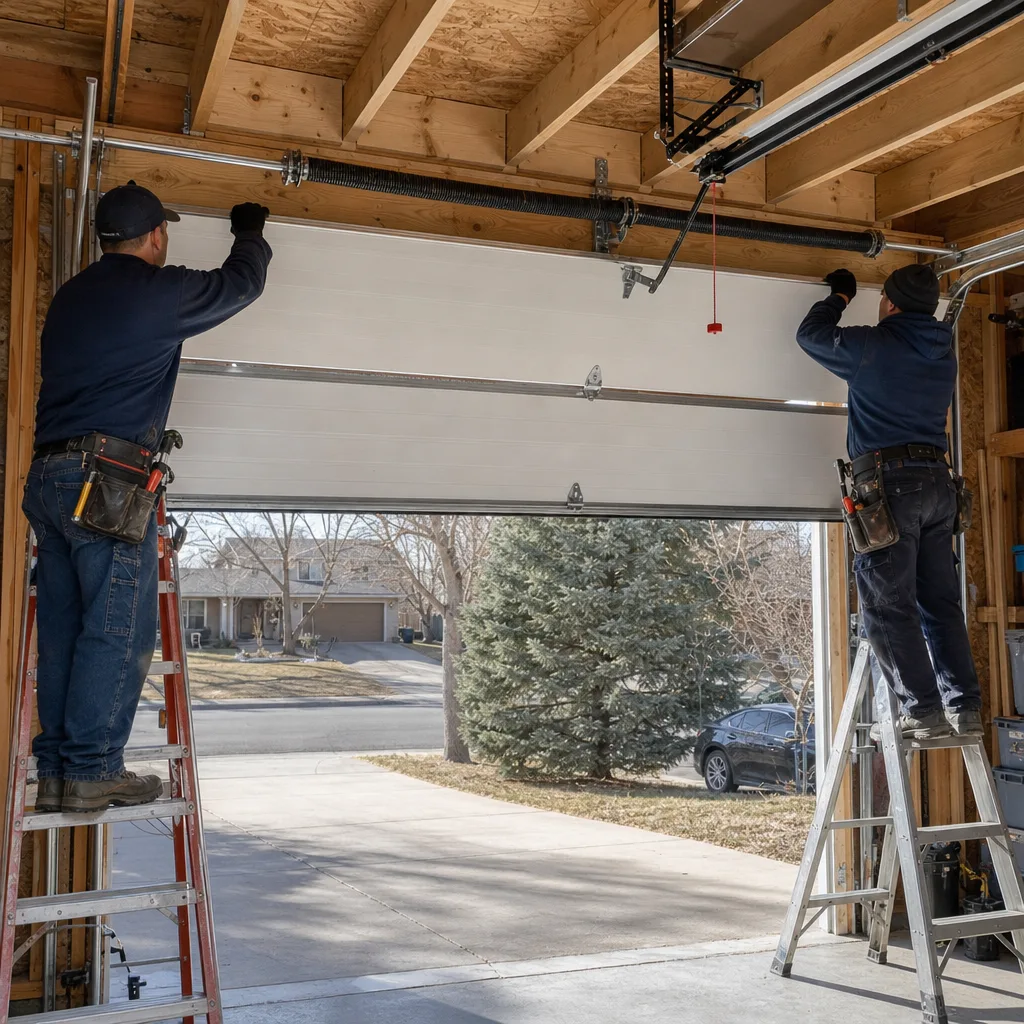
- Visual inspection of the door itself. Walk around the door and look at the springs, cables, tracks, rollers, and hinges. Do you see a gap in a spring coil? A cable that’s jumped the drum or is frayed? A track that’s bent away from the door?
Only after those five steps should you start looking at the opener’s logic board, travel limits, or force settings. Those adjustments are real fixes for real problems, but they’re also the step where homeowners make things worse by turning a screw that controls the door’s downward force. And any time you see a broken spring or a cable off its drum, stop and call before you touch anything else.
Springs and cables: why these repairs require a professional
A torsion spring holds hundreds of pounds of force, and when it fails it lets all of that go at once. A broken spring or a cable that slips its drum is dangerous to handle even for a careful homeowner, and it’s the one category in this guide where the honest answer is always “call.” That’s not caution for its own sake. A torsion spring must be unwound before removal and wound to a precise tension on installation, with the right tools and the right control of the winding bars. Getting it wrong can mean a serious hand or arm injury. It’s also the reason many general handyman services won’t take a spring job at all. We handle spring repair as a core service, and our technicians have up to 12 years of experience working on them.
Cables are the same story. A cable under tension that lets go can strike with enough force to cut through a hand, and a cable that’s jumped the drum can torque the door unevenly and bend the tracks. Cables work in tandem with the springs. If one fails, both are usually inspected, and often the pair is replaced together. Our garage door opener repair calls often start as an opener diagnosis and end with cable or spring work, because the opener was never the problem.
What you can do safely: look. Note whether the spring has a visible gap, whether the door hangs unevenly, whether either cable looks slack or frayed. Then stop. Describing those conditions on the phone helps us arrive with the right parts, and parts on hand means a faster fix. Amarr and Wayne Dalton doors use slightly different spring setups, so knowing your door’s brand and rough age helps narrow it down before anyone opens a toolbox.
How Colorado’s temperature swings affect your door in Harvey Park
The broad temperature swings that Colorado gets in spring and fall do something to garage doors that homeowners in milder climates don’t deal with. Metal parts contract and expand with each shift, and torsion springs lose some of their lifting power in cold weather. A door that’s been quietly under stress for a year can fail in one dramatic way on the first cold morning of the season, which is why spring failures cluster in the colder months.
What that means for troubleshooting in Harvey Park:
- Doors that open slowly in cold weather are often a sign that the springs are near the end of their working life. Cold steel resists bending, so a tired spring has to work harder. If the door starts dragging or the opener strains when the temperature drops, the springs are the first thing to check, not the opener.
- Tracks and rails can bind seasonally. A track that’s slightly out of alignment can work fine in summer and bind in winter as the metal shrinks. If a door sticks only in one season, look at the track gap on both sides of the door.
- Rollers and hinges rattle more in the cold. Lubricant that’s thin in warm weather can stiffen enough in winter to let metal chatter. A silicone-based lubricant on rollers and hinges helps, and it’s a safe five-minute job for a homeowner.
- Doors can freeze to the floor. After a wet snow or an overnight freeze, the bottom weather seal can freeze to the concrete. Don’t force the opener. Free the door by hand from the outside first.
- Expansion and contraction stress the panels and seals. Wood and steel panels move slightly with the seasons, and weather seals that were tight in summer can develop gaps by winter.
Harvey Park homes span a wide range of build eras, and some of the neighborhood’s older doors have been through more than three decades of these swings. That’s worth knowing before you assume the door is failing for a mechanical reason when it’s actually responding to the season.
Free fixes you can try in under ten minutes
A surprising share of garage door calls we get in Harvey Park resolve before we turn onto the street. Here’s a list of what to try yourself, in order, before you reach for the phone.
- Reset the breaker. Check the garage panel. If the opener’s circuit breaker has tripped, reset it and test the wall control. Nothing else matters until you’ve confirmed power.
- Replace the remote battery. A CR2032 costs a couple of dollars, and if the remote works from close to the door but not from the end of the driveway, the battery is the likely culprit.
- Wipe the sensor lenses. Dust, cobwebs, or a leaf across either photo-eye lens will stop the door in its tracks. Wipe both with a soft cloth and test.
- Realign the sensors. Look for a small LED on each sensor. If one is blinking, the pair is out of line. Loosen the wing nut, aim the sensor so the LED goes solid, and tighten it back down.
- Clear the safety sensor path. Check that nothing is sitting between the sensors near the floor, including the door’s own track if it’s been bent inward.
- Check the wall control wiring. If the wall button doesn’t work but the opener responds to a remote, the low-voltage wire to the wall control may be loose at the terminal.
- Pull the release cord and lift the door. If it lifts easily and stays up, the door mechanics are fine, and your problem is on the opener side.
If you’ve run through all seven and the door still won’t work, that’s when a specialist is the efficient choice. We can usually narrow it down over the phone before we arrive, which saves time on the diagnostic. Our Garage Door Repair Harvey Park team does this every day.
Noise, grinding and what parts wear first
Garage doors don’t usually fail all at once. They wear in a predictable order, and if you know what wears first, you can catch a problem before it turns into a bigger repair. The order goes roughly like this.
Rollers. Nylon rollers wear out and steel rollers get flat spots. A worn roller makes a rumbling sound, especially in cold weather, and eventually allows the door to rattle in its track. Rollers are one of the simplest parts to replace, and we carry common sizes as part of our parts supply, so a worn set is a quick fix.
Hinges. The hinges between panels bear the most weight and take the most wear. A dry hinge squeaks. A worn hinge has play and eventually lets the panel sag. Lubrication extends their life, and replacement restores the panel alignment.
Weather seals. The bottom seal on a Harvey Park door takes a beating from freeze-thaw cycles. A hardened or torn seal lets in water, cold air, and small animals. It’s a low-cost part and worth replacing as soon as you notice cracking.
Cables. Cables wear slowly and then fail suddenly. Frayed strands are a warning sign. Don’t handle the cable itself; call for an inspection if you see fraying.
Springs. The longest-lived component in the mechanical system, and the most dangerous when it goes. Torsion springs typically last somewhere in the range of several thousand open-and-close cycles, but we don’t give a specific number because it depends heavily on door weight, use, and the spring type in your specific door.
Openers. The opener itself outlasts most of the parts it drives. A well-maintained opener can run for a decade or more, but the gear assembly and logic board are the two parts that fail first. Brands like Raynor and Chamberlain have different internal gear designs, so knowing your model helps us diagnose quickly.
When a door gets noisy, it’s usually two or three of those parts wearing together, not just one. Fixing only one symptom leaves the others to fail in a few months. A whole-system look at the door is why we insist on checking rollers, hinges, cables, and springs together rather than just addressing the noise.
Repair or replace? Reading the signs
Most garage door problems are repairs, not replacements. But some doors reach a point where spending money on the current door competes with installing a new one, and that’s when a replacement genuinely makes sense. Here are the signs we use to advise a homeowner.
- Multiple panels are dented or cracked. A single dented panel can usually be replaced. If three or four panels are damaged, the cost of replacement panels starts to approach a new door.
- The door is out of balance and can’t be corrected. If the tracks and panels are warped beyond adjustment and the door won’t track straight even after new springs, the door’s structure is the problem.
- Heavy rust or wood rot along the bottom edge. Colorado’s freeze-thaw cycles can eat away at the bottom rails of steel and wood doors over many seasons. When that damage is structural, patching it stops being sensible.
- The door is very heavy and unsafe to keep working on. Older doors built before current safety standards can be heavier and lack modern pinch protection. Replacing them improves safety for everyone in the household.
- You’re planning to move in a few years. A new door is one of the few exterior upgrades that pays attention back when you sell, and it changes how the whole house looks.
When a replacement is the right call, the brand matters less than matching the door to your opening, your home’s style, and how you actually use the garage. Amarr, Clopay, Wayne Dalton and Raynor all make solid residential doors, and the right pick depends on what’s currently installed and what you want from the door. Our garage door installation team can walk you through brand options before you commit, and we measure first so the door you order actually fits.
Common Mistakes to Avoid
- Blaming the opener first. The opener is easy to suspect and expensive to replace. Run the disconnect test before you spend anything on an opener repair.
- Trying to adjust a torsion spring yourself. A spring that’s under tension holds an enormous amount of stored energy. This is the one repair in this guide you should never attempt without the training and tools.
- Forcing a door that’s frozen or stuck. If the door won’t move, forcing it with the opener or by hand can bend panels or snap a cable. Clear the obstruction first, then test.
- Turning the force adjustment up to solve a sticking door. The force setting is a safety limit, not a power boost. Turning it up masks a mechanical problem and disables the door’s built-in protection against crushing something underneath.
- Ignoring a seasonal noise. Grinding that shows up every November and clears by March still indicates wear. Left alone, it usually turns into a bigger repair by the next winter.
- Using WD-40 as a lubricant on rollers and hinges. It’s a solvent, not a long-term lubricant. Use a proper silicone or lithium-based garage door lubricant on the tracks, rollers, and hinges.
- Ignoring the sensors after a storm. A fallen branch or a power surge can knock the photo-eyes out of alignment. If the door reverses after a storm, check the sensors before anything else.
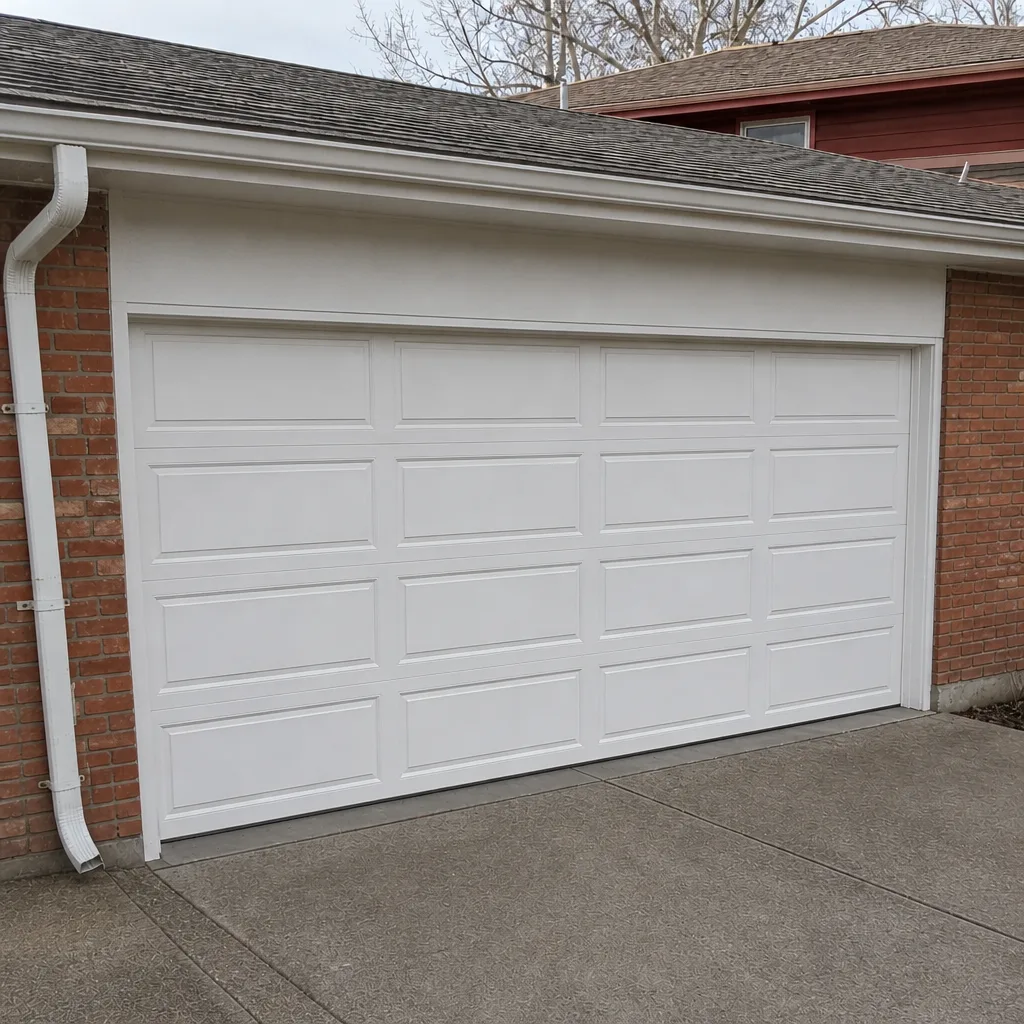
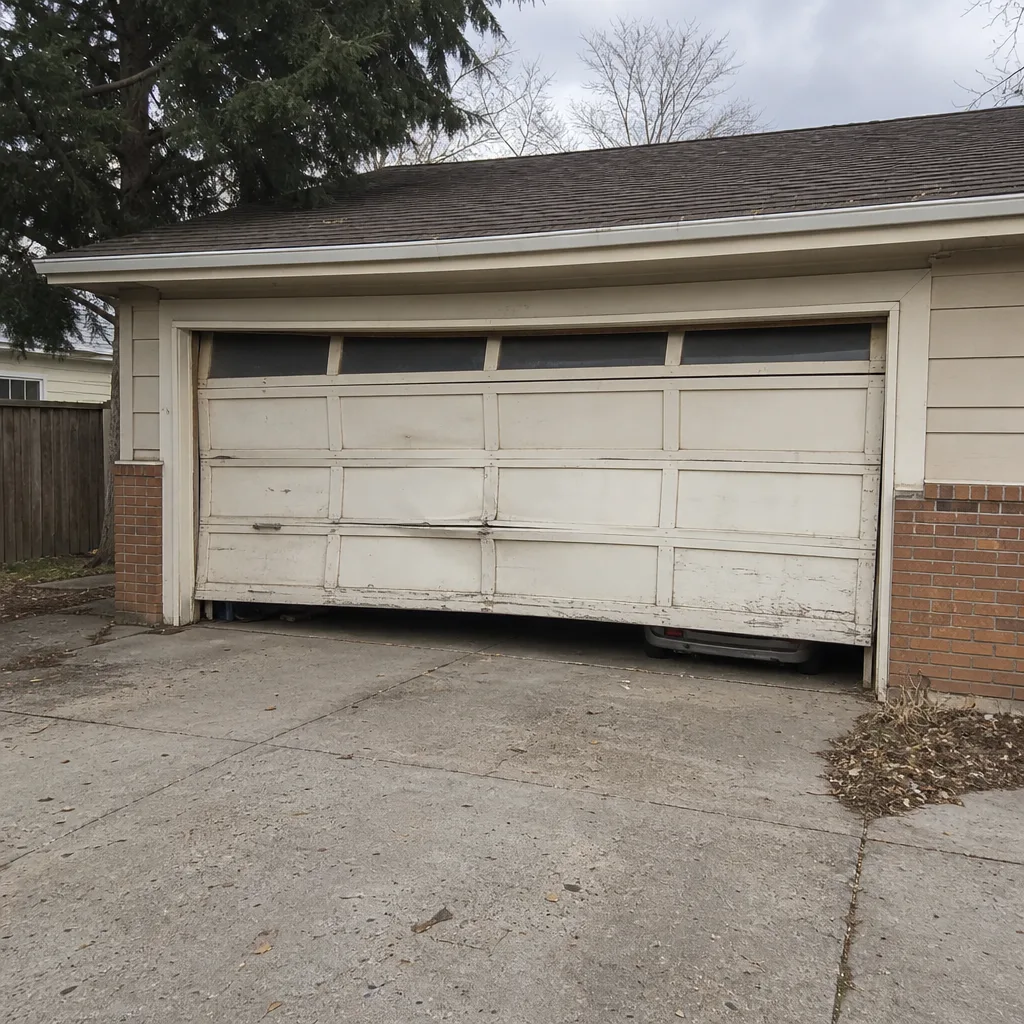
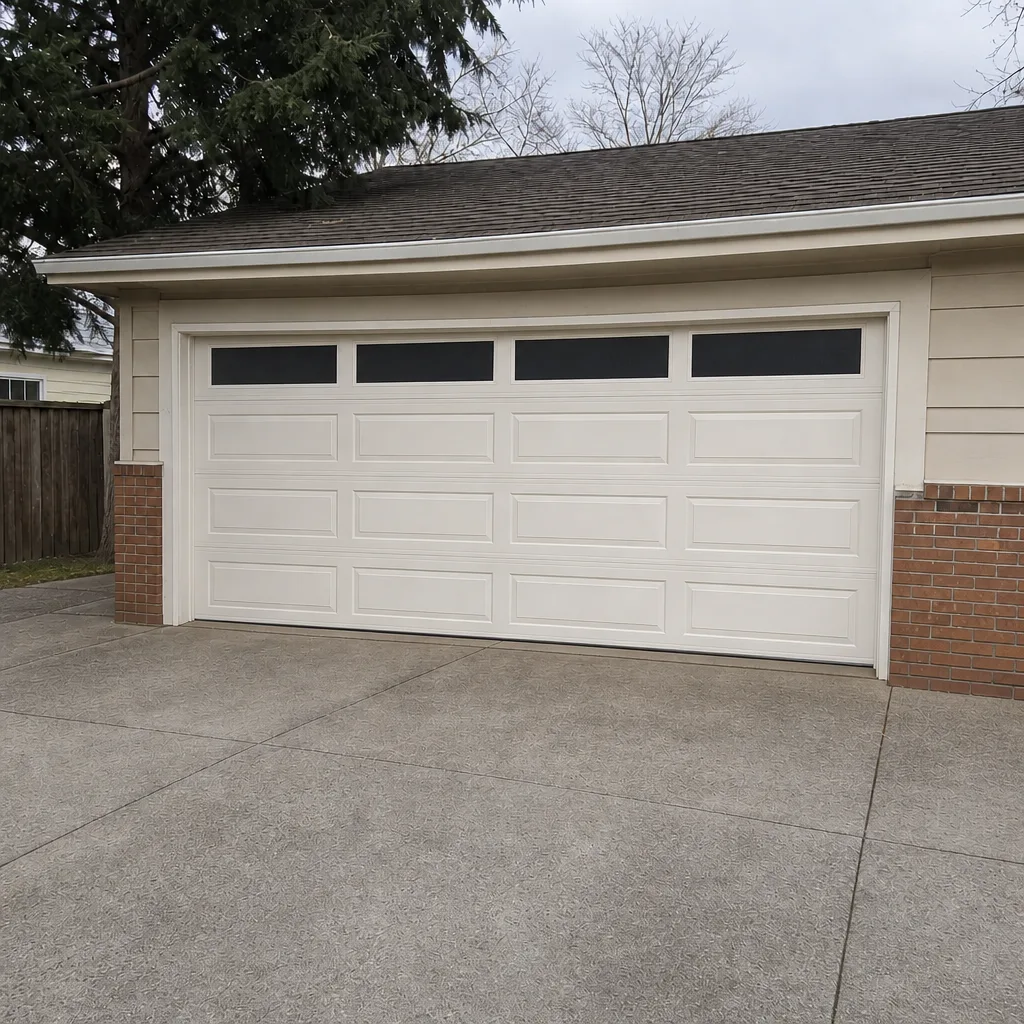
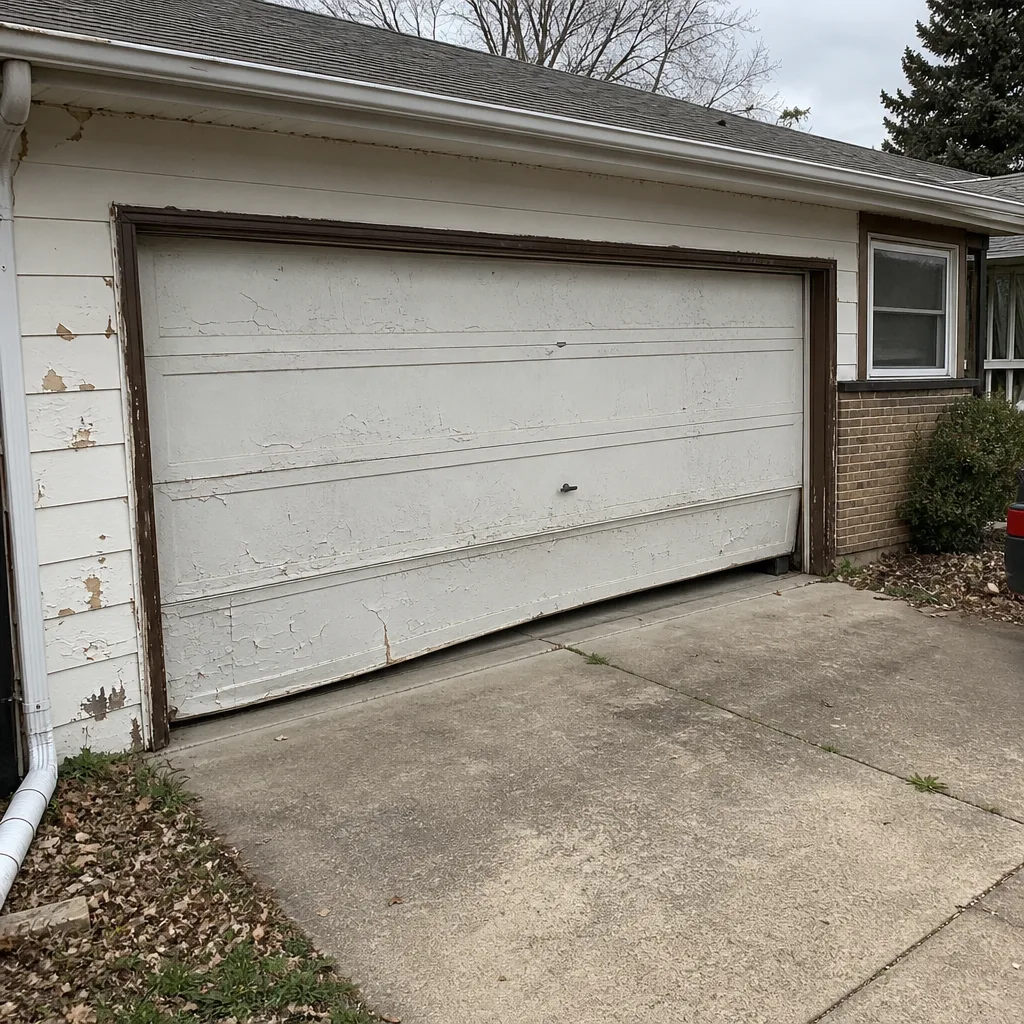
See the difference
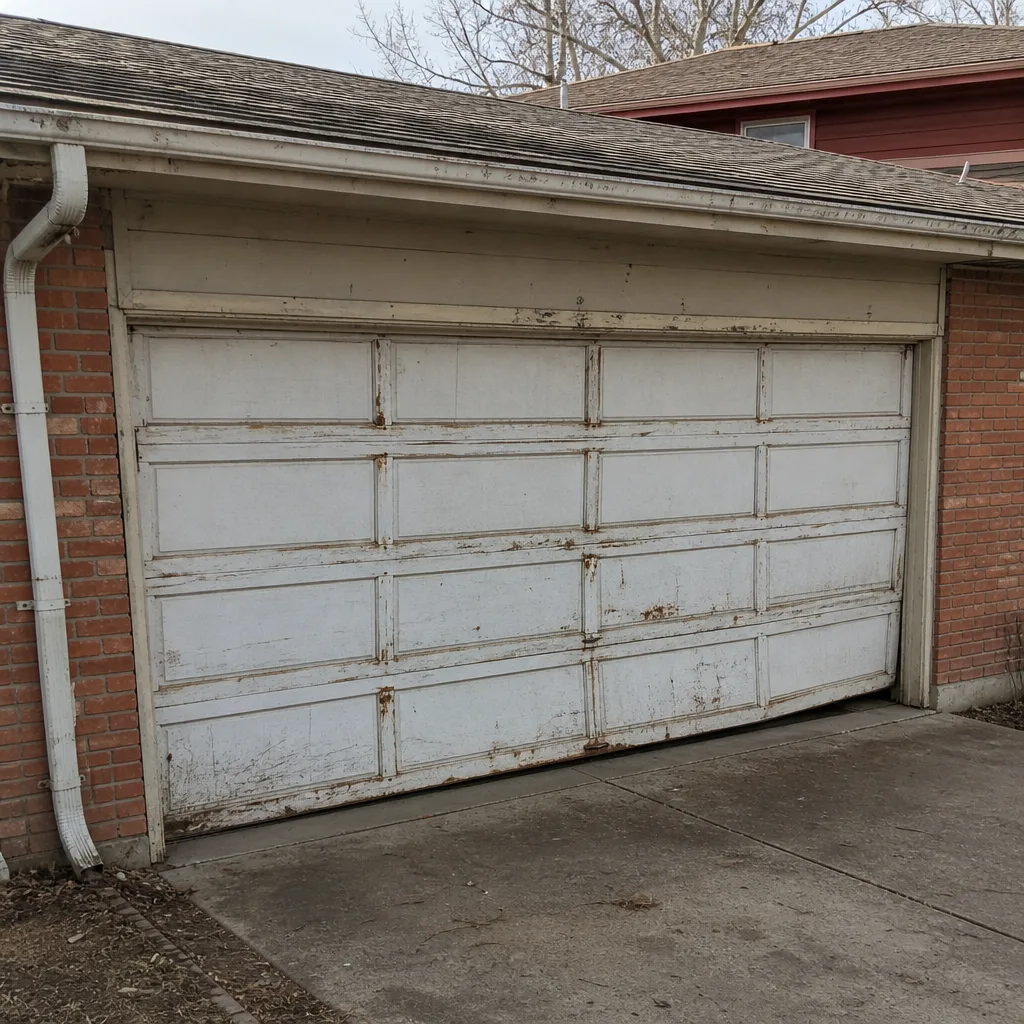 Before
 After
 Before
 After
 Before
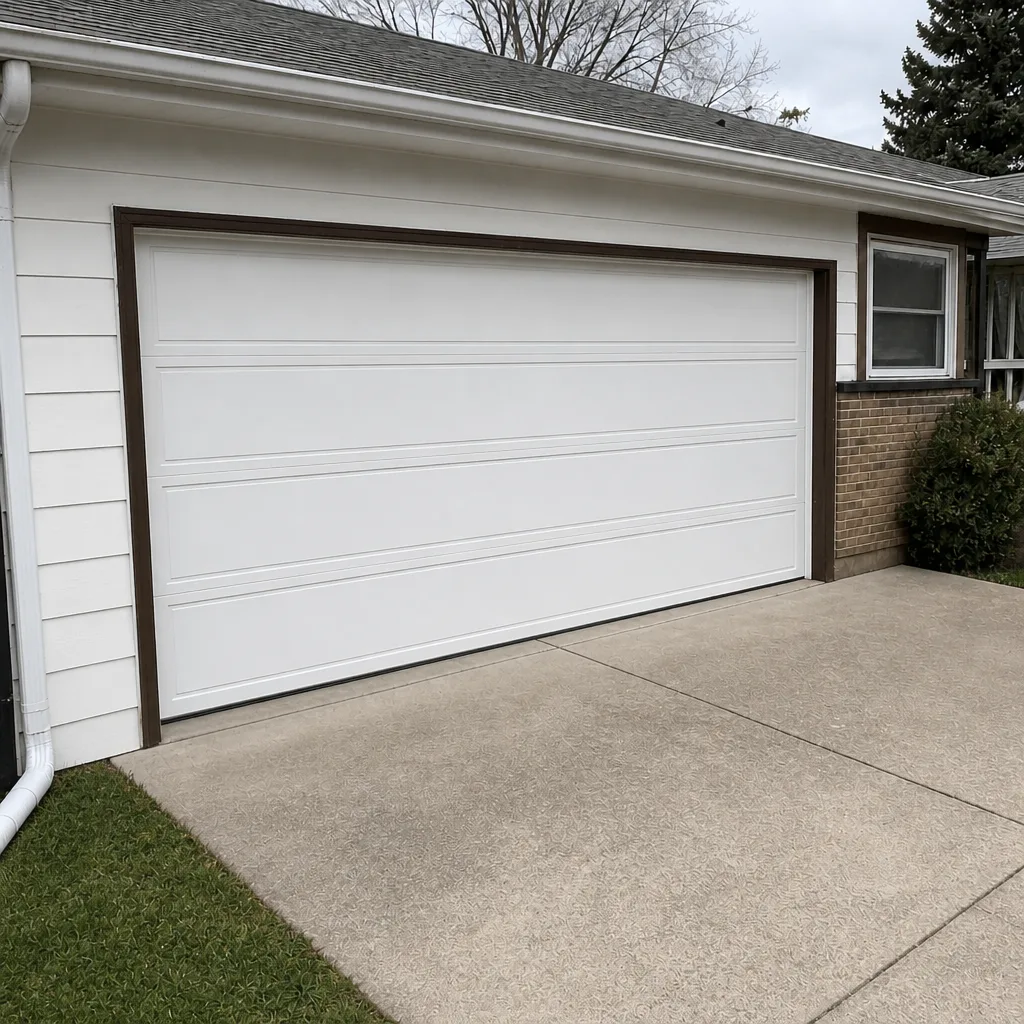 After
When to Call a Professional
Call a professional the moment you see a broken spring, a cable off its drum, a door hanging unevenly, or any sign of damaged hardware near moving parts. Those are the situations where trying to fix it yourself can turn a repair into an injury or a much bigger replacement. Call us if the door stops responding to every control, if the opener hums but nothing moves, or if the door reverses no matter what you try with the sensors. A stubborn door that’s failed the free fixes is usually a mechanical problem hiding behind an electrical symptom. Garage Door Repair Harvey Park offers free estimates in Harvey Park, with the price quoted and agreed before any work begins. Call (833) 319-0790. We answer 24/7. Fast dispatch from 7am to 7pm, Sunday through Friday.
Frequently Asked Questions
A door that opens a few inches and stops is usually hitting a safety sensor issue, a binding track, or a failing spring. If the door reverses at the same height every time, suspect the sensors or the opener’s travel limits. If it lifts a few inches then stalls with the motor still running, suspect a heavy door and a worn spring. Call (833) 319-0790 for an exact quote – estimates are free.
Pull the emergency release cord to disconnect the opener from the door, then lift the door by hand. If it’s heavy or won’t stay up on its own, the door has a mechanical problem – usually a spring or cable. If it lifts easily and stays, the problem is on the opener side. That test takes about a minute and costs nothing.
Same-day service is often possible for repairs, and we dispatch from 7am to 7pm, Sunday through Friday, with same-day service available. If you call outside that window, we book you into the next opening. Installation and door replacement work is different: those jobs are measured first and scheduled once the new door is confirmed. Call (833) 319-0790 and we’ll tell you what timing works.
No. We quote the price before any work starts, and the written estimate sets the final price. If we find a second problem on the door during a repair, we tell you before we touch it and quote it separately. You approve, then we work. Call (833) 319-0790 – estimates are free.
Yes. The local professional we connect you with is state-licensed and insured as Colorado requires for this trade. Our technicians have up to 12 years of experience working on springs, cables, openers, and the full door assembly. Call (833) 319-0790 to ask about your specific job.
A single torsion spring repair typically runs $180 to $340 in this market, and because matched springs are almost always replaced as a pair, expect roughly double that for a pair. The exact price depends on door weight and spring type. We confirm the price in writing before work begins. Call (833) 319-0790 – estimates are free.
The Bottom Line
Most garage door problems fall into five categories, and the disconnect test is what tells you which one you’re facing. Run it before you do anything else. Then check the free fixes: breaker, remote battery, sensor alignment, and obstruction. If those don’t solve it, you’re looking at a mechanical issue, and springs and cables are the one part of this job that needs a specialist with the right training. The temperature swings in Harvey Park make seasonal issues worse, and it’s worth a whole-system look rather than a patch on one part. Our technicians recognize the brand in your garage – LiftMaster, Chamberlain, Genie, Clopay, Amarr, Wayne Dalton, Craftsman, and Raynor – and we handle the whole door from the spring to the opener. One specialist, the whole door. Call (833) 319-0790. We answer 24/7. Fast dispatch from 7am to 7pm, Sunday through Friday. Free estimates, and the written quote is the price.
Written by the team at Garage Door Repair Harvey Park.