
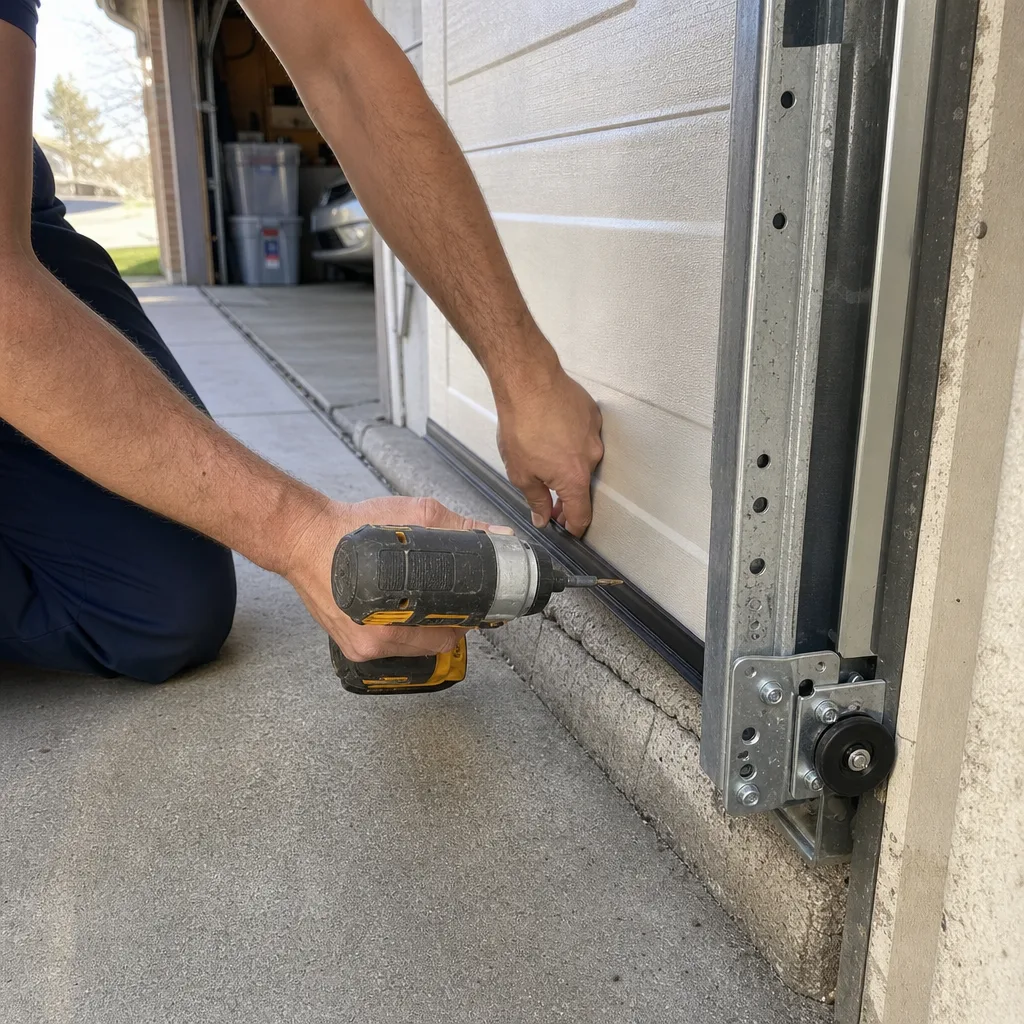
Last updated November 22, 2026
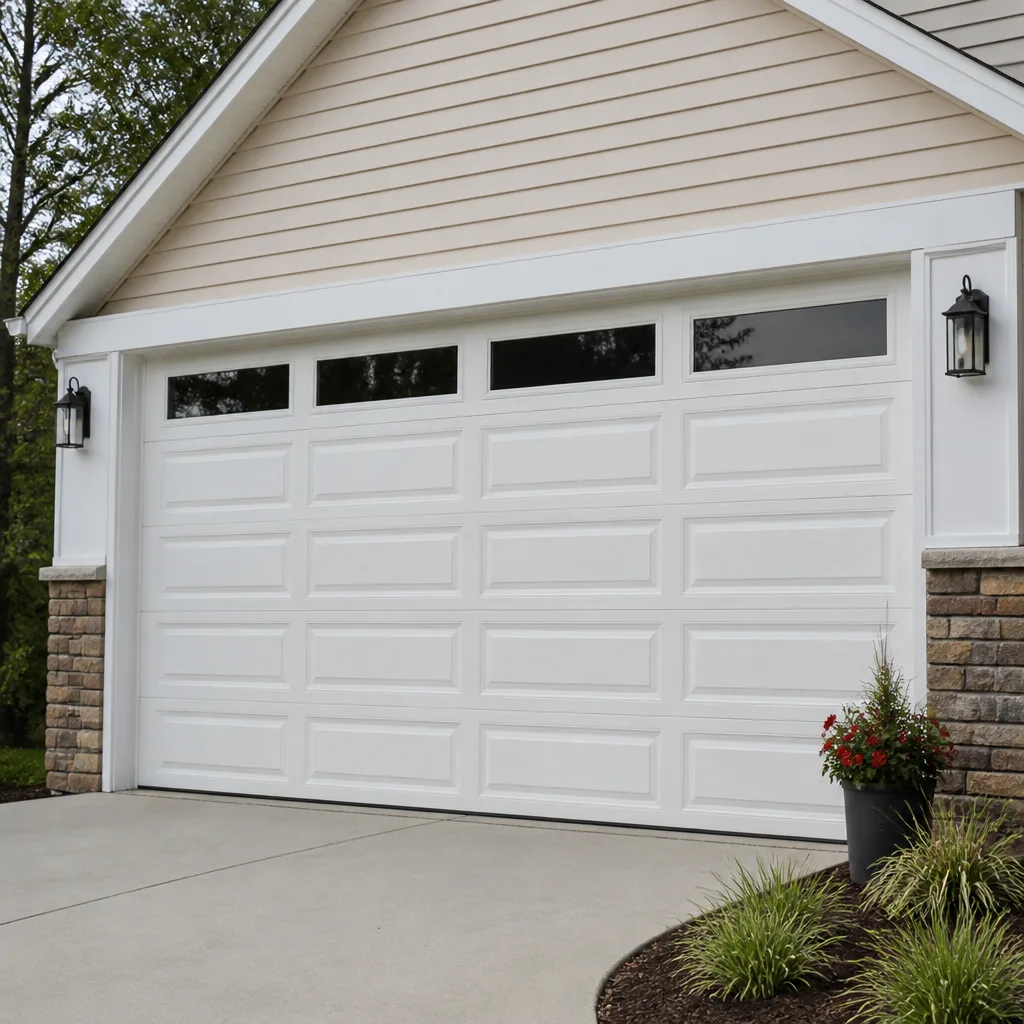 Raised-panel steel
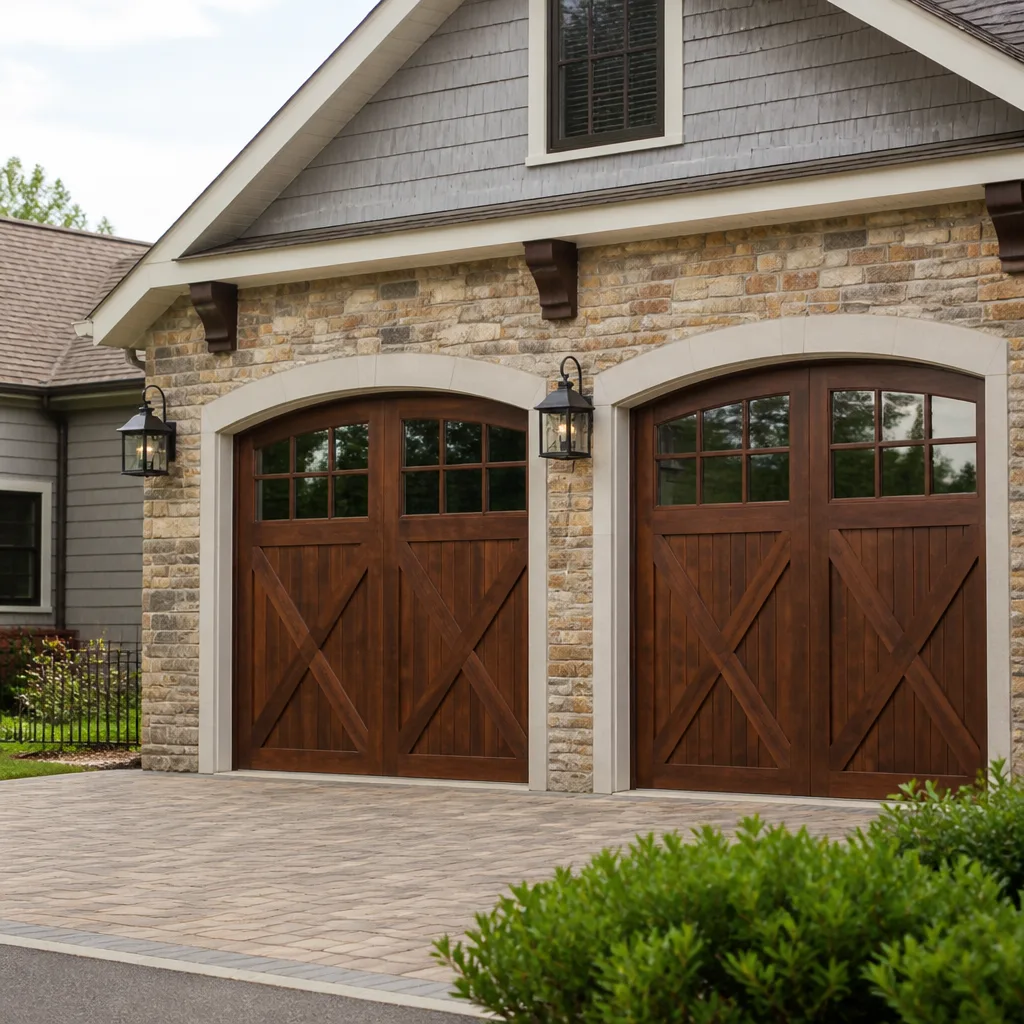 Carriage house
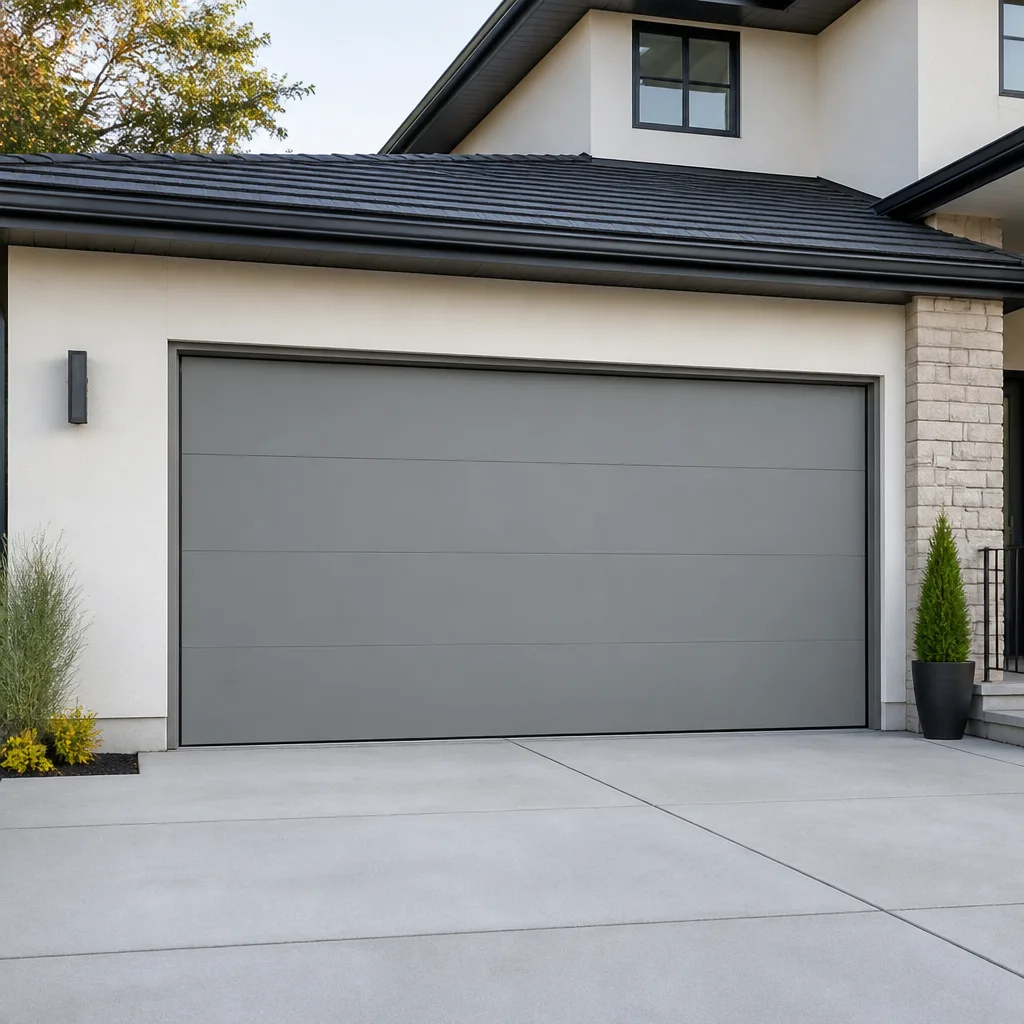 Modern flush
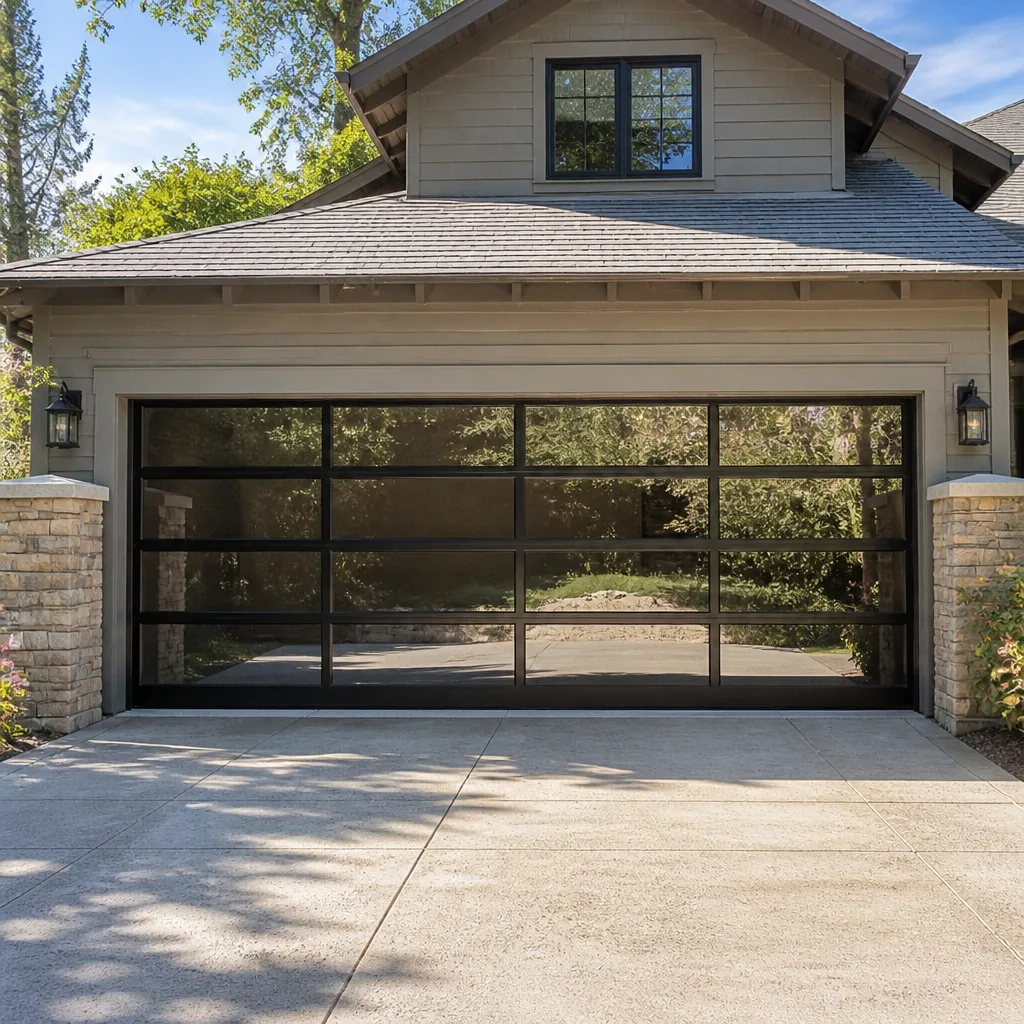 Full-view glass
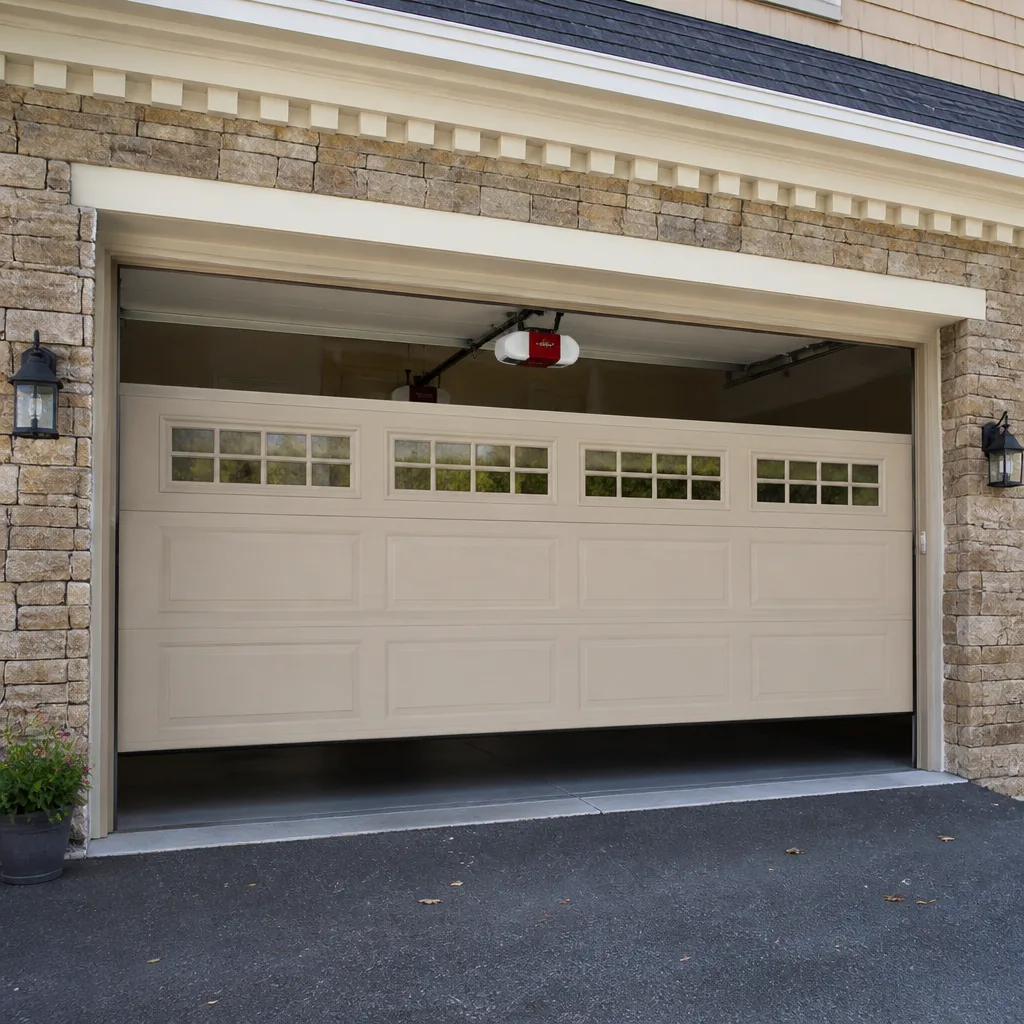 LiftMaster openers
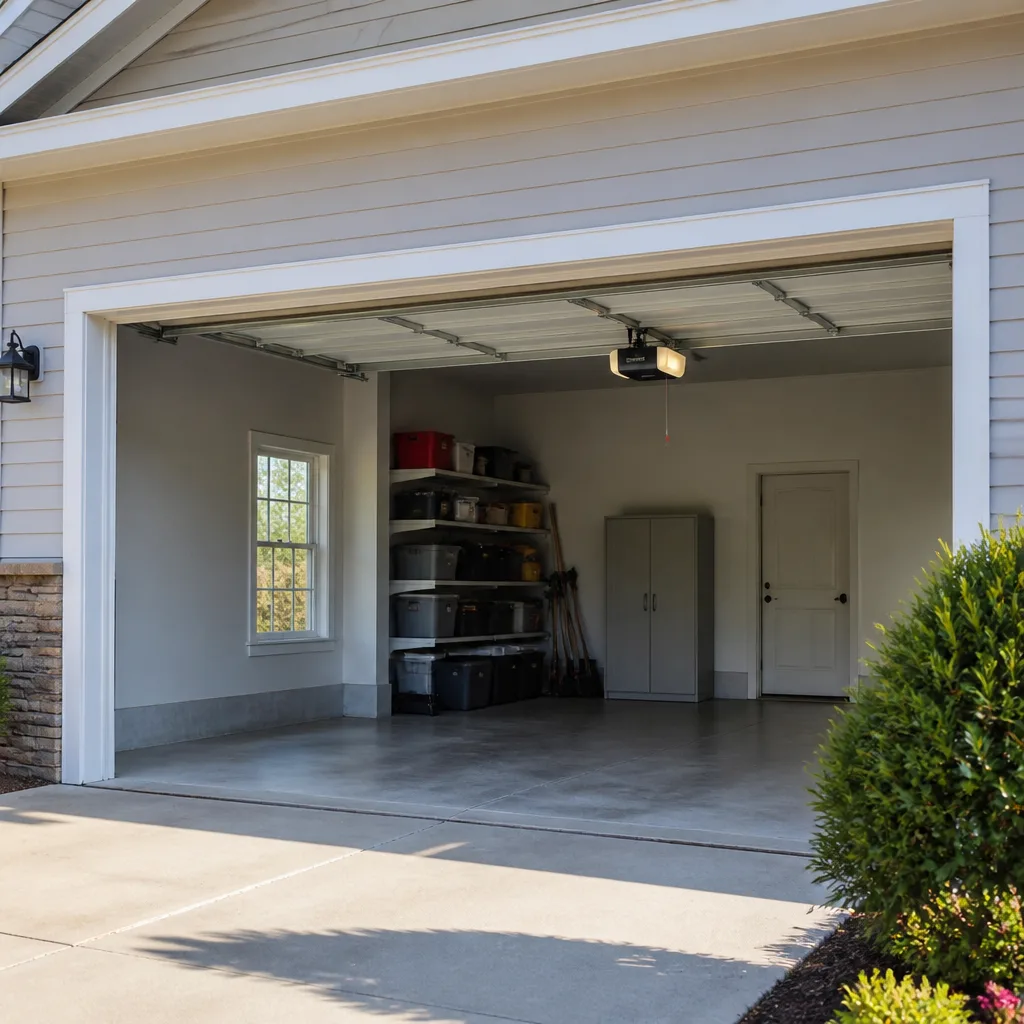 Chamberlain openers
Full 25-point door and opener safety check with every visit - springs, cables, rollers, tracks, and your LiftMaster or Chamberlain opener included
You get a price before we start. It does not change when the pro arrives.
Get your free estimateSeasonal Garage Door Care for Harvey Park: Year-Round Homeowner’s Guide
October is when Harvey Park garages start failing in January. Not because anything dramatic happens in October, but because that’s when the first freeze-thaw cycles settle in, and the wear that’s been quietly building since spring suddenly has a hard deadline. The bottom seal that’s been slowly drying out all summer cracks the first week temperatures drop below freezing. The rollers that needed lubrication in August start grinding when the grease thickens in the cold. By January, a door that needed fifteen minutes of attention in the fall has become a service call. Most of the emergency work we see in Harvey Park traces back to maintenance that was deferred, not to parts that failed without warning. This guide breaks the year into four distinct maintenance seasons, each tied to the specific climate condition that makes that season’s work matter.
Styles & brands we work with
- Raised-panel steel
- Carriage house
- Modern flush
- Full-view glass
- LiftMaster openers
- Chamberlain openers
Quick Answer
Year-round garage door care in Harvey Park comes down to four seasonal checkpoints: fall prep before the first hard freeze, winter monitoring for freeze-thaw stress on springs, spring attention to snowmelt moisture and seal damage, and summer protection of steel panels and weatherstripping from high-altitude UV. Handle each checkpoint when the season calls for it and most emergency calls never happen. The maintenance itself is simple – the timing is what most homeowners miss.
Table of Contents
- Why Harvey Park Garages Age Differently
- Fall Maintenance: Preparing for the First Hard Freeze
- Winter: How Temperature Swings Stress Your Springs
- Spring: Snowmelt, Moisture, and the Post-Winter Inspection
- Summer: UV Damage and High-Altitude Sun Exposure
- Month-by-Month Action Calendar for Harvey Park
- What You Can Check Yourself vs. What Needs a Technician
- Common Mistakes to Avoid
- When to Call a Professional
- Frequently Asked Questions
- The Bottom Line
Why Harvey Park Garages Age Differently
Harvey Park sits at roughly 5,300 feet in elevation, west of the South Platte and south of the city core. That location produces a climate pattern that’s hard on garage doors in ways that aren’t obvious from a weather forecast. Winter temperature swings here are wide and frequent – a 40°F afternoon followed by a 5°F overnight is an ordinary week, not an extreme event. That daily cycling matters more to a torsion spring than sustained cold does, and it’s the single most important thing to understand about maintaining a door in this neighborhood.
The elevation also means UV intensity runs higher than most homeowners expect. Steel panels and rubber weatherstripping on a Harvey Park door facing south or west take a heavier sun load than the same materials would at lower altitude. And the neighborhood’s housing stock – much of it built in the post-war decades with attached garages on slab foundations – means moisture from snowmelt has limited drainage and sits against the door’s bottom seal for longer than you’d want.
What all this adds up to is that garage door maintenance in Harvey Park isn’t a generic “winterize in November” routine. It’s four distinct checkpoints, each timed to the condition that makes it necessary. Miss the fall one and you’re likely calling for Garage Door Repair Harvey Park in January. Handle each one on schedule and the door usually runs quietly through the whole year.
Our technicians have up to 12 years of experience working on the equipment that’s actually in these garages – LiftMaster and Chamberlain openers, Clopay and Amarr doors, Wayne Dalton panels, Genie units, and the rest. The wear patterns we describe below are the ones we see most consistently in this neighborhood’s climate.
Fall Maintenance: Preparing for the First Hard Freeze
Fall prep in Harvey Park is about one thing: getting the door to a state where the first hard freeze doesn’t find a weakness. The first overnight freeze usually arrives in late October or early November, and whatever condition the door is in on that night is the condition it faces through winter. Three tasks matter most.
- Inspect and clean the bottom seal. The rubber or vinyl seal along the base of the door is the first line of defense against cold air, moisture, and pests. Run a hand along its length and look for cracks, flat spots, or sections that no longer contact the floor. A seal that’s already cracking in October will fail completely within weeks of the first freeze.
- Check spring tension and listen for the door. Open and close the door manually (disconnect the opener first, using the release cord) and listen. A properly balanced door should move with light effort and stay put when you let go halfway up. If it feels heavy, slams down, or makes a rhythmic clicking, the springs are telling you something. Spring inspection is a visual-and-audible check only at this stage – never attempt to adjust tension yourself.
- Lubricate with low-temperature grease. Standard multi-purpose lubricant thickens in cold weather and makes rollers drag. Use a low-temp grease on hinges, rollers, and the torsion spring coils, and a silicone-based spray on the tracks. This one task does more to prevent winter noise complaints than any other.
While you’re at it, check the door’s weatherstripping where the panels meet and around the frame. Any gap that lets air through in October will whistle in January. Also clear leaves and debris from the track channels and the area around the door’s base – debris that freezes into the track can jam the door on the coldest morning of the year.
Fall is also the right season to address anything that’s been a minor annoyance all summer. An opener that’s been working a little too hard, a remote that’s gotten finicky, a panel that’s picked up a small dent – these are all worth resolving before winter makes them worse. If you’re already noticing opener issues, garage door opener repair in the fall avoids a much less convenient call in the middle of a cold snap.
Winter: How Temperature Swings Stress Your Springs
Here’s the counterintuitive part about Colorado winters: it’s the warm days that wear your springs out faster, not the cold ones. A sustained 15°F week is actually easier on a torsion spring than a week of 40°F afternoons followed by 5°F nights, because the daily expansion and contraction of the steel wire adds up as fatigue over time. Every swing cycle is a small stress event on the spring’s metallurgy, and Harvey Park gets a lot of them between November and March.
What that means for homeowners is practical:
- A door that’s near the end of its spring life will usually fail during a temperature swing, not during the coldest night. If your door has been opening slightly harder than usual and the forecast shows a sharp front coming, that’s the week to schedule a look.
- Listen for a sharp bang from the garage. A torsion spring breaking makes a distinctive sound, and the door will feel extremely heavy when you try to lift it manually. If that happens, stop using the door and call a professional – do not attempt to operate it or remove anything.
- Keep the door’s tracks clear of snow and ice that blows in under the door or gets packed in at the base. Ice in the track can force the door off its rollers, and that repair is far more involved than the maintenance that would have prevented it.
- Run the door less in extreme cold when you don’t need to. Every cycle is wear; unnecessary cycles on a sub-zero morning add up over a winter.
One safety note that matters year-round but especially in winter: torsion springs and the cables that work with them are under extreme tension at all times. They are not a DIY repair. The stored energy in a wound spring can cause serious injury in an instant, and a winter failure is not the moment to experiment. If a spring breaks in January, that’s a call for a trained technician, not a hardware store run.
Winter is also when most homeowners notice door noise they’ve been putting up with. Cold-thickened lubricant makes an under-lubricated door sound worse than it is, but it’s a useful signal. A door that’s noticeably louder in February than it was in October is telling you the fall lubrication has worn off.
Spring: Snowmelt, Moisture, and the Post-Winter Inspection
The snow melts, the door looks fine, and most Harvey Park homeowners skip the spring inspection entirely. That’s the single most overlooked maintenance gap we see, because winter leaves damage that doesn’t announce itself until it becomes a bigger problem.
The primary issue is moisture. As snow piled against the garage melts, water works into the bottom seal and the gap between the door’s lowest panel and the frame. In Harvey Park’s housing stock, with attached garages on slab foundations and limited drainage around the apron, that water sits longer than it would in a newer subdivision with more slope. Over weeks of snowmelt, a bottom seal that looked acceptable in October can end up with a soft, degraded edge or a visible gap where it used to sit flush.
Your spring inspection should cover:
- Bottom seal condition. Look closely at the rubber’s texture. It should feel firm and springy. If it’s soft, crumbly, or peeling away from the door edge, it needs replacement. This is the most common post-winter failure in Harvey Park garages.
- Panel condition at the base. Check for rust, bubbling paint, or water staining on the lowest panel. Steel doors are typically galvanized and painted, but standing moisture at the bottom seam is where that protection breaks down first. Touch up any bare spots promptly.
- Track alignment. A door that’s been operated heavily through a winter of temperature swings may be slightly out of adjust. Open and close it and watch for any binding, scraping, or lateral movement.
- Rollers and hinges. Winter cold can crack plastic rollers that are aging. A cracked roller that fails quietly inside a hinge can put uneven stress on the door as it operates.
If the bottom seal has degraded and the door’s lowest panel has started to hold moisture, that’s worth addressing promptly – a compromised seal in spring is the same seal that will let in cold air and water the following winter. Replacement parts for the common brands in this neighborhood (Clopay, Amarr, Wayne Dalton, and others) are manageable when sourced correctly, but tracking them down is the part homeowners find tedious. That’s one reason we keep parts supply as an actual service rather than leaving customers to source components on their own.
Summer: UV Damage and High-Altitude Sun Exposure
Colorado’s high-altitude sun does more damage to garage doors than most homeowners expect. UV exposure at elevation is genuinely stronger, and it does two things to a garage door: it degrades the weatherstripping (rubber and vinyl both), and it stresses the paint and finish on steel panels, particularly on doors that face south or west and get direct afternoon sun.
Weatherstripping degradation is the more urgent summer issue. Rubber seals and the weatherstripping around the door frame don’t fail suddenly – they get brittle, then crack, then stop sealing. By the time you see visible cracking on the surface, the material underneath is often already compromised. Harvey Park summers are dry enough and sunny enough that weatherstripping facing direct sun can dry significantly in a single season.
Summer maintenance priorities:
- Check the weatherstripping’s flexibility by pressing a fingernail into it. It should recover; if the impression stays, the material is drying out.
- Wash and inspect steel panels, especially on south- and west-facing doors. Look for chalky or dull areas, which signal paint breakdown, and touch up any chips or scratches before they turn into rust.
- Lubricate again in early summer – it’s been months since the fall application, and dry summer heat works against the grease.
- Test the opener’s safety reverse feature. The door should reverse automatically when it meets an obstruction. It’s a simple check (a piece of 2×4 under the closing door is the standard test) and it’s worth doing in summer when you’re not rushed.
- Listen for new noise. A door that’s been quiet all spring and suddenly starts groaning in July is usually a lubrication issue or a worn roller.
Summer is also the season homeowners decide to look at replacements. If the door is showing UV damage on multiple panels, or if the door is old enough that repairing it every season is becoming a routine, a full replacement is worth pricing. We handle garage door installation and can talk through what door style and material holds up best to Harvey Park’s sun and elevation. Installation is a measured, ordered, and scheduled project rather than an emergency service – a free measure and a written price are the right first step.
Month-by-Month Action Calendar for Harvey Park
This calendar is built around Harvey Park’s actual frost dates and weather patterns. The first hard freeze typically arrives in late October or early November, and the last frost usually falls in late April or early May. Adjust a week or two based on the year, but the sequence stays the same.
October
- Lubricate with low-temperature grease: hinges, rollers, torsion spring coils.
- Inspect the bottom seal for cracks and contact with the floor.
- Clear debris from tracks and the area around the door’s base.
- Balance-check the door manually with the opener disconnected.
November
- Final pre-freeze check on weatherstripping around the frame.
- Test the opener’s force and travel settings.
- Address any minor issues now that will only be harder in cold weather.
- Note any springs that seem to be laboring and schedule an inspection.
December through February
- Monitor for unusual noise, especially after temperature swings.
- Keep snow and ice clear of the track and door base.
- Watch for a bang that signals a spring break – stop using the door immediately if you hear it.
- Run the door only when needed in extreme cold.
March
- Clear snowmelt away from the door’s base as it accumulates.
- Inspect the bottom seal for moisture-related degradation.
- Check the lowest panel for rust, bubbling, or water staining.
April
- Full post-winter inspection: seal, panels, rollers, bearings, tracks.
- Lubricate again after the winter cycle.
- Test the opener’s safety reverse function.
- Replace any parts showing winter wear – cracked rollers, degraded seals.
May through June
- Inspect weatherstripping for UV drying and cracking.
- Touch up any paint chips before they rust.
- Wash panels, especially on south- and west-facing doors.
- Add a light lubrication pass heading into summer heat.
July through September
- Monitor weatherstripping flexibility – the high-altitude UV does its heaviest work now.
- Listen for new noises and address them before fall prep.
- Plan any replacement or major repair before the fall rush.
- Fall prep starts again in October.
What You Can Check Yourself vs. What Needs a Technician
One useful framing: inspections are DIY; adjustments and repairs on the high-tension components are not. The line between the two matters for safety, and it’s worth being honest with yourself about which side of it you’re on.
Safe to check yourself
- Bottom seal condition – visual and tactile check.
- Weatherstripping flexibility – visual and a press test.
- Panel condition – visible rust, chips, or water staining.
- Door balance – manual lift with the opener disconnected.
- Opener safety reverse – the 2×4 obstruction test.
- Listening for unusual sounds during normal operation.
- Lubrication of hinges and rollers with the correct product.
Needs a technician
- Torsion spring adjustment or replacement – these are under extreme tension and are the most common source of serious injury in garage door DIY.
- Cable replacement – also under tension, and a broken cable is often a sign the spring is failing.
- Panel replacement or track realignment – these require the door to be properly supported and rebalanced.
- Any opener issue involving wiring, force adjustment, or travel limits.
- Any situation where the door won’t open or close and you’re not sure why.
The spring repair point deserves emphasis. A torsion spring stores enough energy to cause serious injury in an instant, and the failure mode when a spring is handled incorrectly is immediate and severe. If a spring is broken or the door feels like it’s fighting you, get a trained technician. Same for any cable damage. Those are not “wait and see” repairs. When you’re ready for garage door repair on the mechanical side, we handle spring and cable work as a core service – and we’d rather check it than hear that a homeowner tried it themselves.
Common Mistakes to Avoid
- Using standard grease in winter. Multi-purpose lubricant thickens in cold weather and drags on rollers. Harvey Park’s freeze-thaw swings punish doors that have been greased with the wrong product – use low-temp grease and silicone spray instead.
- Skipping the spring inspection because the door “seems fine.” Springs don’t visibly warn you before they fail. A balance check in October takes thirty seconds and is the single best predictor of whether the door survives winter.
- Ignoring the bottom seal through winter. The most overlooked failure in this neighborhood is a cracked seal letting in cold air and moisture, then snowmelt saturating the lowest panel. By the time it’s obvious, the repair is larger.
- Assuming the door is safe to use after a spring break. If you hear a bang and the door feels extremely heavy, stop. Using a door with a broken spring can cause a cable to fail and the door to come down unexpectedly.
- Spraying the tracks with lubricant. Tracks should be clean and dry; lubricant on the tracks attracts dirt and causes rollers to skip. Grease goes on hinges, rollers, and the spring, not the tracks.
- Overlooking UV weatherstripping damage in summer. Colorado’s high-altitude sun dries weatherstripping faster than lower-altitude climates. Check flexibility in June, not just in fall.
- DIY on springs and cables. This is the mistake that causes real injuries. Inspections are fine; adjustments on the high-tension components are not a homeowner project.
When to Call a Professional
Some situations call for a technician straight away, no further inspection needed:
- You hear a bang from the garage and the door suddenly feels extremely heavy.
- The door won’t close fully, or reverses partway down without obstruction.
- A visible cable is frayed, slack, or hanging loose.
- The bottom seal has separated from the door and is hanging free.
- The opener runs but the door doesn’t move, or the door moves unevenly.
- A panel is bent, cracked, or has pulled loose from its hinge.
- The door is visibly sagging or out of alignment with the frame.
For anything on that list, a professional assessment is the right call. Garage Door Repair Harvey Park offers free estimates in Harvey Park – call (833) 319-0790. We answer 24/7. Fast dispatch from 7am to 7pm, Sunday through Friday. Whether it’s a spring failure, a panel repair, or a year-round maintenance question, we’ll quote the work and agree the price with you before anything starts.
Frequently Asked Questions
Twice a year is the right cadence for this climate: once in October before the first hard freeze, and once in April after snowmelt. Those two checkpoints cover the seasonal conditions that cause most failures here – fall prep prevents winter freeze-thaw damage, and spring inspection catches snowmelt moisture before it becomes a larger repair. Call (833) 319-0790 if you’d like to schedule a service visit; estimates are free.
Yes, but not in the way most homeowners assume. It’s not the cold itself – it’s the wide temperature swings. A daily 40°F afternoon followed by a 5°F overnight is a normal week here in winter, and that daily expansion and contraction adds up as fatigue on the torsion spring. Doors in this neighborhood typically see more cycle stress than doors in climates with more stable winter temperatures.
Spring inspection of the bottom seal. Snowmelt pools against the door’s base in Harvey Park’s housing stock, and a bottom seal that was fine in October can end up soft and degraded after a winter of moisture sitting against it. It’s an easy check and an inexpensive replacement, but it’s the one most homeowners skip entirely.
You can safely do inspections and lubrication yourself. That covers seal checks, weatherstripping flexibility, panel inspection, door balance testing, the opener safety reverse test, and lubricating hinges and rollers. Anything involving the torsion spring, cables, panel replacement, or opener wiring should go to a trained technician – those are the high-risk repairs. Call (833) 319-0790 if you’re not sure which category a problem falls into; a free estimate will clarify it.
There’s no hard temperature threshold, but it’s sensible to minimize unnecessary cycles during sub-zero stretches. The door will operate fine in cold weather; the issue is that every cycle adds wear to the springs, and avoiding non-essential cycles on very cold mornings is a reasonable habit. If the door feels noticeably stiffer than usual in cold weather, that’s worth an inspection rather than a workaround.
No – the written estimate you’re given before work begins is the price. We agree the price in advance, and the quote covers the diagnosed work. If the technician finds something different during the repair, you’ll hear about it before anything else is done. For an exact quote, call (833) 319-0790; estimates are free.
The Bottom Line
Seasonal garage door care in Harvey Park comes down to four checkpoints, each tied to the climate condition that makes it necessary: fall prep before the first hard freeze, winter monitoring through the temperature swings, spring cleanup after the snowmelt, and summer protection from high-altitude UV. The tasks themselves are modest, most of them are safe for homeowners, and none of them take more than twenty minutes. What matters is the calendar. November prep followed by April inspection prevents the majority of the emergency service calls we’d otherwise get in January, and it keeps your door running quietly through the cycles that Harvey Park’s climate sends its way. For the high-tension components – springs, cables, tracks – always bring in a trained technician. The maintenance is yours; the dangerous adjustments aren’t.
If a seasonal check turns up something that needs attention, or if you’d like a professional once-over before winter settles in, call Garage Door Repair Harvey Park at (833) 319-0790 for a free estimate. We answer 24/7. Fast dispatch from 7am to 7pm, Sunday through Friday.
Written by the team at Garage Door Repair Harvey Park.
See the difference
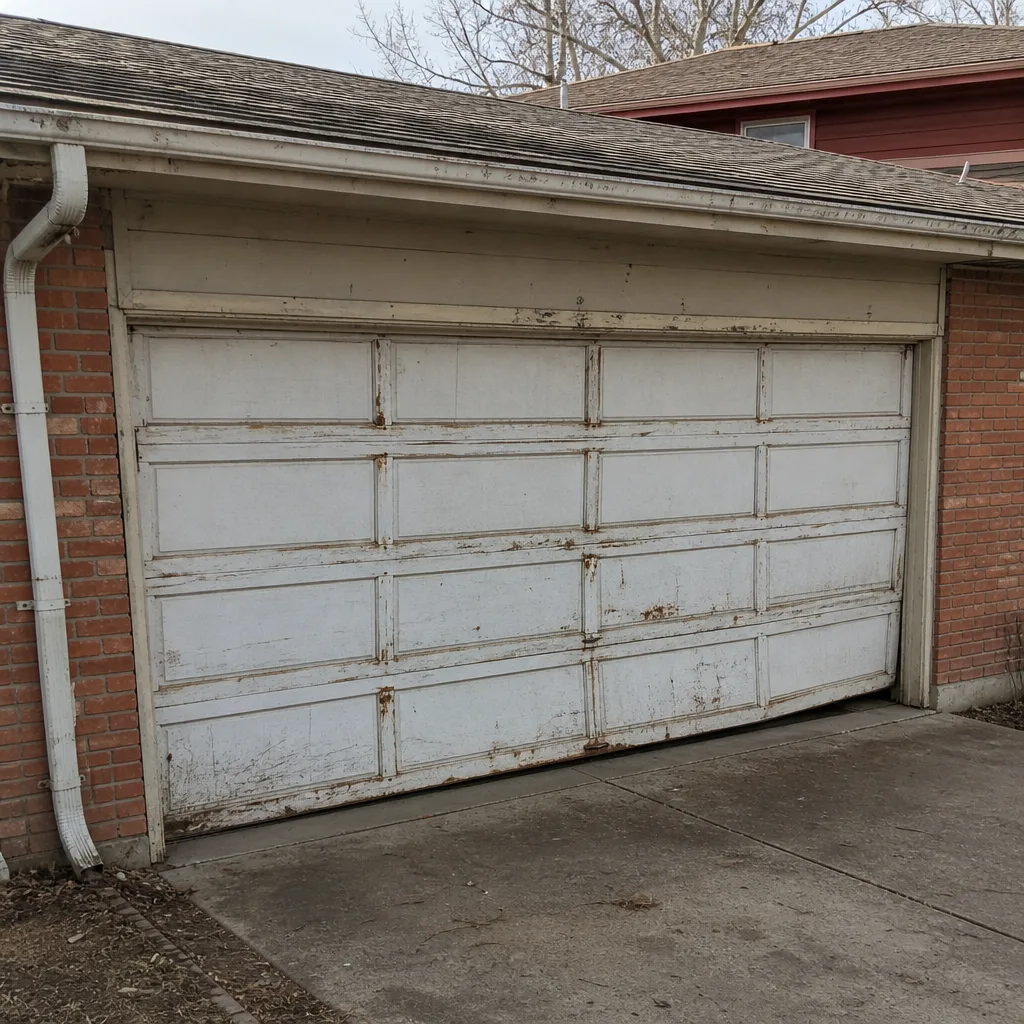 Before
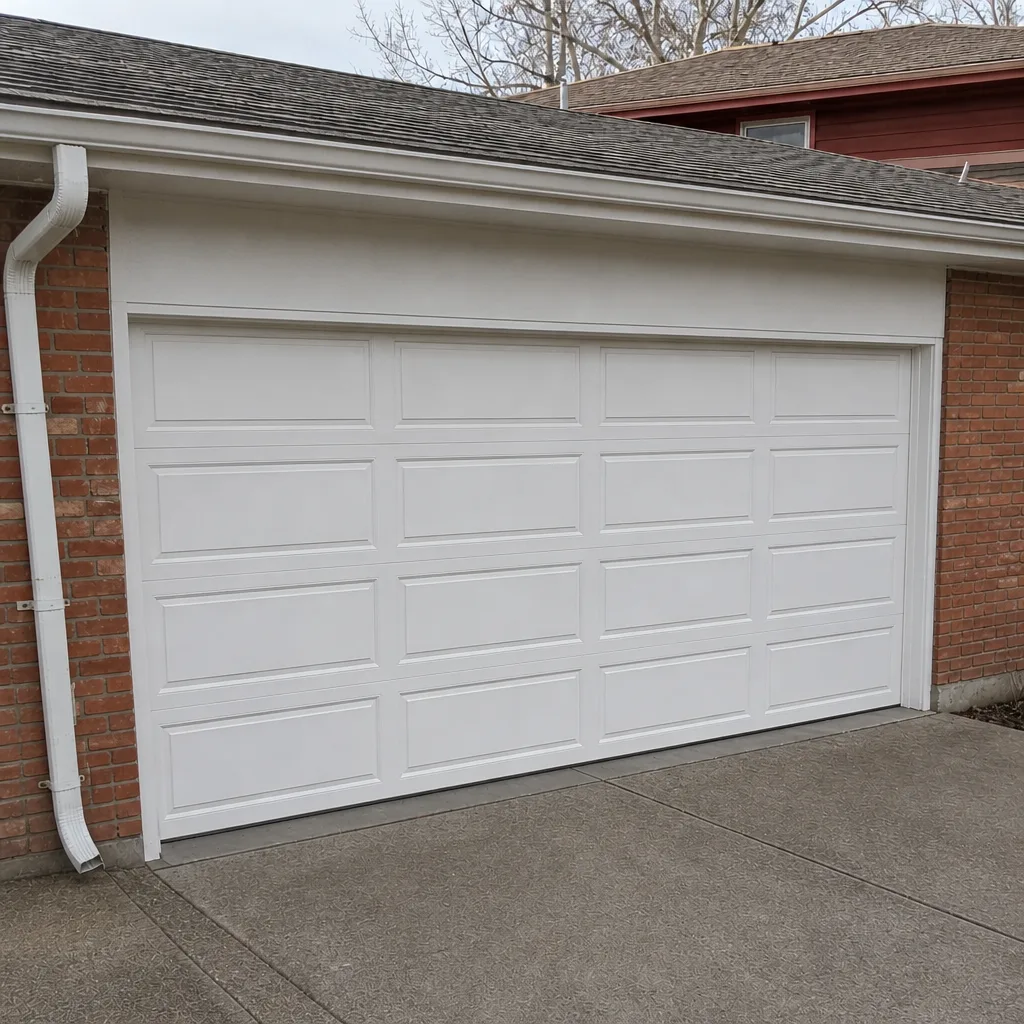 After
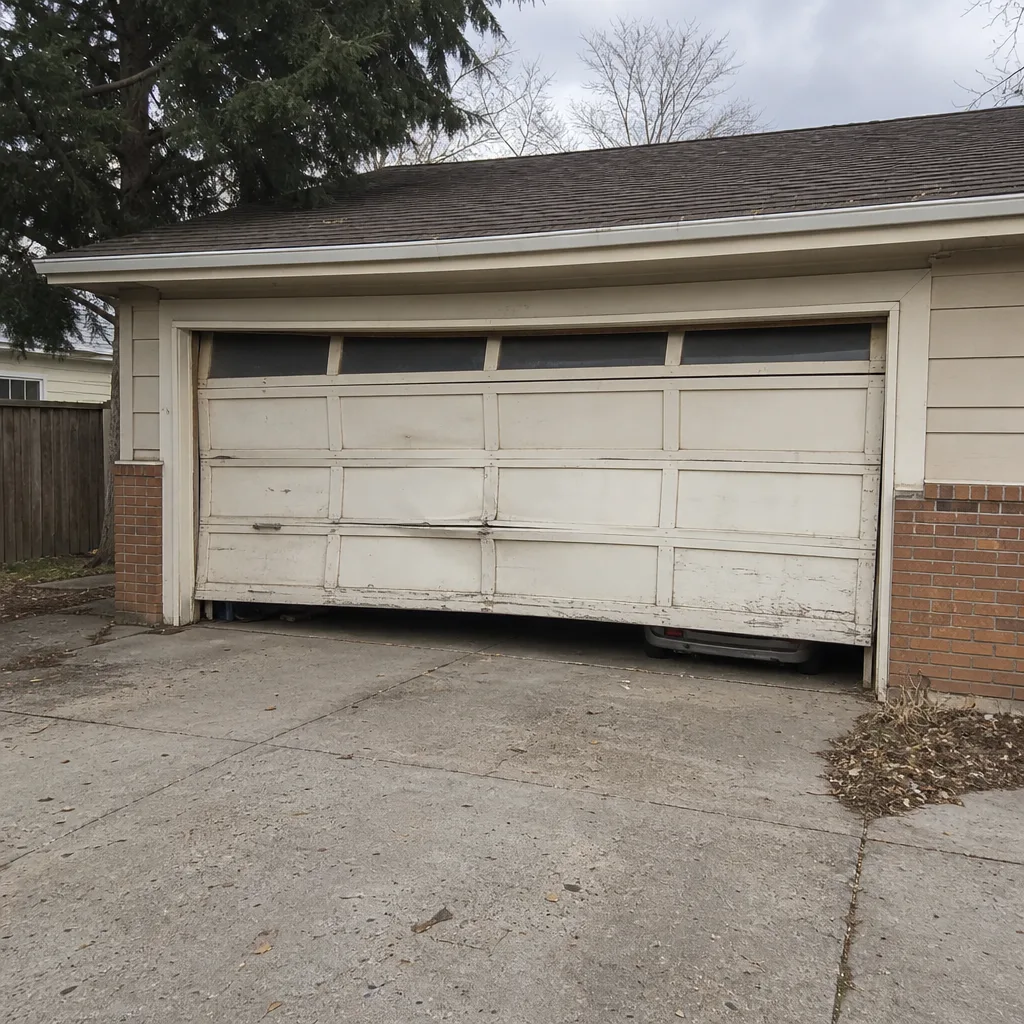 Before
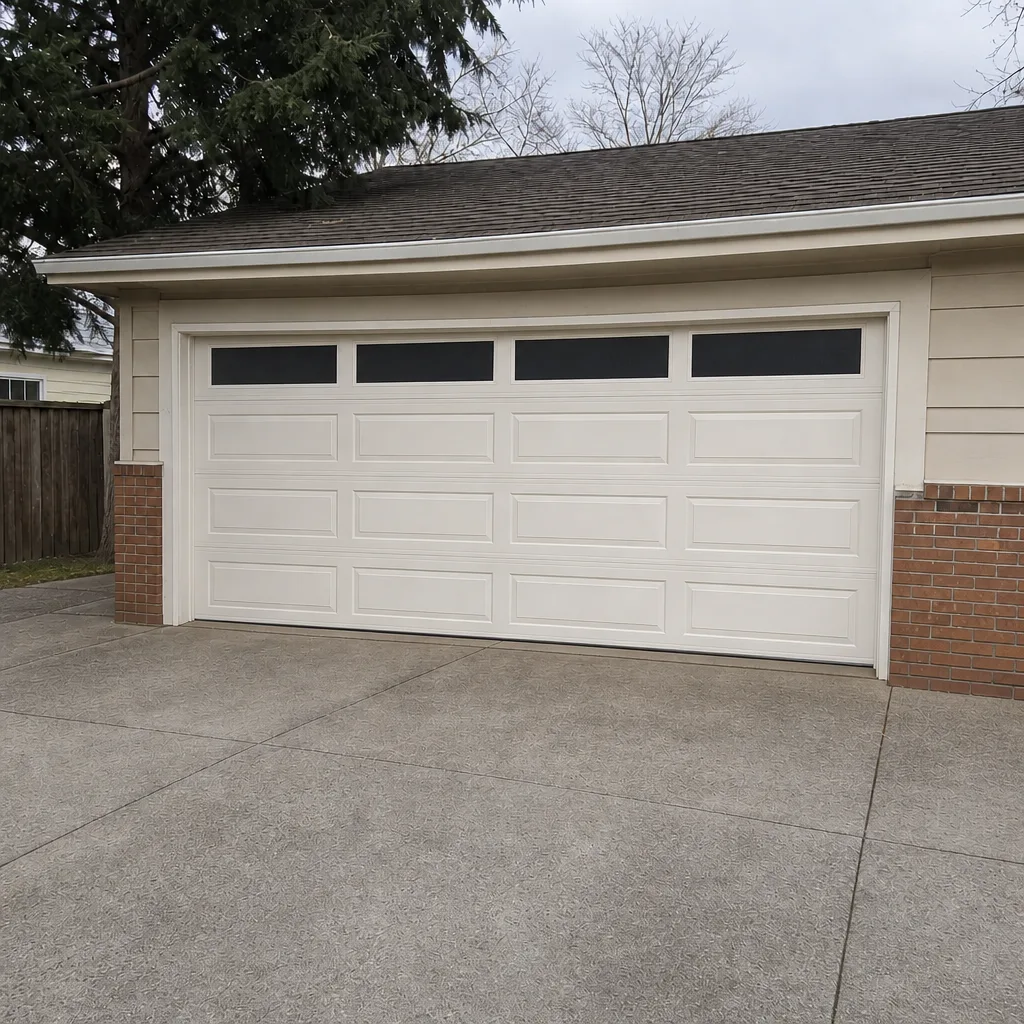 After
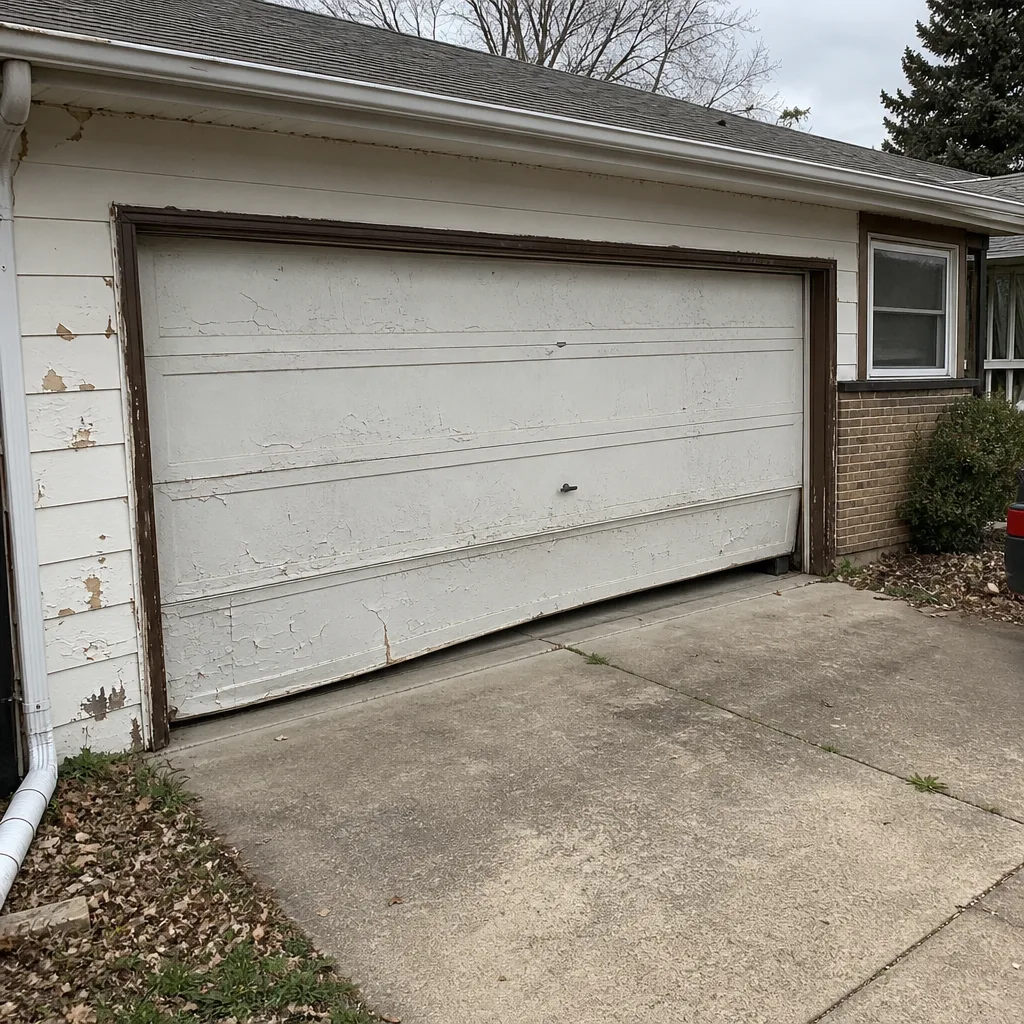 Before
 After