
Last updated November 22, 2026
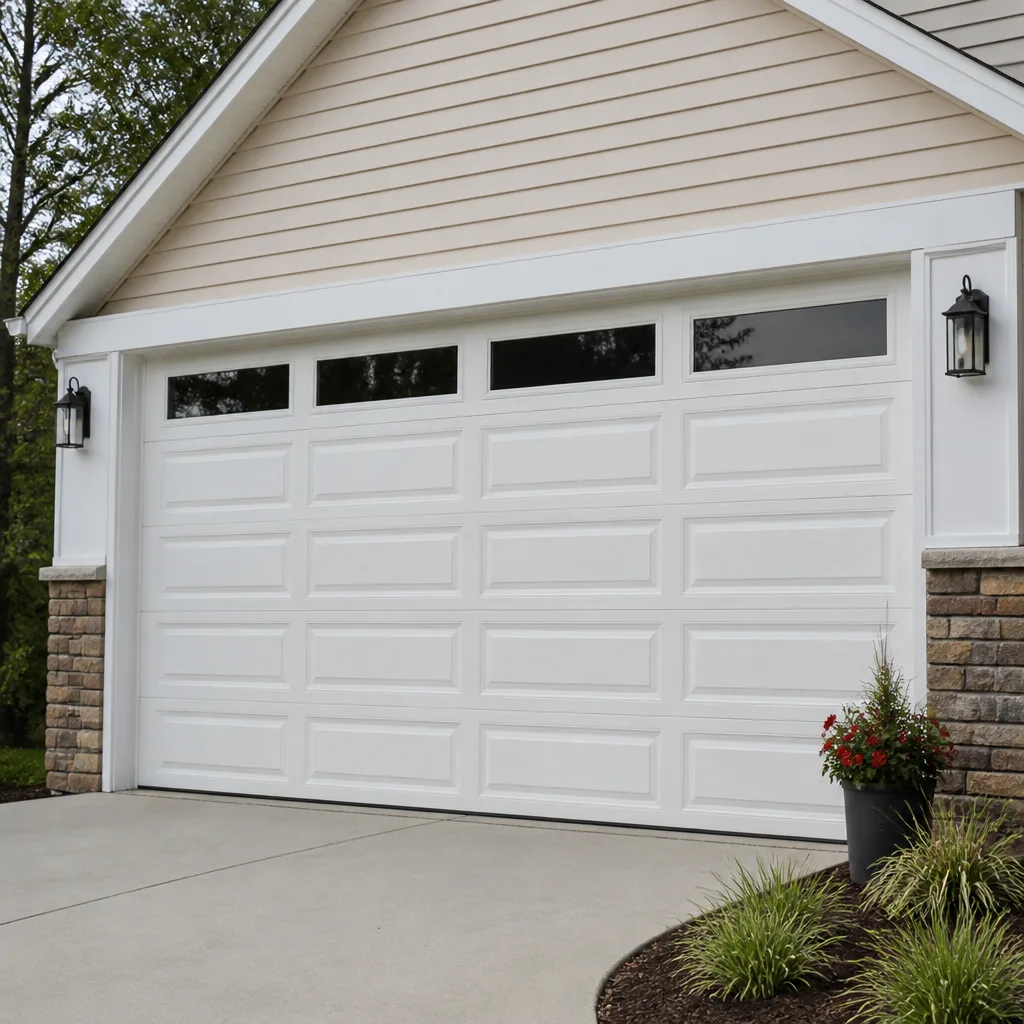 Raised-panel steel
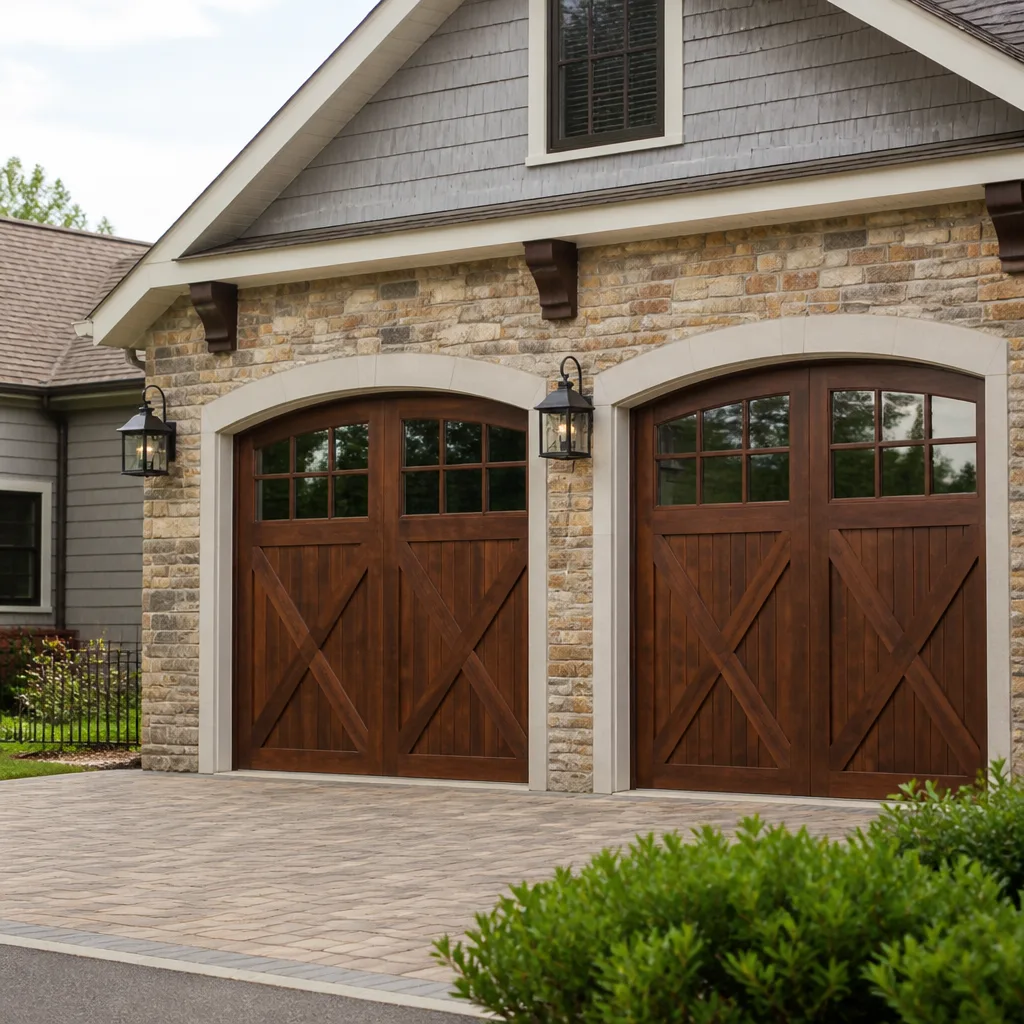 Carriage house
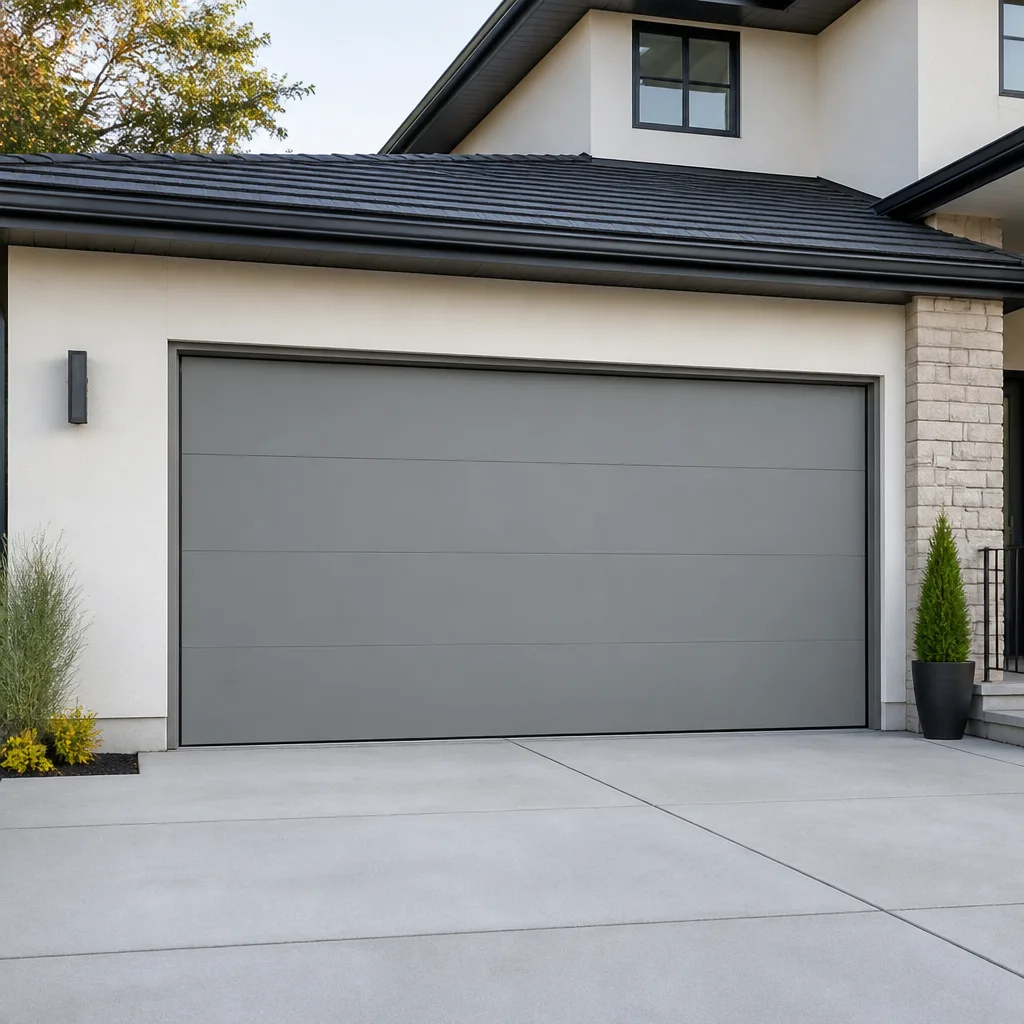 Modern flush
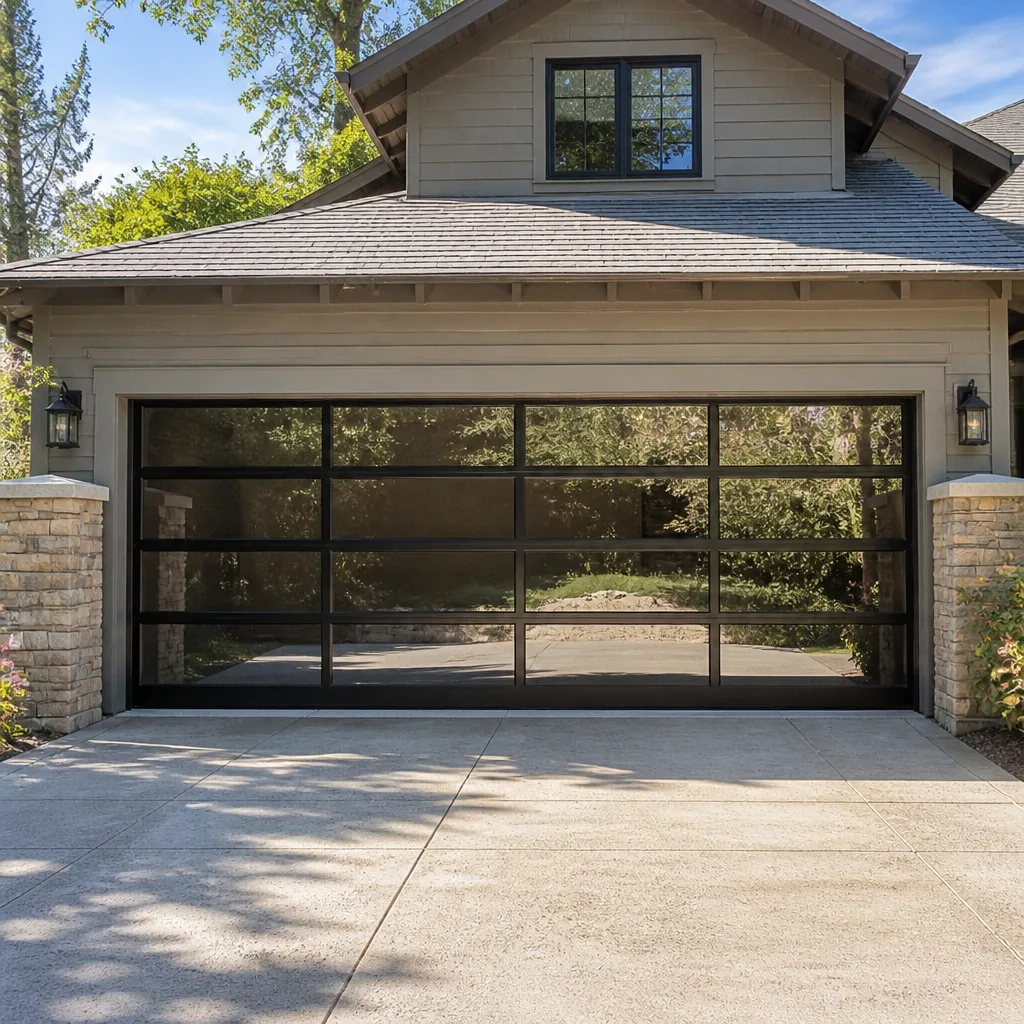 Full-view glass
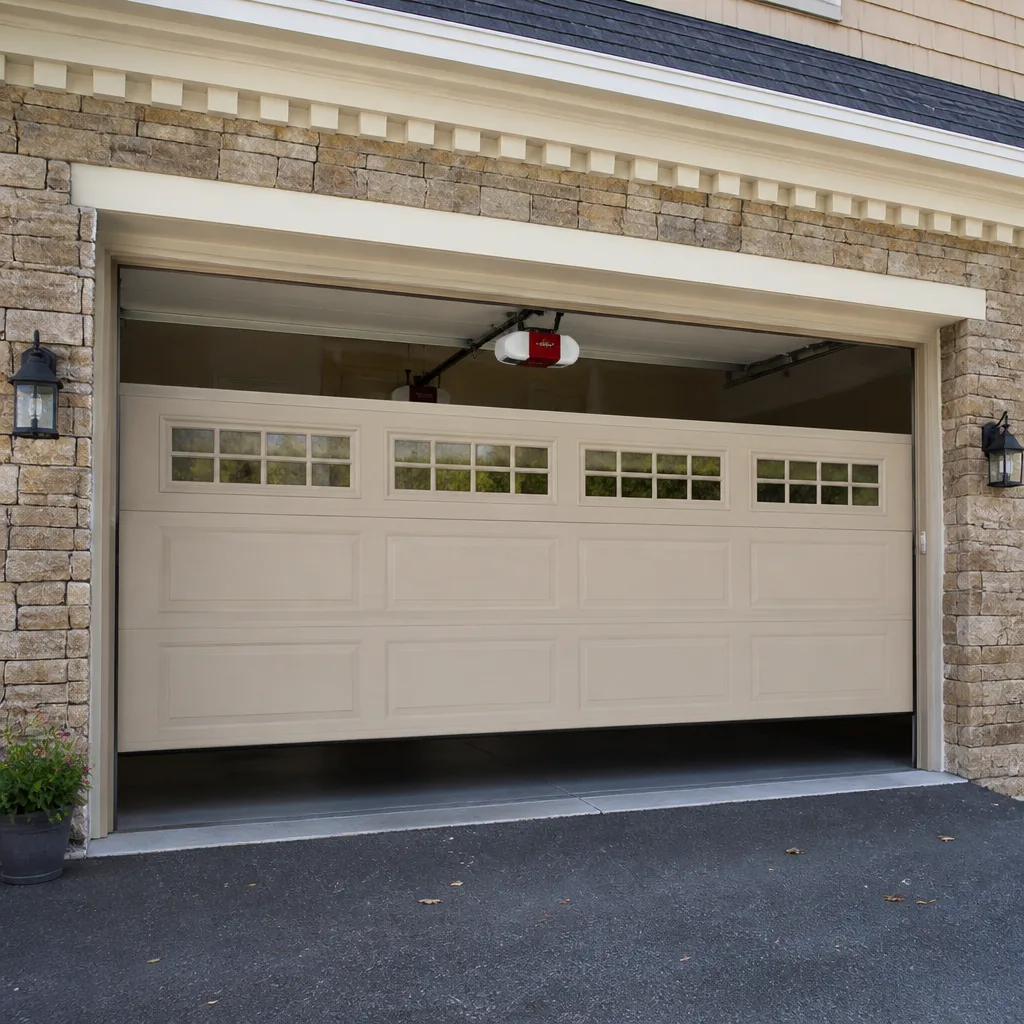 LiftMaster openers
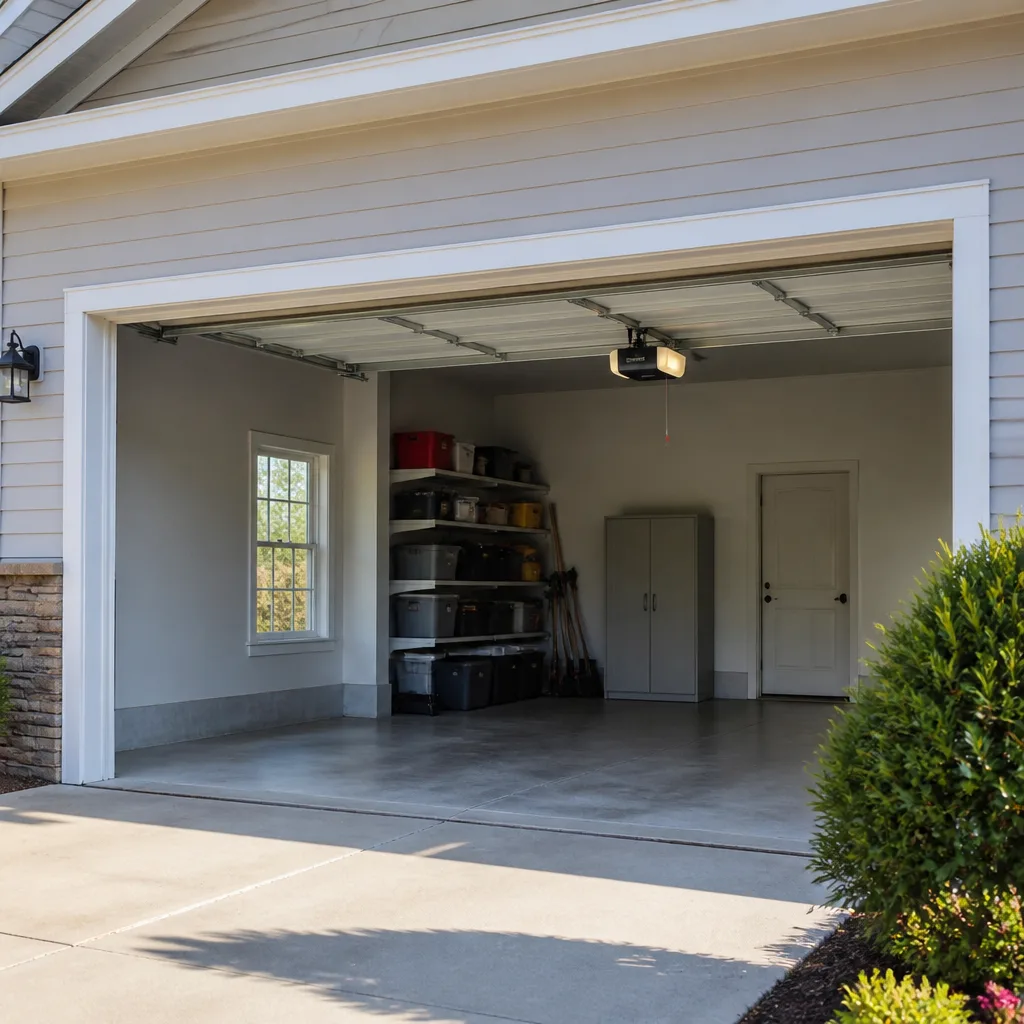 Chamberlain openers
Full 25-point door and opener safety check with every visit - springs, cables, rollers, tracks, and your LiftMaster or Chamberlain opener included
You get a price before we start. It does not change when the pro arrives.
Get your free estimateGarage Door Warning Signs: A Harvey Park Homeowner’s Reference Guide
A garage door that hesitates for two seconds before it opens isn’t being slow. It’s telling you the spring tension is off and the opener is compensating by pulling harder than it should. That pattern usually shows up weeks before a spring fails, not months. Most homeowners hear the grinding, the popping, the little shudder at the top of the travel, and file it under “normal door noise” or “it’s just getting old.” Then one morning the door won’t budge, or worse, it comes down crooked on one side. This guide translates the sounds, movements, and visible wear you’re hearing and seeing into what’s actually happening mechanically inside the door. By the end you’ll know which symptoms mean “schedule this soon” and which mean “stop using the door right now.” You’ll also know how to describe what you’re hearing to a technician so the diagnosis starts before anyone arrives at your Harvey Park home.
Quick Answer
Garage door warning signs fall into two categories: symptoms you should watch and schedule service for, and symptoms that mean you should stop operating the door immediately. Grinding, squealing, and rattling usually point to worn rollers, dry hinges, or a failing bearing, and they’re safe to monitor for a short window. Loud popping, a door that hangs crooked, a snapped or visibly stretched spring, or a cable that’s come off its drum are stop-now signals because the door’s weight is no longer safely controlled. If you see a broken spring or a dangling cable, don’t run the opener, don’t try to lift the door by hand, and call for professional spring repair.
Styles & brands we work with
- Raised-panel steel
- Carriage house
- Modern flush
- Full-view glass
- LiftMaster openers
- Chamberlain openers
Table of Contents
- What the Sounds Are Telling You: A Sound-to-Problem Translation
- Movement Symptoms: Crooked Travel, Jerking, and Uneven Gaps
- Visual Warning Signs on Springs, Cables, and Rollers
- Schedule-Soon vs. Stop-Now: Sorting the Signals
- When the Sign Is in the Opener, Not the Door
- How to Describe Symptoms Accurately on the Phone
- Why Harvey Park Doors Age the Way They Do
- Common Mistakes to Avoid
What the Sounds Are Telling You: A Sound-to-Problem Translation
A healthy door makes a low, even hum from the opener and a soft roll from the rollers. Anything sharper than that is a component asking for attention. The trick is matching the sound to the mechanism, because each noise comes from a different part of the system and gets fixed a different way.
Grinding. Grinding is metal-on-metal contact, and it almost always comes from the rollers or the hinges rather than the motor. A roller with a worn or seized bearing stops rolling and starts scraping along the track. On older steel tracks you’ll hear it as a rough, continuous growl through the whole travel. Left alone, grinding accelerates track wear and puts extra load on the opener.
Popping. This one needs a fast answer. A single loud pop from the center of the door, followed by the door feeling strangely light or refusing to rise, usually means a torsion spring has snapped. A repetitive popping or banging during travel can also come from a cable jumping its drum. Either way, the door’s counterbalance is compromised. Stop using it.
Squealing. High-pitched squealing is friction, not failure. Dry hinges, dry rollers, and a dry torsion bar are the usual suspects. It’s the most benign sound on this list, but it’s a useful early signal that lubrication and hardware checks are overdue.
Banging or rattling. A door that bangs at the top and bottom of travel is either hitting its travel limits too hard, or has loose hardware. Rattling that appears suddenly can mean a bracket has worked loose from the jamb or a hinge screw has backed out. Loose brackets are worth tightening or replacing promptly, because they let the door shift out of alignment.
Humming with no movement. If the opener hums and the door doesn’t move at all, the motor is running but the drive isn’t engaged. That can be a stripped gear, a broken drive belt, or a disengaged trolley. It’s an opener problem, not a door problem, and it’s one we sort out often during garage door opener repair.
Movement Symptoms: Crooked Travel, Jerking, and Uneven Gaps
Watch the door, not just the wall button. A door’s path tells you whether the tracks, cables, and springs are still working as a balanced system. Here’s what each movement symptom points to.
Crooked travel. A door that rises higher on one side than the other means the two sides are no longer lifting with equal force. Common causes are a stretched or broken spring on one side of a two-spring setup, a cable that’s come off its drum, or a bent track. A crooked door also strains the opener, which is why an opener that’s “suddenly weak” often turns out to be a door-side problem.
Jerking and stuttering. A door that lurches upward in stages is fighting something. Worn rollers, a track with a dent or a tight spot, or a torsion spring that’s lost tension can each cause it. If the jerking started gradually, rollers and lubrication are likely. If it started suddenly, suspect a spring or cable.
Slow reversal or failure to reverse. The safety reverse test is the one check every homeowner should run monthly. Put a piece of wood or a roll of paper towels on the floor in the door’s path and close the door. A door working correctly reverses on contact. A door that presses down and keeps going, or reverses late, has a sensor or opener problem that needs immediate attention because it’s a safety issue.
Uneven gap at the floor. A visibly uneven gap between the bottom seal and the concrete is an alignment signal. It can come from a bent bottom panel, a twisted track, or a door that’s been hit and shifted. Sealing matters more here than people realize: Harvey Park’s spring wind and dust work their way under a poorly sealed door, and the gap also lets heat and cold move freely against the wall the door serves.
Any of these can usually be diagnosed by working from the door back to the opener, checking balance, track alignment, and cable tension in that order. That full-system habit is what separates a specialist’s visit from a patch job.
Visual Warning Signs on Springs, Cables, and Rollers
You don’t need to touch anything to do this inspection. Standing safely back with a flashlight, look at the hardware rather than the door skin. These are the visual signals worth knowing.
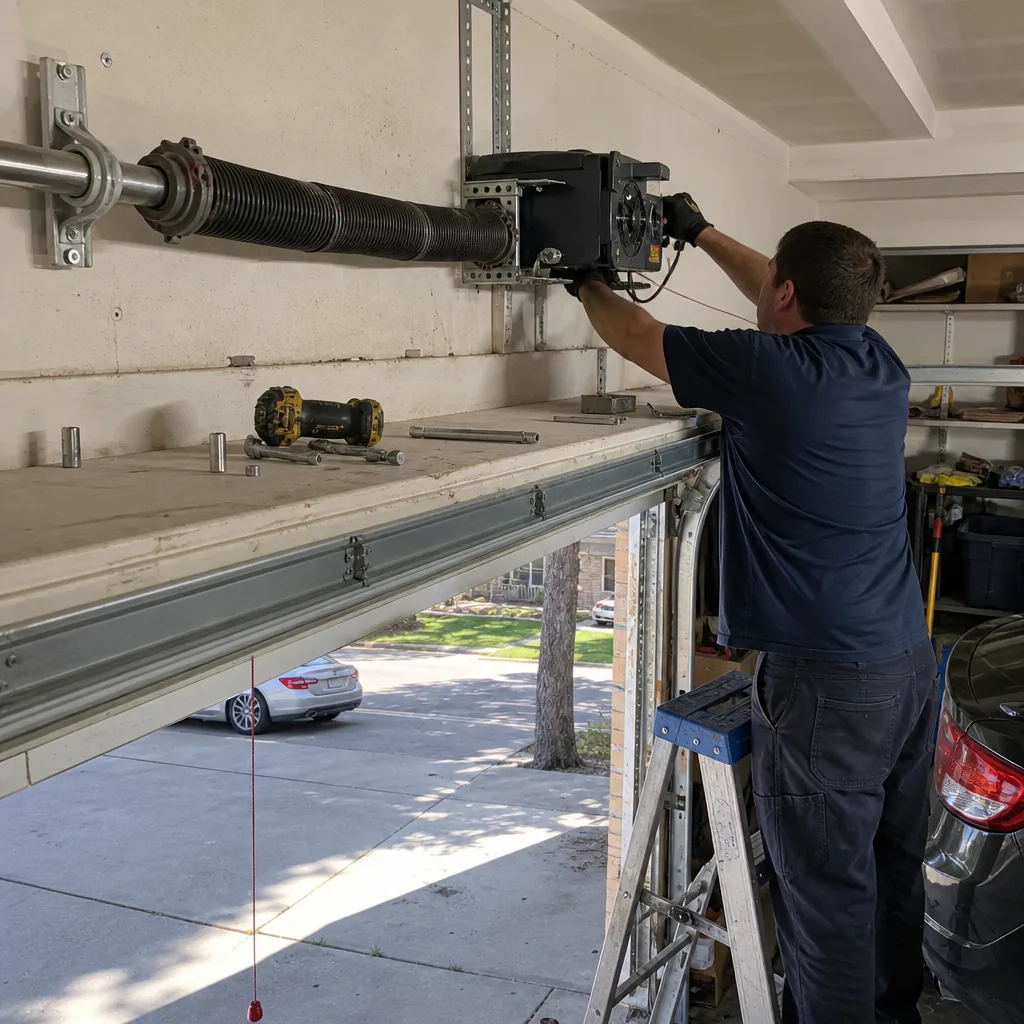
- Spring gap. On a torsion spring above the door, look for a clean vertical gap anywhere along its length. A spring with a gap has broken. On extension springs along the sides, the spring coils should be tight and continuous.
- Stretched springs. A spring that looks longer than its neighbor on a two-spring setup, or one that hangs noticeably looser, has lost tension.
- Cable condition. Cables should run straight and taut from the drum to the bottom bracket. A cable that’s slack, frayed, kinked, or off its drum is a stop-now condition.
- Roller wear. Rollers should be round and turn freely. Look for flat spots, cracks in the nylon, or steel rollers with visible scoring. A roller that no longer turns is dragging the door.
- Track alignment. Stand at the door and sight along each track. A healthy track is straight. Dents, kinks, or a visible bow mean the rollers can’t travel cleanly.
- Hinge and bracket looseness. Look for rust trails, gaps at the screws, or a hinge sitting slightly proud of the panel. Loose hardware shifts under load.
- Panel separation. Check the joints between sections. A visible seam or a panel that’s cracked at a hinge point means the door has taken a hit or flexed beyond its limit.
If a spring or cable is involved, this is where we tell every homeowner the same thing: those two components hold the door’s full weight under high tension, and adjusting or replacing them without the right tools and training is one of the most dangerous repairs you can attempt at home. A wound torsion spring carries enough stored energy to cause serious injury. Leave spring and cable work to a trained technician. For everything else on this list, a visual check is safe and worthwhile, and it’s a useful thing to describe when you call.
Schedule-Soon vs. Stop-Now: Sorting the Signals
This is the section to bookmark. Not every warning sign means the same thing, and treating a squeal the same as a snapped spring wastes money, while treating a snapped spring like a squeal is genuinely dangerous.
Stop Now: Signs That Mean Don’t Operate the Door
- A loud pop followed by a door that feels light or won’t lift. The counterbalance has failed.
- A visible gap in a torsion spring. The spring is broken.
- A snapped, slack, or off-drum cable. The door can come down uncontrolled.
- A door that hangs visibly crooked. One side is unsupported.
- A door that falls or slams instead of lowering smoothly. The spring tension is gone.
- The door failing the safety reverse test. It can injure someone underneath it.
On any of these, unplug the opener if you can reach the cord safely, keep people and vehicles clear, and call for help. Don’t pull the manual release and don’t try to lift the door by hand.
Schedule Soon: Signs That Allow a Little Time
- Squealing or squeaking during travel. Lubrication and hardware wear.
- Grinding that started recently. Roller or bearing wear.
- Intermittent jerking. Worn rollers or a tight spot in the track.
- Rattling or loose hardware. Loose hinges, brackets, or screws.
- A slowly widening floor gap. Alignment drift worth correcting before it strains the opener.
- A remote or keypad that works only from up close. Usually a sensor or opener-side issue.
“Schedule soon” means days, not months. A grinding roller that’s ignored wears the track, and a worn track is a bigger repair than four new rollers. Our technicians have up to 12 years of experience reading exactly this kind of progression, and the earlier a symptom is caught in Harvey Park, the simpler the fix tends to be.
When the Sign Is in the Opener, Not the Door
Half the calls we get about a “broken door” turn out to be an opener problem, and the reverse happens just as often: a struggling door that burns out its opener. Knowing which side of the system you’re dealing with saves time.
The opener is the usual culprit when the door itself moves freely by hand but the motor won’t drive it, when the wall button works but the remote doesn’t, when the lights flash and nothing happens, or when the door reverses for no obvious reason. Those point to logic board faults, worn gears, misaligned safety sensors, or remote pairing problems. We work on the brands already in your garage, which matters here: a LiftMaster logic board, a Chamberlain safety sensor, and a Genie drive gear each have their own familiar failure patterns. If you’ve got a smart opener that’s dropped its app connection, that’s the same visit.
The door is the usual culprit when the opener hums and strains but the door drags, when the door is heavy to lift by hand (carefully, and only on a door that’s still balanced), or when the door travels crooked regardless of what the opener does. In those cases the opener is fine and the door hardware is the problem. Servicing the opener without correcting the door just burns out the next opener.
That’s why we diagnose the whole door before touching either side. A door with a Clopay or Amarr panel set and a Chamberlain opener is one system, and the failure usually starts on one side and shows up on the other. Fixing the symptom without the cause just moves the problem down the line.
How to Describe Symptoms Accurately on the Phone
Good phone notes shorten the visit. When you call, a technician can often narrow the cause to a handful of possibilities before anyone heads out, which means the right parts come along. Here’s the sequence that gives the clearest picture.
- Say what the door does when you press the button. Does it move at all, move a little and stop, move crooked, or stay shut while the opener hums?
- Describe the sound in your own words. “A single loud pop when it tried to open” tells us far more than “it’s broken.” Grinding, squealing, banging, and clicking all lead different places.
- Note when it started and whether it’s constant or intermittent. Sudden vs. gradual is the single most useful detail for narrowng down spring versus roller wear.
- Look before you call, without touching springs or cables. Is there a visible gap in a spring? Is a cable slack or off its drum? Is the door crooked at rest?
- Tell us the brand if you can see it. The opener brand is usually printed on the motor housing, and the door brand is often on a sticker inside the door or on a bottom bracket.
- Confirm whether the door is still usable. If it isn’t, say so, and we’ll prioritize the visit.
If the door failed late in the day or early on a Sunday, that’s still worth a call. We answer 24/7, and a call outside dispatch hours is booked into the next opening, Sunday through Friday, 7am to 7pm.
Why Harvey Park Doors Age the Way They Do
Doors in Harvey Park live a particular life. The neighborhood’s mid-century ranch homes mostly carried their original single doors for decades before anyone replaced them, which means a lot of the doors still in service here are older than the openers bolted to them. An older door with a newer opener is a common combination in this part of the city, and it’s a setup that shows wear sooner on the door side, because the opener is stronger than the hardware it’s pushing.
The local climate adds its own wear. Colorado’s dry air and wide temperature swings between seasons work the door’s seals and the wood or steel panels through constant expansion and contraction. Spring and summer wind carries grit into tracks and rollers. Winter cold stiffens lubricant and makes a marginal spring more likely to give. You’ll notice the effects most on doors facing the afternoon sun, and in the older homes closer to Harvey Park itself, where original tracks and hinges have had more seasons to loosen.
That’s the context for a warning sign. A squeal in a newer door is mostly a maintenance note. The same squeal in a Harvey Park door that’s been through many freeze-thaw cycles can be the first sign the rollers have flat-spotted and the track has taken a set. We listen for that, because it changes what the visit needs to cover.
If your inspection turns up something that’s past the point of repair, replacement is worth considering rather than another round of patching. Our garage door installation work starts with a free measure and a written price, not a guess over the phone, because the right door depends on the opening, the headroom, and how the door is used day to day.
Common Mistakes to Avoid
- Treating a snapped spring as a maintenance item. A broken spring means the door’s weight is uncontrolled. Don’t run the opener “just to see,” and don’t attempt the replacement. Call for spring repair done safely.
- Pulling the manual release on a door with a broken spring. On a balanced door that’s fine. On a door with a failed spring, releasing the trolley lets the full weight of the door come down. Leave it engaged.
- Greasing the tracks. This is the most common mix-up. Rollers and hinges take lubricant; the track surface should stay clean and dry so the rollers can roll rather than slide.
- Replacing the opener when the door is the problem. If the door drags or travels crooked, a new opener will simply work too hard and fail the same way. Fix the door first.
- Ignoring a door that’s out of balance. A balanced door stays put partway up. A door that slams down or flies up has lost its counterbalance, and that’s a symptom, not a quirk.
- Waiting until the door won’t close. Every symptom in this guide is cheaper to address early. A grinding roller becomes a worn track; a worn track becomes a misaligned door.
- Forgetting the monthly reverse test. It’s the only warning sign that doesn’t announce itself with noise. Test it and note the result before calling, so we know whether the safety side is involved.
When to Call a Professional
Call us when the door’s balance has changed, when a spring or cable shows any visible damage, when the door fails its safety reverse test, or when the opener hums and the door won’t move. Those are situations where the risk of injury or further damage climbs quickly, and where an experienced eye saves time. Call sooner rather than later for grinding, persistent jerking, loose hardware, or a floor gap that’s getting wider, since these are the signals that a door in Harvey Park will fail if left alone. Our technicians have up to 12 years of experience and we cover the whole system, from the spring to the opener, so one call resolves the problem rather than one symptom. Garage Door Repair Harvey Park offers free estimates in Harvey Park. Call (833) 319-0790. We answer 24/7, and fast dispatch runs from 7am to 7pm, Sunday through Friday.
See the difference
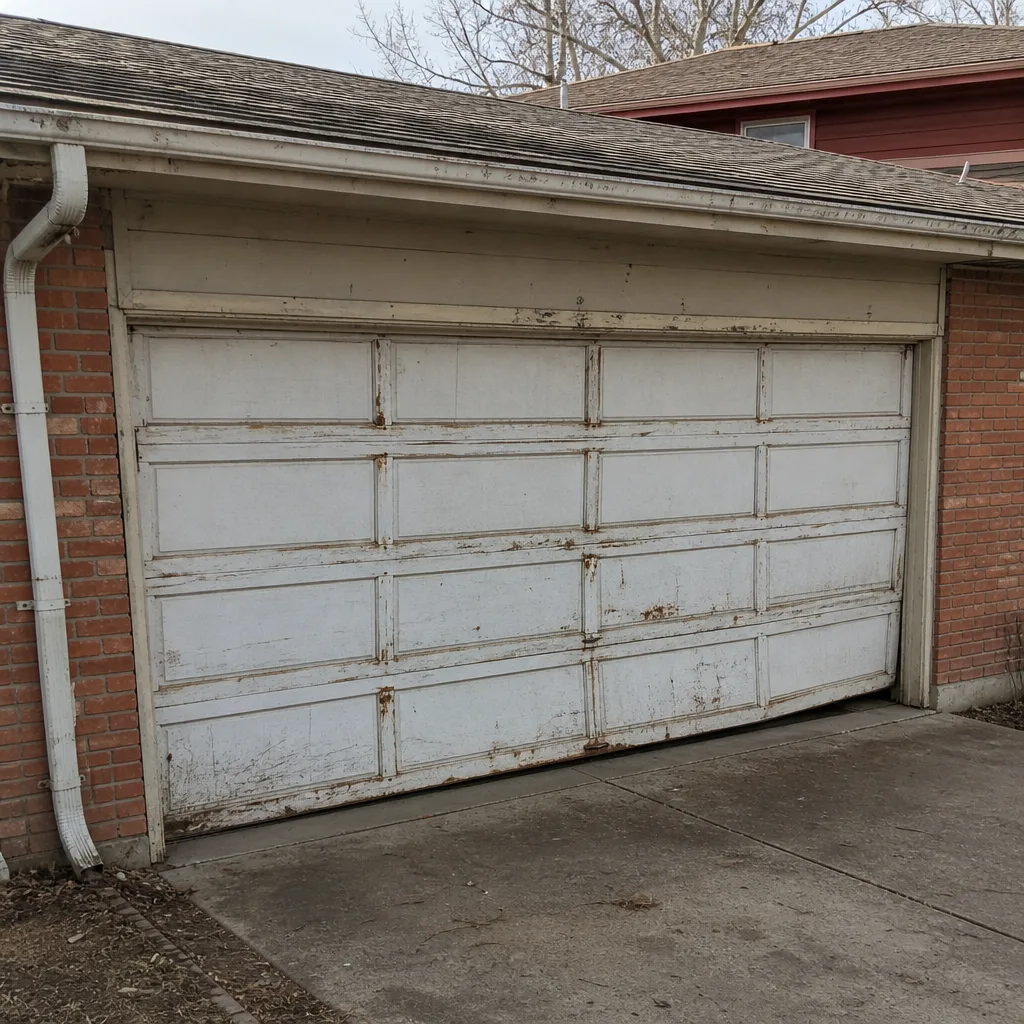 Before
 After
 Before
 After
 Before
 After
Frequently Asked Questions
A loud pop followed by a door that feels light or won’t lift is the most serious warning sign, because it usually means a torsion spring has snapped and the door’s weight is no longer counterbalanced. Stop using the door immediately and keep people clear until a technician has looked at it. For the same reason, a slack or off-drum cable or a visibly crooked door also means stop, not schedule. Call (833) 319-0790 for a free estimate on spring repair.
Spring replacement in the Harvey Park area typically runs $180 to $340 for one spring, and since matched pairs are usually replaced together, a pair usually comes to roughly twice that. These are typical estimated ranges; the written estimate sets the final price, and we agree it with you before any work starts. Call (833) 319-0790 for an exact quote. Estimates are free.
We offer same-day service for repair calls, and a door that won’t close or has lost its spring gets priority. Call and describe what the door is doing, and we’ll get it booked in. Fast dispatch runs from 7am to 7pm, Sunday through Friday. Call (833) 319-0790. We answer 24/7.
No. The written estimate sets the price, and it’s agreed with you before any work begins. If the inspection turns up a worn roller or a loose bracket that’s related to the original problem, we’ll tell you and price it separately before touching it. Call (833) 319-0790 for a free estimate.
Yes. The local professional who comes to your door is licensed and insured as Colorado requires. Our technicians have up to 12 years of experience with both manual door mechanics and powered systems, and we work on the brands already installed in homes here, including Chamberlain, Genie, Clopay, and Amarr. Call (833) 319-0790 to book a visit.
Usually not. Grinding is typically roller or bearing wear, and it allows a few days to schedule service. A grinding door that’s paired with jerking, crooked travel, or a heavy feel on the way up deserves a faster call, though, because the opener is compensating for a door that’s getting harder to lift. Call (833) 319-0790 and describe the sound; we can narrow it down before the visit.
If the door moves freely by hand but the motor won’t drive it, the problem is usually the opener. If the opener strains or the door drags, travels crooked, or reverses on its own for no clear reason, the door hardware is often the cause. Our garage door repair visits diagnose both sides of the system together, which is why a single call covers springs, cables, tracks, and the opener at once. Call (833) 319-0790 for a free estimate.
The Bottom Line
Your door is telling you what’s about to fail, usually well before it does. Grinding, squealing, and rattling are early notes that rollers, bearings, or hinges need attention, and they allow a window to schedule. Popping, a snapped spring, a slack cable, or a crooked door are signals to stop operating it and call for professional spring repair. Run the monthly reverse test, sight along your tracks now and then, and look for spring gaps and cable wear without touching either. When something changes, call and describe the sound and the movement plainly; that’s the fastest route to the right parts and the right fix.
Contact
Whatever your door is telling you, we can translate it. Garage Door Repair Harvey Park covers the whole system, from the spring to the opener, with free estimates and a written price agreed before any work starts. Our technicians have up to 12 years of experience and work on the brands already in your garage. Call (833) 319-0790 for a free estimate. We answer 24/7, and fast dispatch runs from 7am to 7pm, Sunday through Friday. You can also start with a look at Garage Door Repair Harvey Park to see what a full-system visit covers.
Written by the team at Garage Door Repair Harvey Park.