
Last updated November 22, 2026
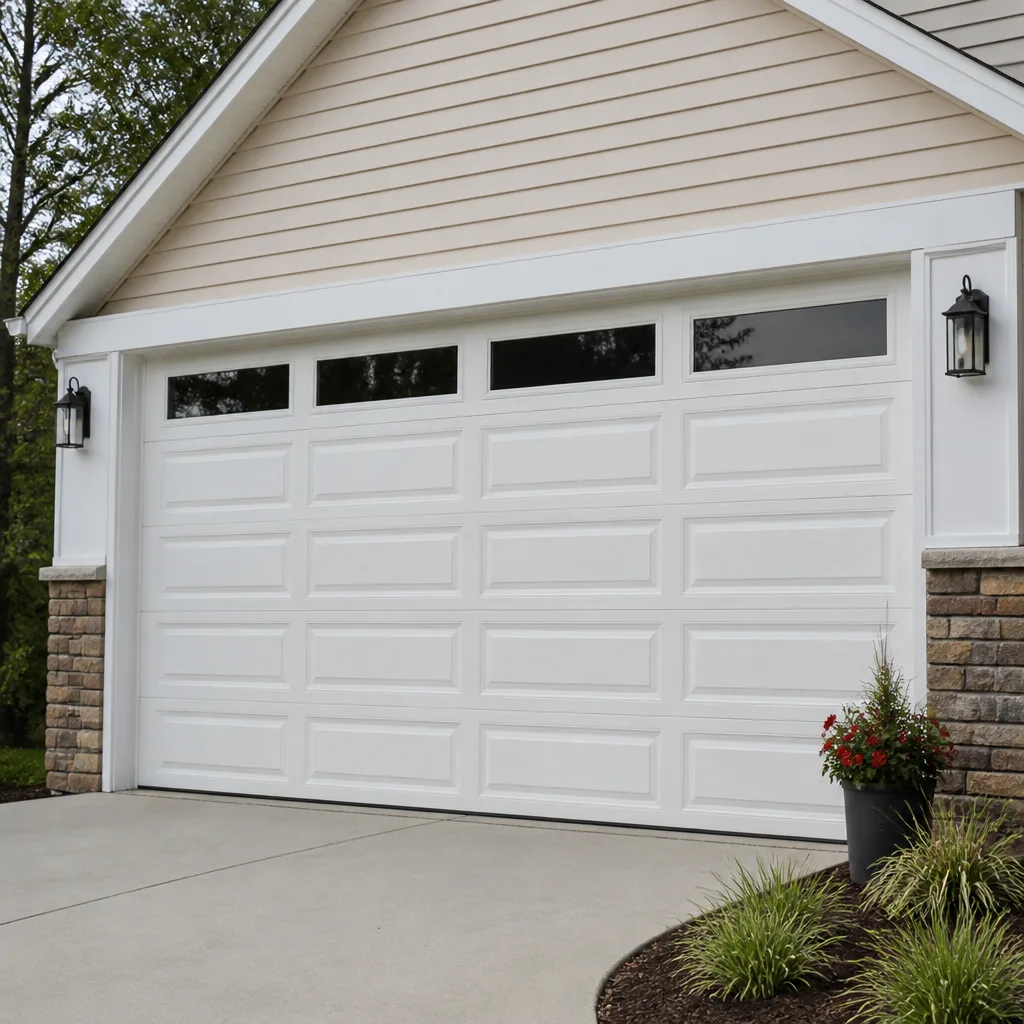 Raised-panel steel
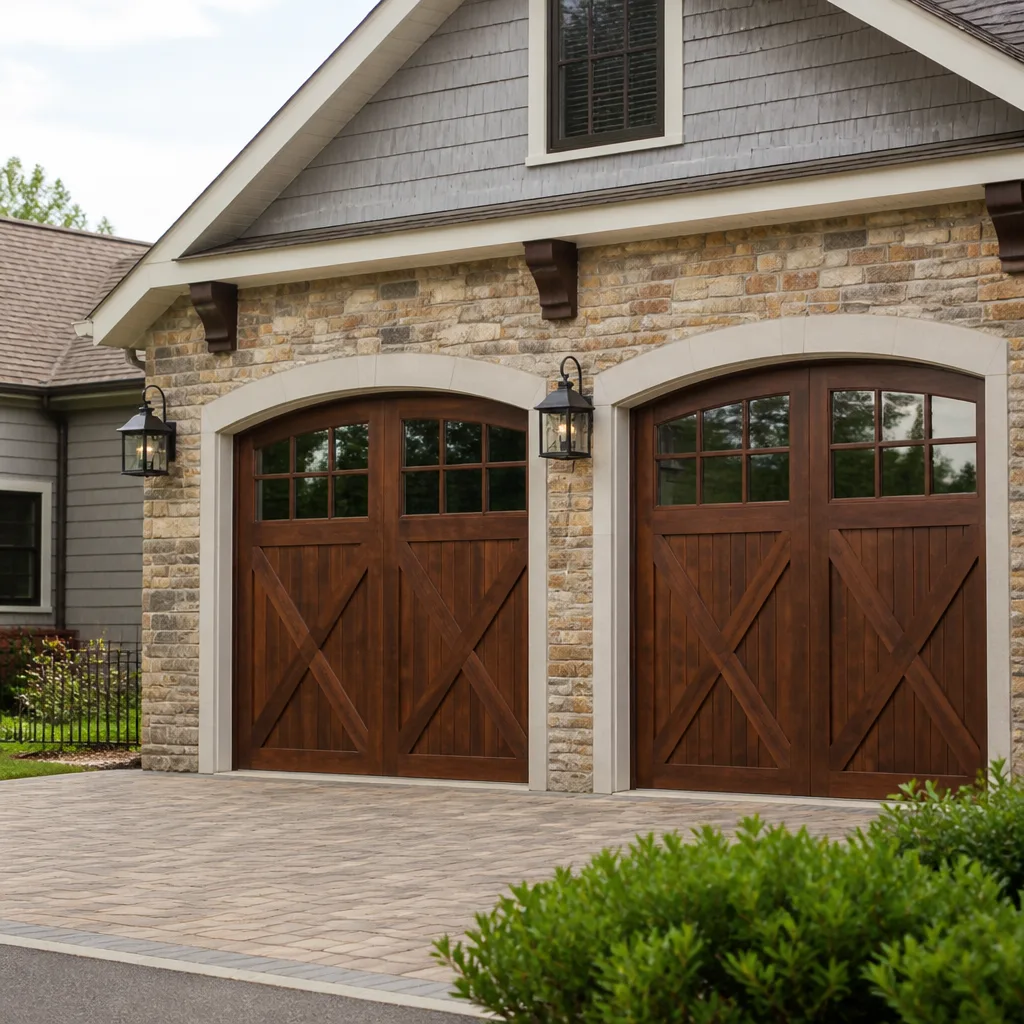 Carriage house
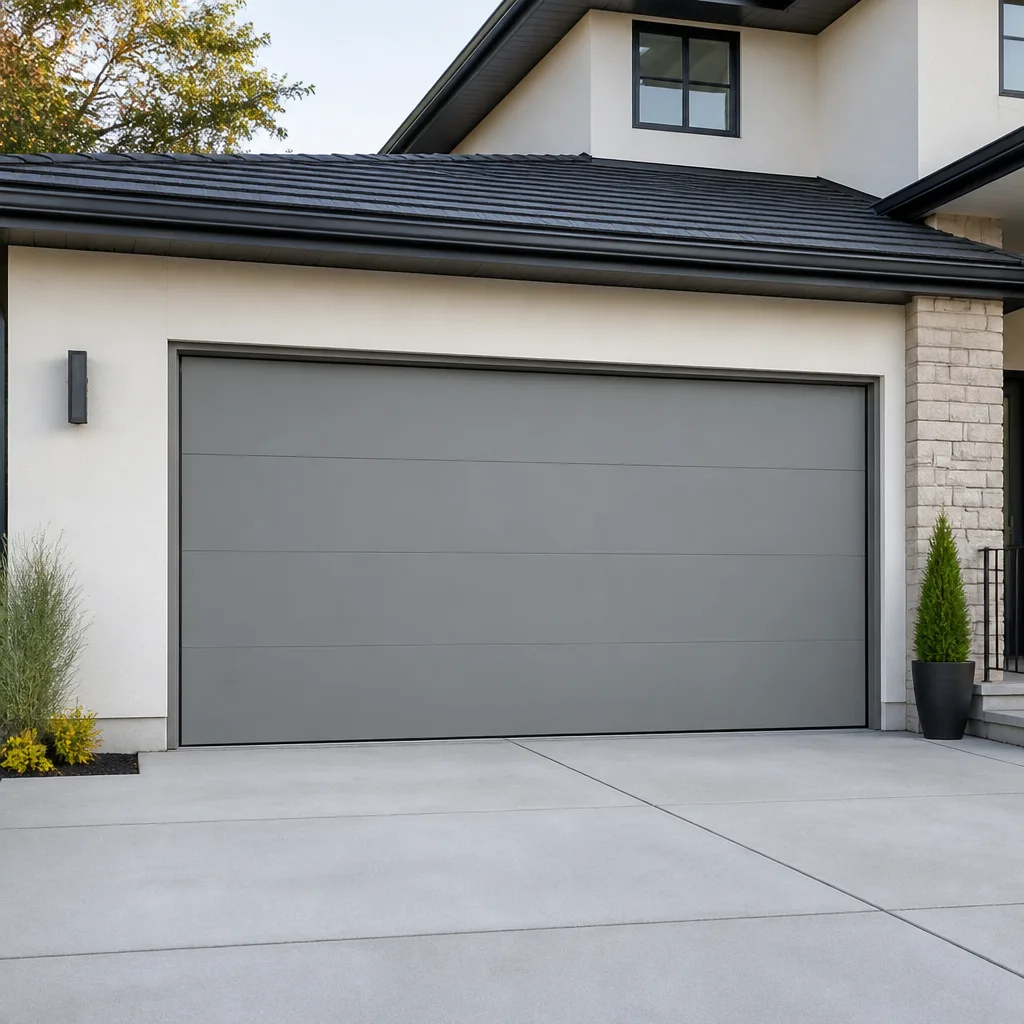 Modern flush
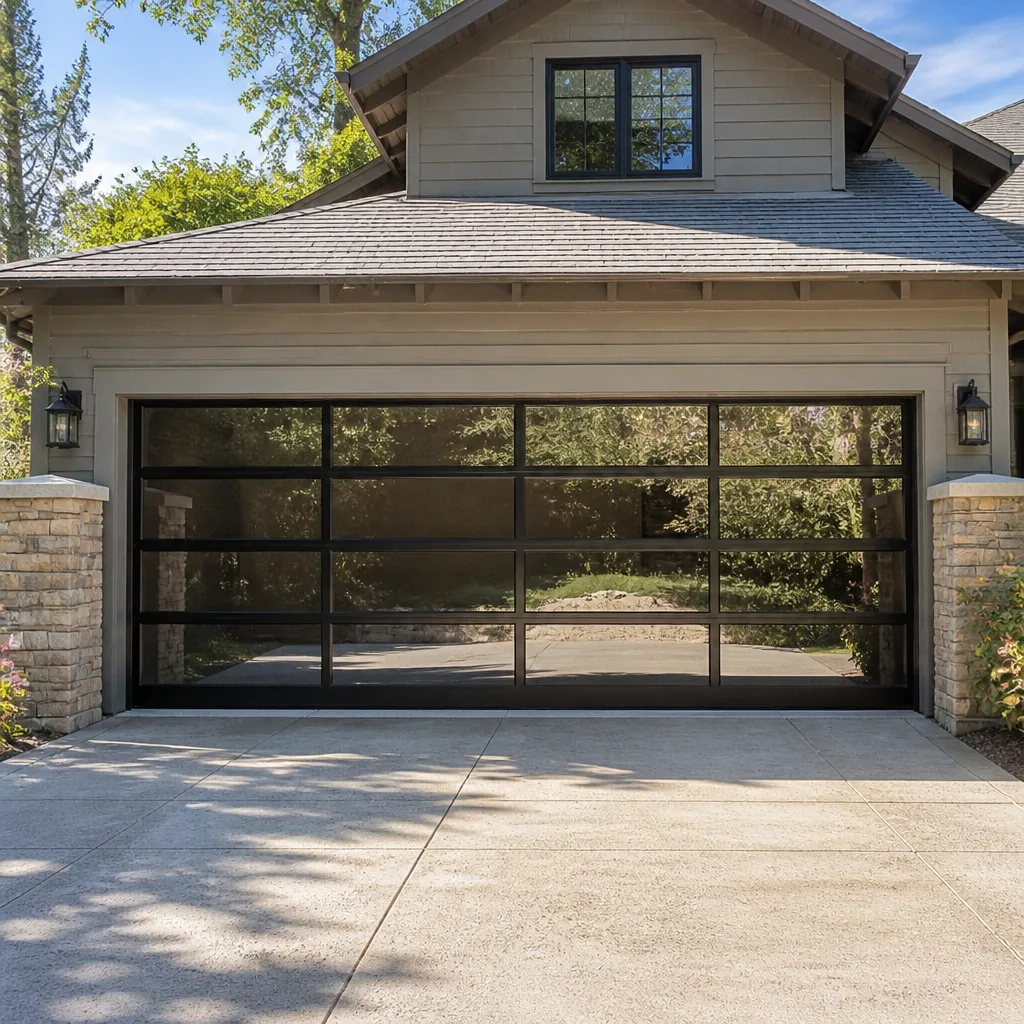 Full-view glass
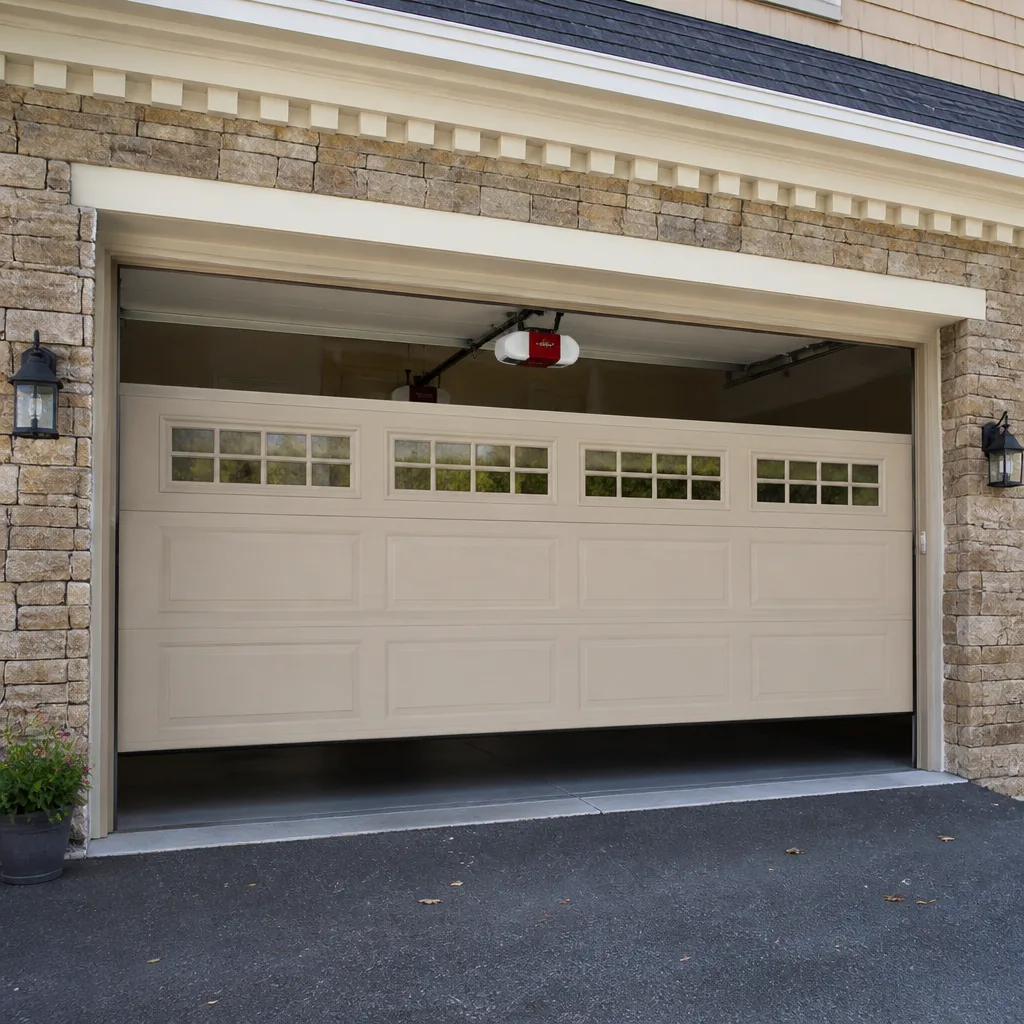 LiftMaster openers
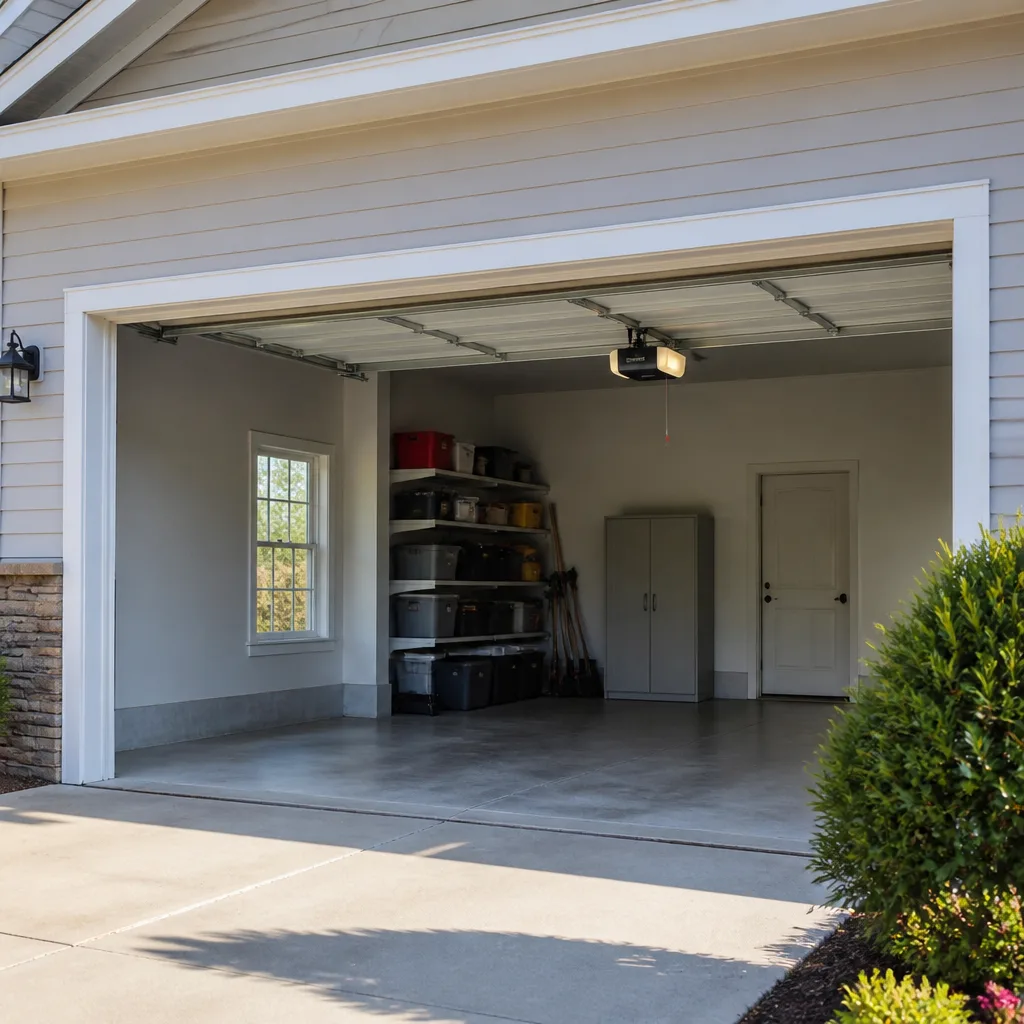 Chamberlain openers
Full 25-point door and opener safety check with every visit - springs, cables, rollers, tracks, and your LiftMaster or Chamberlain opener included
You get a price before we start. It does not change when the pro arrives.
Get your free estimateGarage Door Permits, Codes & Inspections in Harvey Park, CO: What You Need to Know
A garage door replacement in Harvey Park almost never requires a permit. But if a contractor modifies the rough opening, adds a new header, or touches the framing to fit a larger door, that work absolutely does. The line is structural, and most homeowners don’t know where it is. That gap causes real trouble later – not during the install, but years down the road at an inspection or a sale. In this guide we walk through what Denver’s permitting rules actually cover when it comes to garage doors, when an opener pulls electrical code into the picture, what “like-for-like replacement” means in practice, and how the inspection process runs. It’s written for Harvey Park homeowners who want to get this right the first time.
Quick Answer
In Harvey Park and the rest of Denver, a straight replacement of a garage door with a same-size door of the same type generally does not require a building permit. Structural changes to the opening – new framing, a wider or taller opening, a new header – and new garage construction do require one through Denver Community Planning and Development. Opener installation can trigger electrical permit rules depending on how the circuit is run. When in doubt, confirm with the city’s building department before work starts.
Styles & brands we work with
- Raised-panel steel
- Carriage house
- Modern flush
- Full-view glass
- LiftMaster openers
- Chamberlain openers
Table of Contents
- How do Denver’s permit rules apply to garage doors?
- Replacement vs. alteration vs. new installation: where’s the line?
- What does “like-for-like replacement” actually mean?
- When does an opener installation trigger electrical permit rules?
- How unpermitted structural work shows up at a home inspection
- The inspection process: what to expect and how long it takes
- Why Harvey Park’s housing stock changes the picture
- Common mistakes to avoid
How do Denver’s permit rules apply to garage doors?
Denver Community Planning and Development governs building permits for the city, and Harvey Park falls under its jurisdiction. The rules that matter for a garage door depend entirely on what kind of work you’re doing. A cosmetic or mechanical swap is one thing. Changing the structure of the opening is another. And new garage construction is a third category with its own review.
The reason this trips people up is that “garage door work” gets used as one phrase. In permit terms it’s at least three different projects:
- Maintenance and repair. Replacing springs, cables, rollers, hinges, panels or an opener on an existing door. This is repair work, not construction, and it doesn’t need a building permit.
- Like-for-like replacement. Removing a door and installing a new one of the same size in the same opening, with the same type of track and hardware. Generally no building permit, because the structure of the building doesn’t change.
- Alteration or new installation. Resizing the opening, adding a header, changing the framing, converting a carport to an enclosed garage, or building a new garage. These are structural and do require a permit.
The through-line is the building’s structure. If your project changes the framing, the opening dimensions, or the load path above the door, you’re in permit territory. If it just swaps hardware into an existing opening, you’re not. For a straight swap, our garage door installation work is a scheduling and measuring job, not a permitting one. When the opening itself has to change, that’s when the conversation with the city starts. We can’t tell you definitively what Denver will require for your specific project – only the building department can – but we can tell you which category your job falls into, and that’s usually the question homeowners are really asking.
One more thing worth knowing: homeowner association rules are separate from city permits in Harvey Park. A permit doesn’t override an HOA’s design or color requirements, and an HOA approval doesn’t substitute for a permit. Both can apply to the same project.
Replacement vs. alteration vs. new installation: where’s the line?
The line between a permit-free replacement and a permitted alteration is the rough opening. If the rough opening stays the same size and in the same place, and the new door fits it with standard hardware, it’s a replacement. Move the opening, resize it, or change what’s above it, and it’s an alteration.
Here’s how to think about the three categories side by side:
- Replacement. Old door out, new door in, same dimensions, same opening. The framing is untouched. Usually no permit.
- Alteration. The opening gets wider, taller or repositioned. New framing goes in. A new header may be needed to carry the load above. This requires a permit and an inspection.
- New installation. A garage is added, or a carport is enclosed, or a detached garage is built. Full building permit, plan review and inspections apply.
The header detail is where a lot of Harvey Park homeowners get caught off guard. A garage door opening has a structural beam – the header – above it that carries the load of the wall and roof down to either side. If you’re widening the opening to fit a larger door, that header has to be sized for the new span. That’s engineering work, and it’s exactly the kind of thing a permit and inspection exist to verify. An installer who widens the opening without addressing the header has created a problem that isn’t visible on the surface.
This is also where our brand familiarity helps. If you’re replacing a Clopay or Amarr door with a same-size model, the opening doesn’t move. If you’re changing the door type entirely – say, from a single door to a double – the opening almost certainly has to change, and that’s a permit conversation. Knowing the difference before you order the door saves a lot of back-and-forth. It’s also why we measure before we quote rather than after: the measurement tells us which category the job is in.
What does “like-for-like replacement” actually mean?
Like-for-like replacement means a new door of the same size and type, going into the same rough opening, using the same general track and mounting approach. It’s the category that usually doesn’t require a permit. The tricky part is that “same type” can be interpreted loosely by a contractor and strictly by an inspector, so it’s worth confirming on paper.
To confirm your project qualifies as like-for-like, work through these steps:
- Measure the existing opening. Width and height of the rough opening, not just the door panel. This establishes the baseline.
- Confirm the new door’s dimensions match. If the new door is the same width and height and uses standard track, you’re in replacement territory.
- Confirm the door type is comparable. Sectional to sectional, roll-up to roll-up. Switching between fundamentally different door types can change the mounting and framing needs, which moves the job toward alteration.
- Check that no framing changes are needed. If the installer has to modify the opening, add blocking for a new track configuration, or adjust the header, the job has crossed into alteration.
- Ask the city. Call Denver Community Planning and Development and describe the project in those terms. “Same-size replacement in the existing opening, no framing changes” is a clear description, and it gets you a clear answer.
- Get it in writing from your installer. Have the contractor state in the written estimate that the work is a like-for-like replacement with no structural modification. That document protects you later.
We work with Craftsman and Raynor doors as well as the other major brands, and the like-for-like question is usually answered at the measure. If the existing opening is standard and the new door is a standard match, the job is straightforward. What we can’t do is sign off on whether the city considers a particular project permitted or not – that’s the building department’s call, and we point homeowners there when the answer isn’t clear-cut. Our garage door repair Harvey Park team handles plenty of swaps where no permit is involved. The measure is what tells us whether that stays true.
Keep in mind that a like-for-like replacement still has to meet current safety requirements for the door hardware, particularly the reverse mechanism and any photoelectric sensors if an opener is used. Not needing a permit doesn’t mean safety rules don’t apply.
When does an opener installation trigger electrical permit rules?
An opener installation can trigger an electrical permit when new wiring or a new circuit is involved. Swapping an opener for a new one on an existing, properly wired circuit is a repair, not an electrical project. Running a new dedicated circuit to the garage, adding an outlet for the opener, or routing new wiring where there was none is electrical work, and that falls under Colorado’s electrical code and Denver’s permitting process.
The distinction comes down to the wiring. A few scenarios:
- Replacing an opener on existing wiring. The circuit is already there, the outlet or hardwired connection already exists, and the new opener connects the same way. This is repair work.
- Adding an opener where there wasn’t one. A manual door getting its first opener needs a power source. If an outlet exists nearby, the opener can usually be plugged in. If not, new wiring is needed, and that’s electrical work.
- Upgrading the circuit. If the existing circuit can’t handle the new opener or there’s no dedicated circuit, adding one means a licensed electrician and a permit.
- Smart opener installation. The opener itself is low-voltage once plugged in, but the wiring to power it is still subject to the same rules. A LiftMaster or Chamberlain smart opener plugs into an existing outlet; if there’s no outlet, the wiring is a separate job.
This is one of those places where the trades split. We handle the opener and its mechanical and electronic setup. If the job needs new electrical wiring, that belongs to a licensed electrician, and it may require a permit through the city. We’d rather tell you that upfront than have you find out later. If you’re replacing a worn-out opener on an existing circuit, though, that’s our territory, and our garage door opener repair work covers both the mechanical and the electronic side of it.
Since we work on LiftMaster, Chamberlain, Genie and other common opener brands, we can usually tell from a photo or a quick description whether your installation is a plug-and-play replacement or whether it’s going to pull wiring into the picture. Getting that sorted before the technician arrives keeps the visit focused.
How unpermitted structural work shows up at a home inspection
Unpermitted structural garage work tends to surface during a home inspection, and it can complicate a sale. A home inspector looks at the garage opening the same way they look at any structural element – they check the framing, the header, the way the load is carried, and whether there’s evidence work was done without a record with the city. When they find something that doesn’t look right, it goes in the report.
What gets flagged, generally:
- Altered openings with no permit history. A widened opening with no record of inspection raises a question: was the header sized correctly? An inspector can’t always tell by looking, so they note it.
- New framing that doesn’t match the existing construction. Repairs or additions done in a way that stands out from the surrounding structure get attention.
- Missing or undersized headers. A header that’s been swapped or notched to fit a larger door without engineering can be flagged as a structural concern.
- Garage conversions or enclosures without permits. A carport turned into a garage, or a garage turned into living space, done without permits shows up clearly in the permit records and the inspection.
The remediation path is the part that catches sellers. It usually involves pulling a permit after the fact, having the work inspected, and correcting anything that doesn’t pass – which can mean opening up the framing so an inspector can see it. That’s not a quick fix. It’s not the end of the world, but it’s the kind of thing that turns a clean sale into a negotiation, and it’s much easier to prevent than to undo.
What we can say from our side: when we’re measuring for a replacement in Harvey Park, we look at the opening as it exists. If something’s off – framing that doesn’t match, a header that looks modified, a previous alteration with no visible permit record – we point it out. We’re not inspectors and we don’t issue permits, but we know what a garage opening is supposed to look like, and we’d rather flag it to you before it becomes a problem at sale. That’s part of treating the whole door and the whole opening as one system, not just swapping panels.
The inspection process: what to expect and how long it takes
When a garage project does require a permit, the inspection process is fairly predictable. Plan review first, then the work, then the inspection, with rough-in and final inspections depending on the scope. The timeline varies with the project and the city’s current workload, so treat any estimate as approximate and confirm with Denver Community Planning and Development.
Here’s the general sequence for permitted garage work:
- Visit the city’s permit office or online portal. Denver Community Planning and Development accepts permit applications through its portal for many project types. For structural work you’ll typically need plans or drawings showing what’s changing.
- Submit your plans and pay the permit fee. Plan review can take anywhere from a few days to a few weeks, depending on the complexity and the current review queue.
- Get the permit issued. Once your plans are approved, the permit is issued and the work can start.
- Schedule the inspection at the right stage. Structural work often needs a rough-in inspection before it’s covered up and a final inspection after it’s complete. Ask the permit office which inspections apply to your project.
- Plan for corrections if needed. If an inspector finds an issue, you’ll get a correction notice. Fixing it and getting re-inspected adds time.
- Keep the records. The current permit and the inspection record matter at resale. Keep them with your home documents.
The most common snag isn’t the inspection itself – it’s scheduling it at the wrong point. If framing gets enclosed before the rough-in inspection, it has to come back open. The second biggest snag is plans that don’t match what’s actually being built. Both are avoidable with a little planning ahead. If the project involves an opener on a new or modified circuit, the electrical inspection may be a separate sign-off handled by the electrician.
Building a new garage or converting a carport is a longer process than a door swap. If your project falls into the replacement category and doesn’t need a permit, the inspection process doesn’t apply at all – the only work is the installation itself. Part of what we do when we quote a Harvey Park job is help the homeowner figure out which bucket they’re in, because the two paths have very different timelines. If you’re planning a new door, our garage door repair and installation work is measured and scheduled around the door itself, and if a permit is needed we’ll tell you where to start with the city. A free measure and a written price come first.
Why Harvey Park’s housing stock changes the picture
Harvey Park matters here because of what’s in it. It’s a mid-century neighborhood – much of the housing went up in the 1950s and 1960s – and the garages were built for the car sizes and door styles of that era. That makes like-for-like replacement more common than you might expect, because many homes still have their original opening dimensions, often a single-width door or a standard double. It also makes alteration work more common when homeowners want a wider door or a different configuration.
The climate plays a role in the condition of the opening, too. Harvey Park sits in the Front Range, where the seasonal swing is wide – hot summers and cold winters – and that range puts stress on the door components and the framing around them. The wood framing at the opening takes on moisture and dries out repeatedly over the years. By the time a homeowner replaces a door, the framing is sometimes softer or out of square compared to when it was built, which can change a replacement into a repair-to-the-opening job. That’s a real reason to have the opening looked at, not just measured, before ordering a door.
These are the details that separate a smooth Harvey Park job from a frustrating one:
- Original openings. Homes that still have their original rough opening are usually straightforward replacements – no permit, no structural change.
- Previous renovations. A garage that’s been altered over the years may have framing changes with no permit record. Worth checking the city’s records for the address before you buy, or before you alter further.
- Attached vs. detached garages. An attached garage shares structure with the house. Changes to the opening touch the load path for the house itself, which is a bigger deal than a detached garage.
- Seasonal wear. The temperature swing means spring and cable wear is common, and the framing at the opening ages. When we come out for a garage door repair Harvey Park call, part of what we’re checking is how the opening itself has held up, not just the door.
Our technicians have up to 12 years of experience with this kind of work in Front Range conditions. If you want a straight answer on what your Harvey Park project actually involves – a replacement or something that needs a permit conversation with the city – call (833) 319-0790. We answer 24/7. Fast dispatch from 7am to 7pm, Sunday through Friday. The estimate is free, and the price is set per job by the written estimate and agreed before any work starts.
Common Mistakes to Avoid
- Assuming all garage door work is permit-free. Repair and replacement usually don’t need one. Altering the opening or adding a new garage does. The category matters more than the term “garage door work.”
- Letting an installer widen the opening without a permit. If the opening changes size, the header has to be sized for the new span. Skipping the permit skips the inspection that catches a header that’s too small.
- Confusing HOA approval with a permit. In Harvey Park, an HOA can have its own rules on door style and color. Those rules are separate from city permits. Neither replaces the other.
- Swapping an opener without checking the wiring. A new opener on existing wiring is a straightforward job. New wiring or a new circuit is electrical work, and it needs a licensed electrician and possibly a permit.
- Ordering a door before measuring the opening. A door sized off the old panel’s measurement can be wrong if the opening has shifted or the framing has aged. Measure the rough opening first.
- Not checking permit records before buying in Harvey Park. Older homes can have previous alterations with no permit record. Pull the records before you close, so you’re not discovering a problem later.
- Enclosing framing before the rough-in inspection. If the project needs a permit, the framing has to be inspected before it’s covered. Scheduling out of order means opening it back up.
See the difference
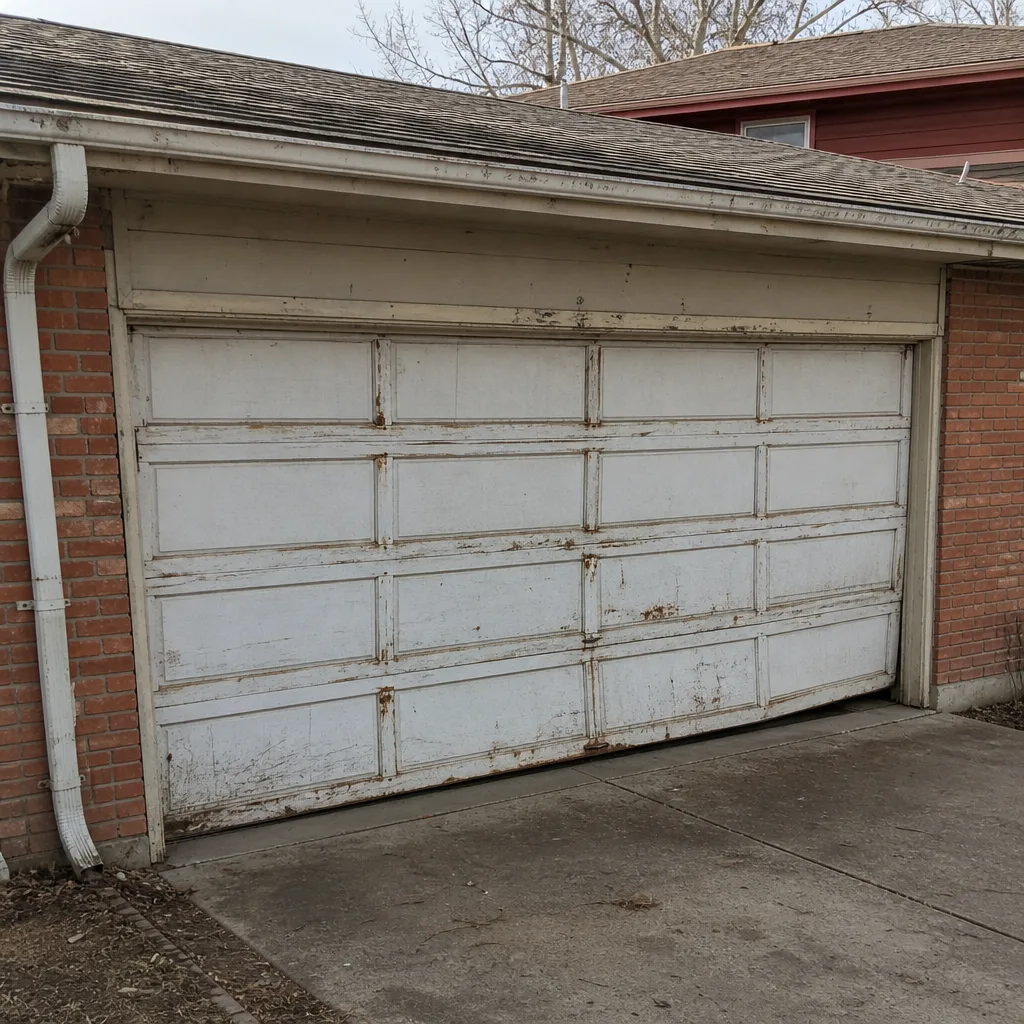 Before
 After
 Before
 After
 Before
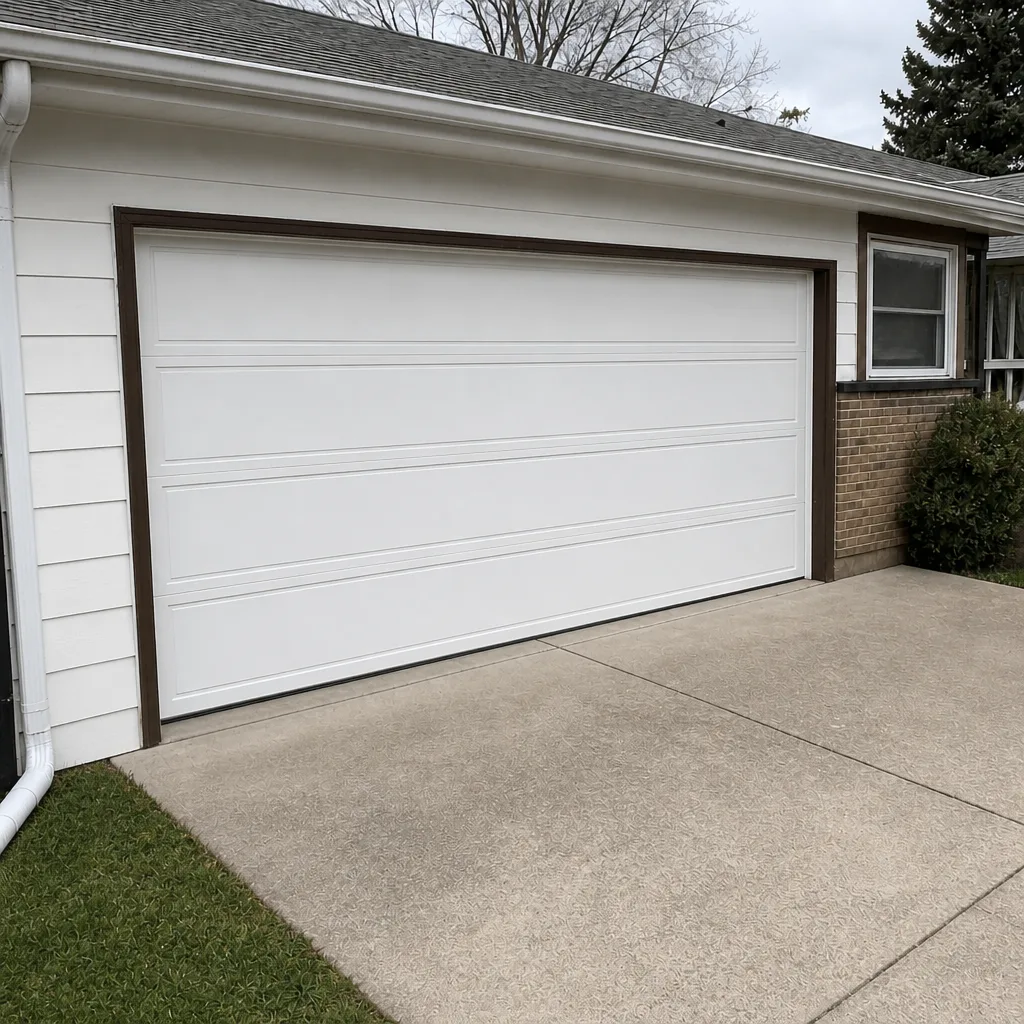 After
When to Call a Professional
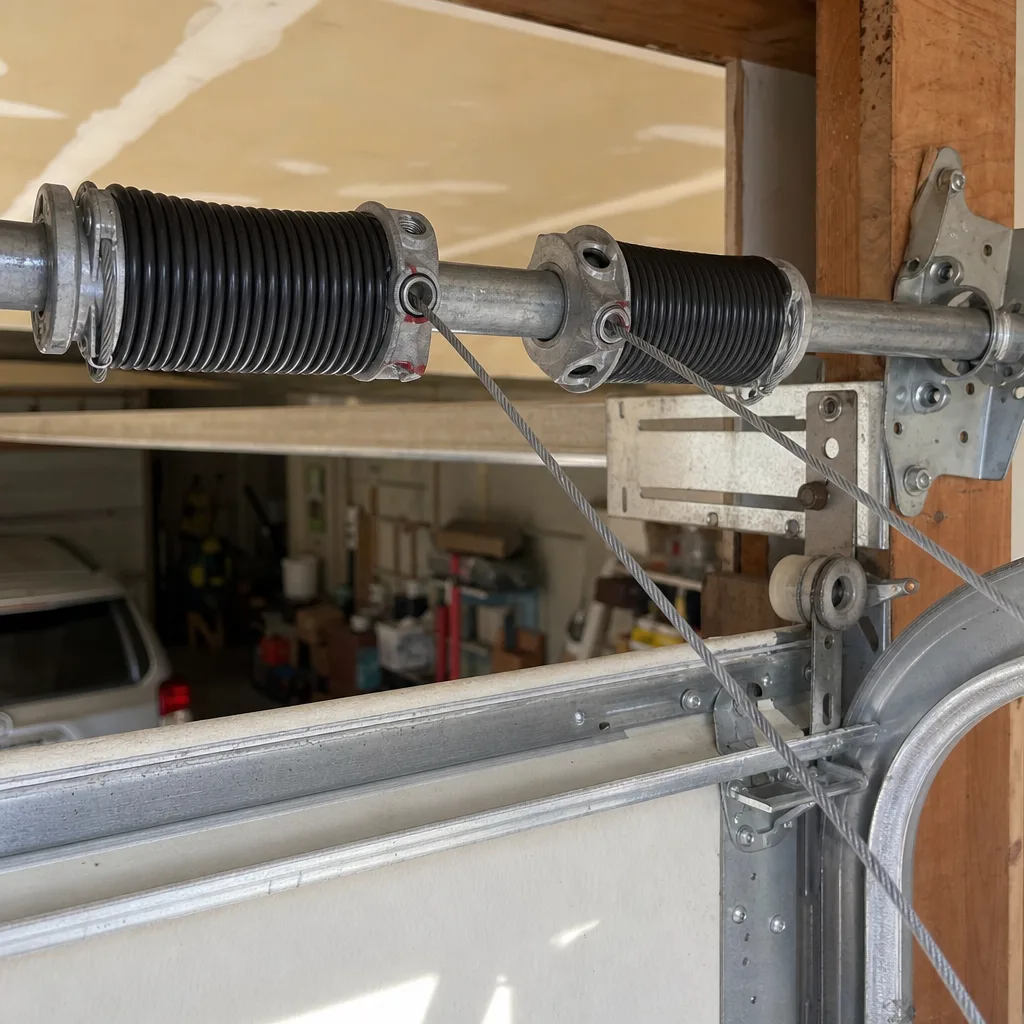
Call a professional when the door is stuck, the opener won’t respond, a cable snaps, or a panel is damaged. Call when a spring breaks – spring repair is one of the most dangerous jobs in the trade, and it’s not a safe DIY project. The tension in a wound torsion spring is enough to cause serious injury, and a proper repair means the right springs matched to the door’s weight and a controlled de-tensioning and re-tensioning. Call when you’re planning a replacement and want the opening measured before you order. And call when you’re looking at a structural change – widening the opening, adding a header, building a new garage – because the earlier you bring a specialist into that conversation, the fewer surprises there are. If a call comes in Saturday, we’re closed that day, and we’ll book the visit for Sunday. Garage Door Repair Harvey Park offers free estimates in Harvey Park – call (833) 319-0790. We answer 24/7, with fast dispatch from 7am to 7pm, Sunday through Friday.
Frequently Asked Questions
Usually no. A like-for-like replacement – same size, same type, same rough opening, no framing changes – generally doesn’t require a building permit in Denver. If the work involves altering the opening, adding a header, or building a new garage, a permit is required. Confirm with Denver Community Planning and Development before work starts so you have a clear answer for the specific job. Call (833) 319-0790 for a free estimate – we’ll tell you which category your project falls into.
It depends on the wiring, not the opener. Replacing an opener on an existing, properly wired circuit is repair work and doesn’t need an electrical permit. Running new wiring, adding a circuit, or adding an outlet for the opener is electrical work, and that falls under Colorado electrical code and Denver’s permit process – done by a licensed electrician. If you’re not sure which situation you’re in, call (833) 319-0790. Estimates are free.
It can surface during a home inspection, especially on an older Harvey Park home, and it can complicate a sale. The typical fix is to get the work permitted and inspected after the fact, and correct anything that doesn’t pass – which may mean opening up framing so an inspector can see it. It’s worth pulling permit records for the address before you buy or before you alter a garage that’s already been modified. Call (833) 319-0790 for a free estimate on the door side of the work.
It varies with the project and the city’s current workload. Plan review typically runs from a few days to a few weeks, the inspection follows after the work, and corrections add time on top. Treat any timeline as approximate and confirm it with Denver Community Planning and Development when you apply. Replacement work that doesn’t need a permit skips the process entirely. For a free measure and a written price on the door itself, call (833) 319-0790.
A new door of the same size and type going into the same rough opening, with the same general track and mounting approach, and no framing changes. Measure the rough opening, confirm the new door matches, and have your installer state in writing that no structural modification is involved. If the new door needs different framing or the opening changes size, it’s not like-for-like. Call (833) 319-0790 to get your opening measured – estimates are free.
The local professionals we connect you with are licensed and insured as their state requires. We’re a garage door specialist, and our technicians have up to 12 years of experience with brands including Craftsman, Raynor, LiftMaster and Chamberlain. We’ll tell you from the start whether a project falls under permit rules and point you to the city for the final word. Call (833) 319-0790 for a free estimate.
The Bottom Line
Most garage door work in Harvey Park doesn’t need a permit – repair and like-for-like replacement fall outside the permitting process. The line is structural. Altering the opening, adding a header, changing the framing, or building a new garage requires a permit through Denver Community Planning and Development, and unpermitted work tends to surface at inspection or sale. Opener installation only pulls in electrical rules when new wiring is involved. When you’re not sure which category your project is in, measure first, get the category confirmed in writing, and ask the city. Then get the door work done right. Call (833) 319-0790 for a free estimate – we answer 24/7, with fast dispatch from 7am to 7pm, Sunday through Friday.
Written by the team at Garage Door Repair Harvey Park.