
Last updated November 22, 2026
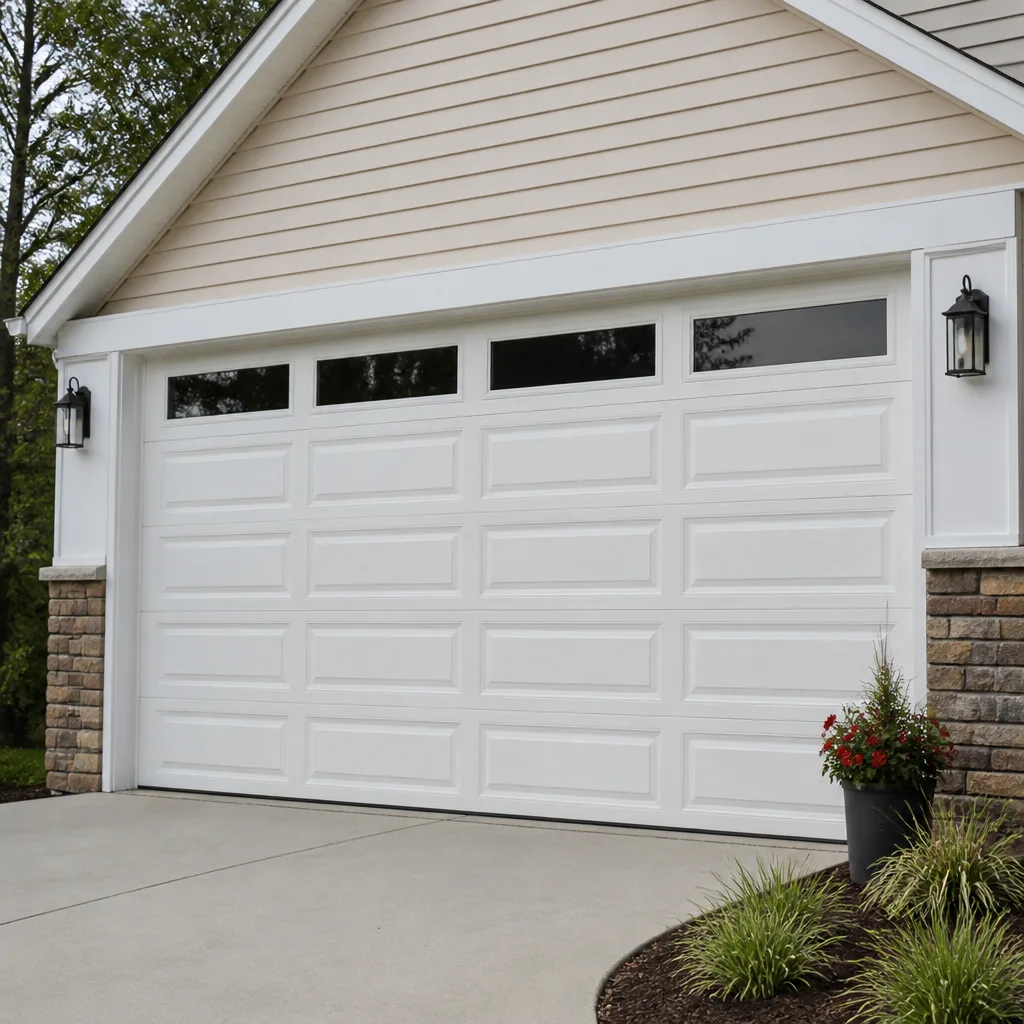 Raised-panel steel
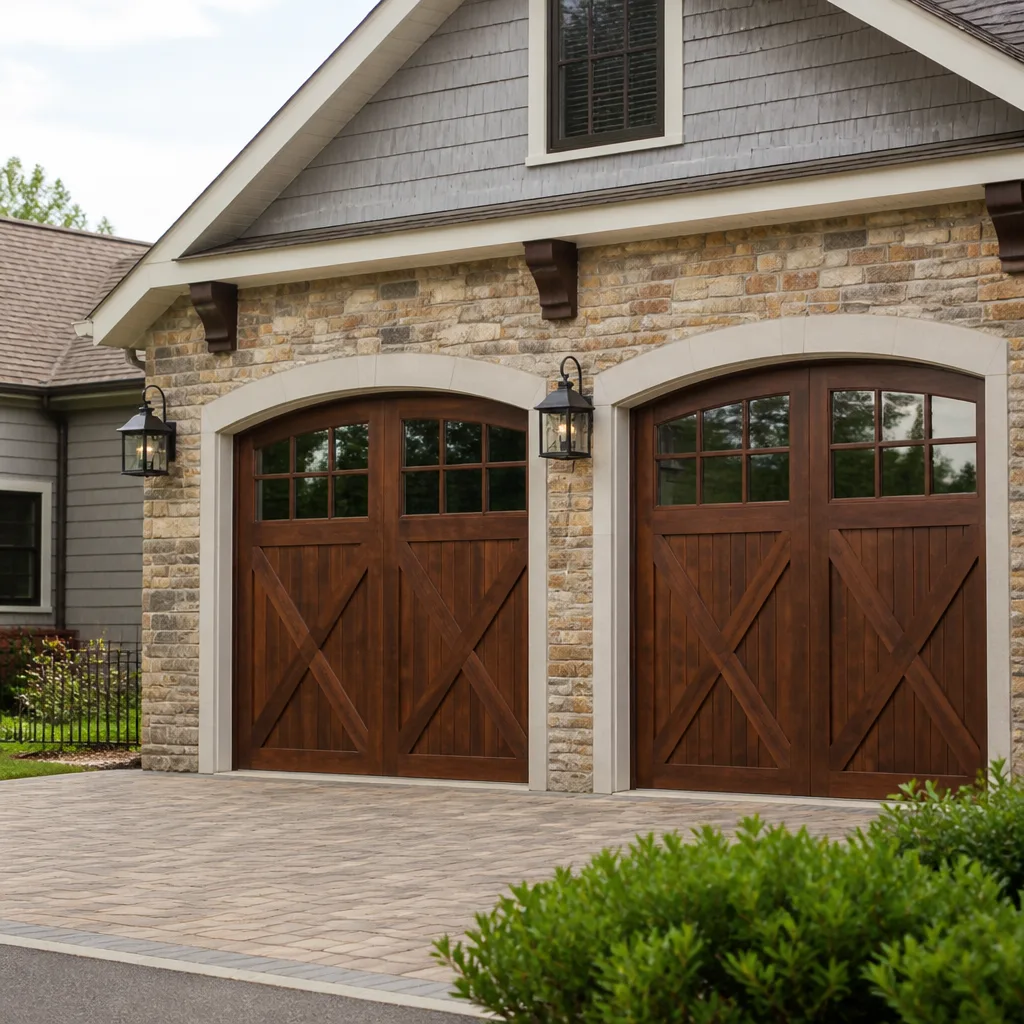 Carriage house
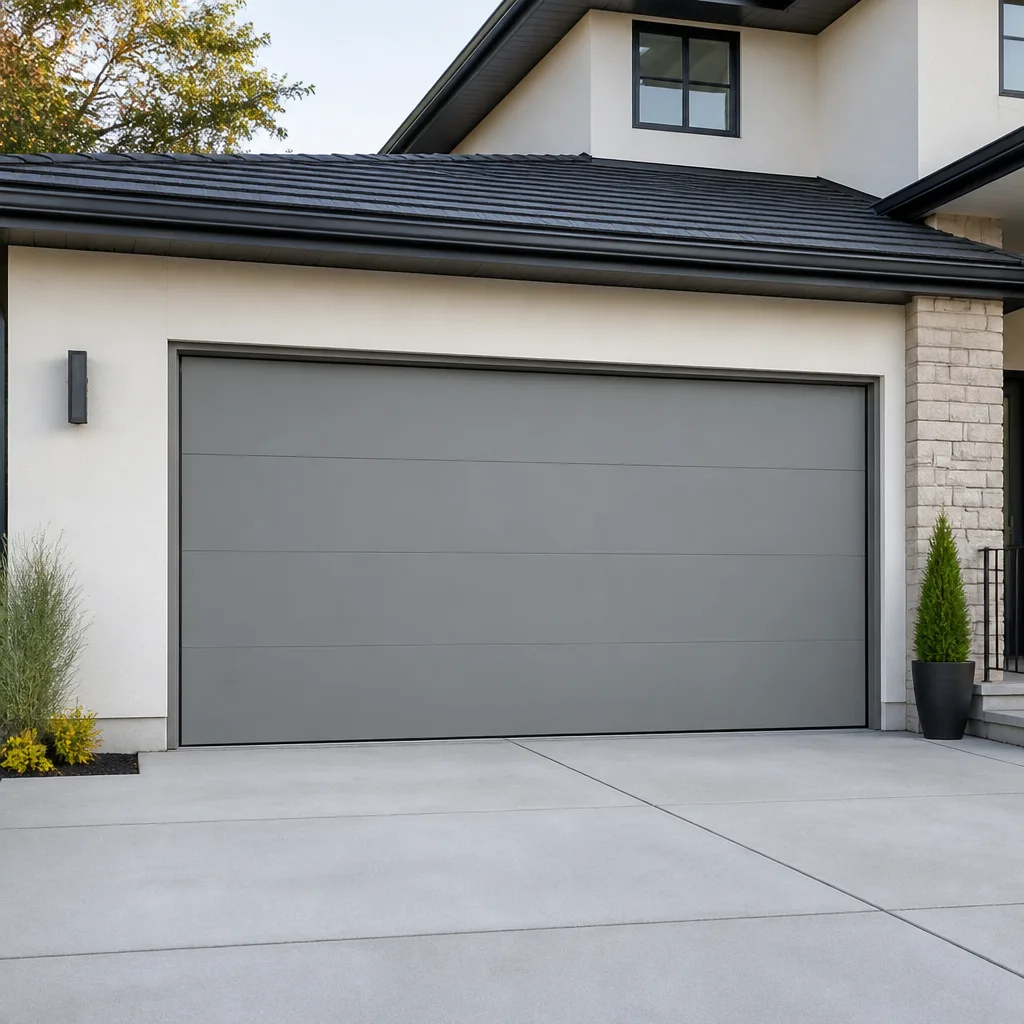 Modern flush
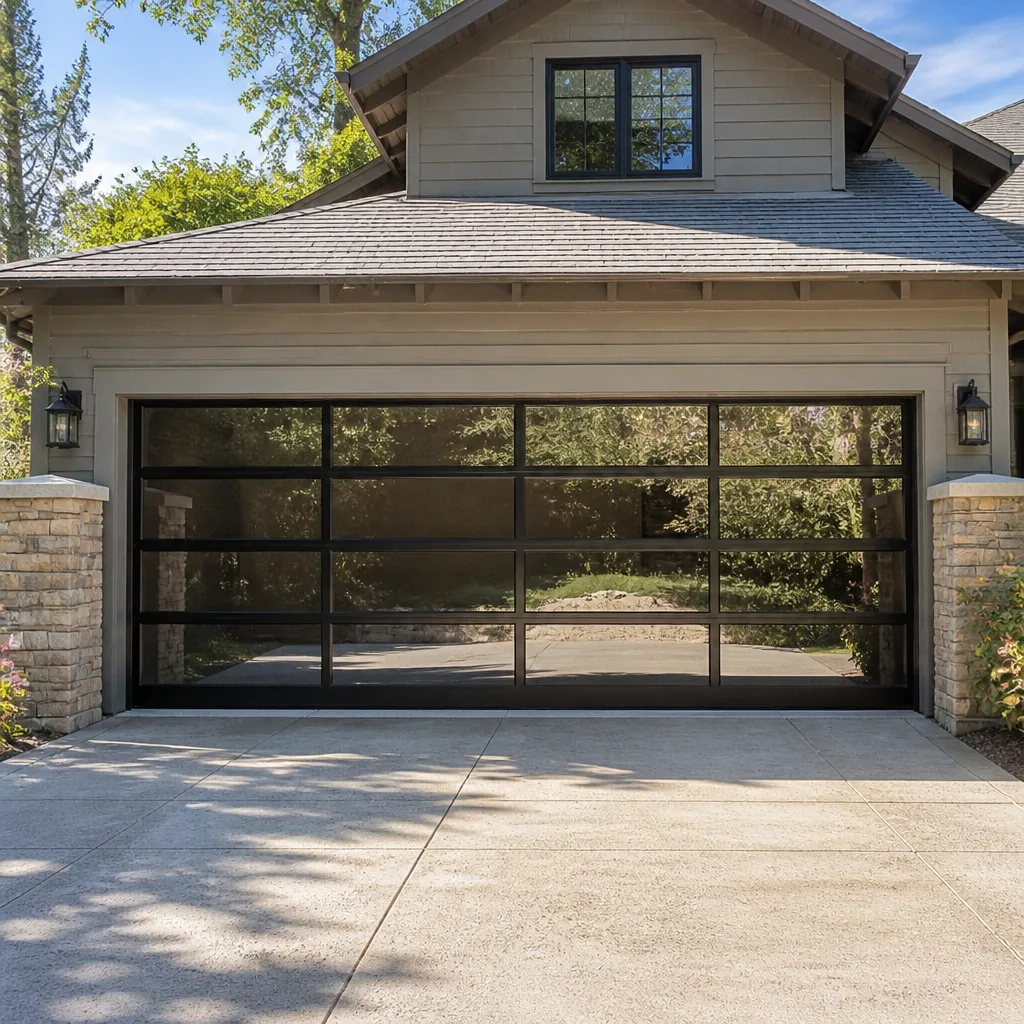 Full-view glass
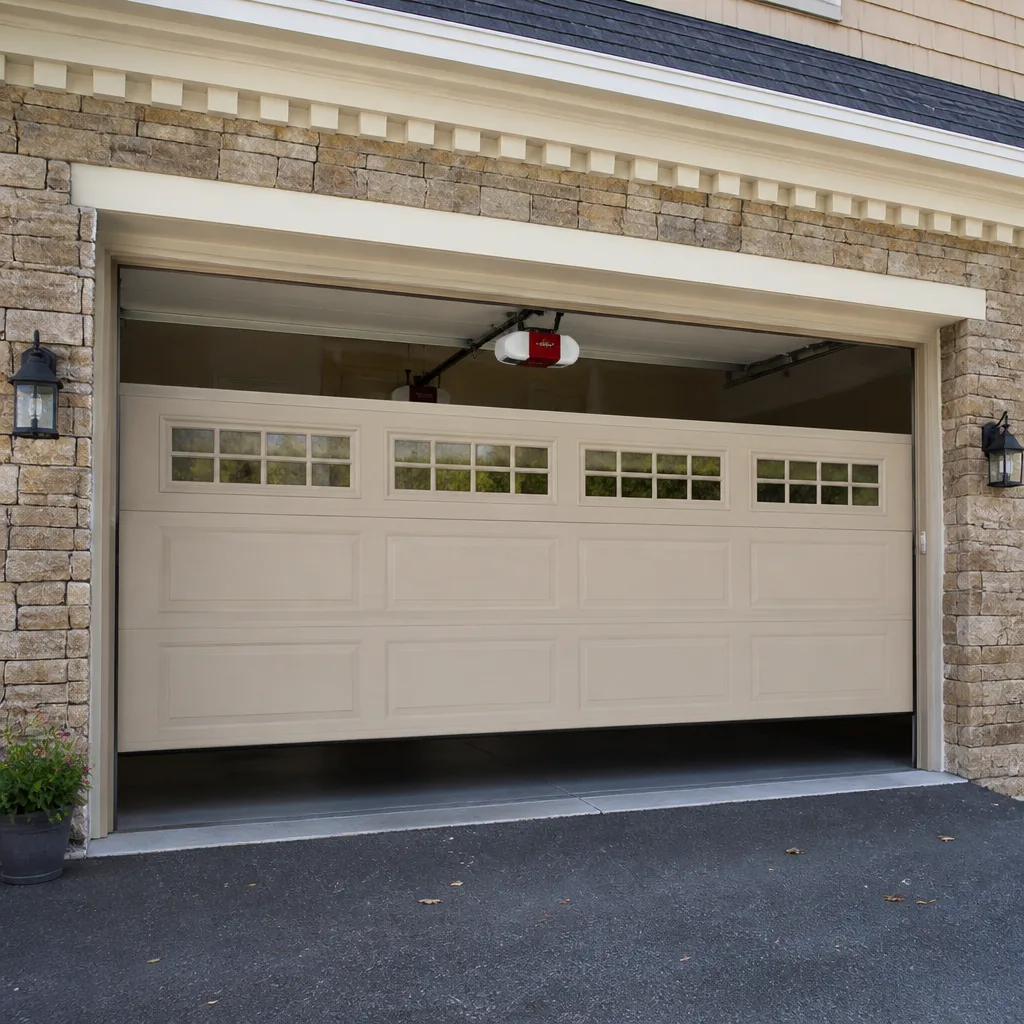 LiftMaster openers
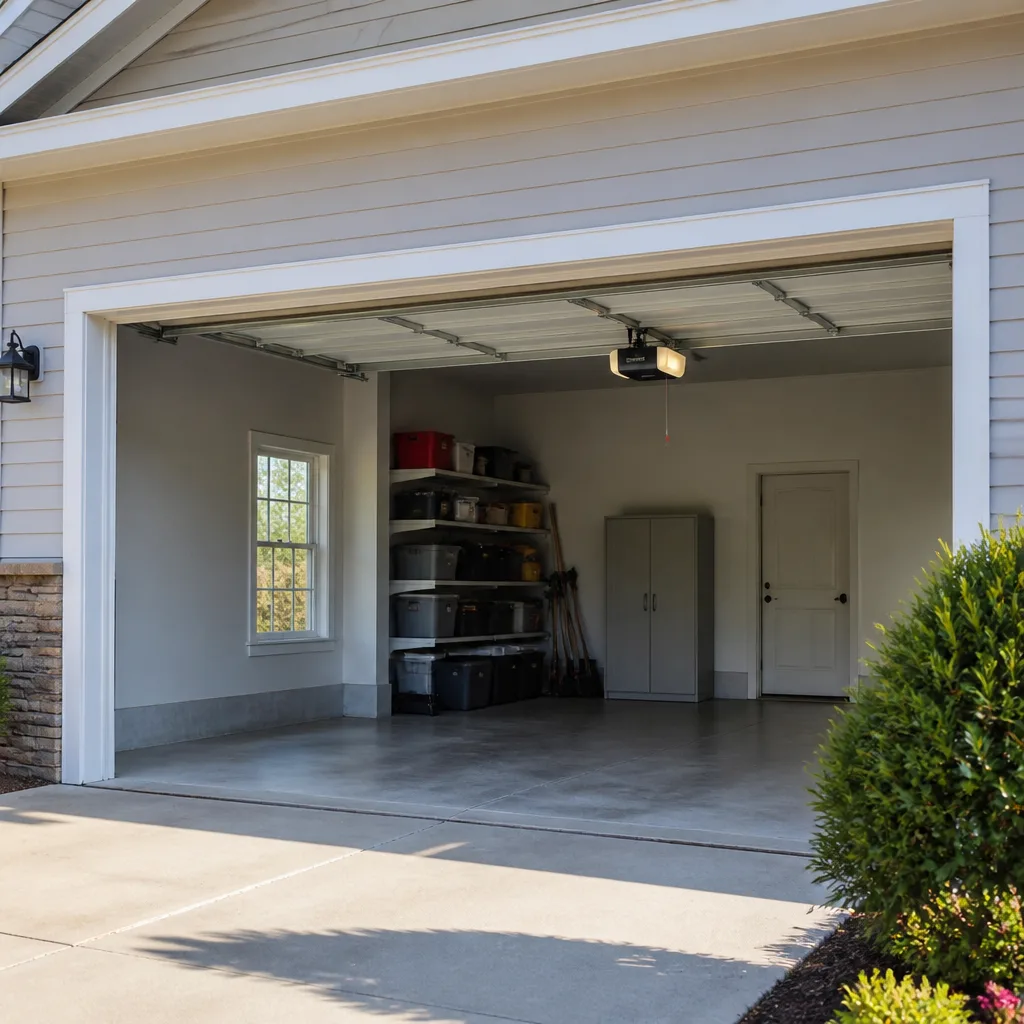 Chamberlain openers
Full 25-point door and opener safety check with every visit - springs, cables, rollers, tracks, and your LiftMaster or Chamberlain opener included
You get a price before we start. It does not change when the pro arrives.
Get your free estimateGarage Door Repair Maintenance Checklist for Harvey Park Homeowners
Torsion spring lubrication shows up on nearly every garage door maintenance checklist you’ll find online. What those lists leave out: putting the wrong product on a spring, or lubricating one on a door with worn drums, can speed up the exact failure the oil was supposed to prevent. That’s the problem with most checklists. They mix owner-safe jobs and technician-only jobs into one undifferentiated list, and they don’t account for how a specific place wears a door down. Harvey Park sits at the edge of the plains, where late-fall temperature swings and spring melt moisture do predictable damage to springs, hinges, and bottom seals. This guide separates what you can safely do yourself from what needs a trained technician, and it sets the frequency to Harvey Park’s actual seasons rather than a generic calendar.
Quick Answer
A safe garage door maintenance routine in Harvey Park runs on four owner-level tasks (visual inspection, balance test, listening check, and lubrication of the correct moving parts) done monthly to seasonally, plus two annual technician checks on springs, cables, and the opener’s force settings. Skip lubrication of torsion springs on a door with visible drum wear, and never adjust springs, cables, or bottom brackets yourself. Most of the checklist is doable in under 20 minutes.
Styles & brands we work with
- Raised-panel steel
- Carriage house
- Modern flush
- Full-view glass
- LiftMaster openers
- Chamberlain openers
Table of Contents
- Why a Generic Checklist Fails in Harvey Park
- Owner-Safe Tasks: What You Can Actually Do
- Technician-Only Tasks: What to Leave Alone
- Lubrication That Works in Colorado’s Climate
- The 60-Second Balance Test
- Seasonal Calendar for Harvey Park Garages
- What to Document and Photograph
- When to Call a Professional
Why a Generic Checklist Fails in Harvey Park
A checklist written for a mild coastal climate doesn’t fit Harvey Park. The temperature swings here are wider than most generic guides assume, and the humidity profile is dry for most of the year with sharp moisture spikes during the spring melt. That combination wears down different components at different rates than a door in, say, a steady-humidity region. The parts that fail first in Harvey Park are usually the ones a generic list ranks as low priority.
Start with the wood and steel doors common on the mid-century ranch homes throughout Harvey Park. Wood doors expand and contract with the seasonal moisture change, and that movement stresses hinges, rollers, and the connections between panels. Steel doors are less affected by moisture but take the temperature swings harder, particularly in the springs that carry the door’s weight. The result is that a door in the older blocks near Harvey Park Reservoir will usually need spring attention at a different interval than a newer door a few streets over.
The other reason a generic checklist misses the mark: it blends maintenance with repair. Maintenance keeps a working door working. Repair fixes a door that’s already failing. A list that tells you to adjust your own balance springs or tighten a loose bottom bracket is giving you repair work without the training or the spring tension release tools to do it safely. That distinction is the foundation of everything below.
Owner-Safe Tasks: What You Can Actually Do
Roughly 80% of a maintenance routine is owner-safe. These are the tasks that involve visual inspection, listening, and lubrication with the door in a stable position. None of them require you to touch the spring system or operate under tension.
Work through these in order. Start with the door closed and the opener disconnected so nothing moves unexpectedly:
- Visual panel and frame check. Look for dents, rust spots at the bottom edges, and gaps between panels. In Harvey Park, the vulnerable spots are the bottom panels and the door edges facing the weather. Note any panel that looks misaligned.
- Track inspection. Run your hand along each track rail (with the door at rest) and feel for dents, debris, or loose mounting bolts. Check that the track is parallel to the door edge on both sides.
- Roller and hinge look-over. Rollers should spin freely. Hinges should be tight and not bent. Any roller with a flat spot or visible crack needs replacement, not lubrication.
- Weather seal check. The bottom rubber seal should contact the floor across the full width. Gaps let in cold air, moisture, and pests, and they’re one of the first things to fail during a Colorado winter.
- Opener housing and sensor test. Press the wall button and watch the door move. Then wave an object across the safety sensor beam to confirm it reverses. Listen for grinding, clicking, or hesitation.
- Balance check (covered in detail below).
- Lubrication (also covered below) on the rollers, hinges, and track, not the springs on a worn door.
Total time for all seven items: under 20 minutes on a typical door. If you find something wrong during any step, stop that item and note it. Don’t try to fix it yourself if the fix would involve spring tension, cable slack, or the door’s balance point.
Technician-Only Tasks: What to Leave Alone
Some maintenance items are dangerous enough that only a trained technician should touch them, even on a door that’s currently working fine. These are the tasks where an injury is possible within seconds if something lets go.
- Torsion spring adjustment. The springs are under significant stored tension. A spring, winding cone, or cable that fails while you’re near it can cause serious injury. We won’t tell you how to adjust these because there is no safe way to explain it without the tools and training to do it correctly.
- Cable and drum inspection under tension. Cables on a closed door are slack, but as the door opens they tension. Inspecting them properly means understanding where the tension is and how to release it safely. That’s technician territory.
- Bottom bracket tightening. The bottom bracket is where the cable attaches. It carries the full tension of the closing door. Loosening or tightening this while the door is up is one of the most common causes of serious injury in garage door DIY.
- Opener force and travel-limit settings. Modern openers have safety reverse thresholds. Setting them wrong means the door won’t reverse when it meets an obstruction. Adjusting these requires knowing the opener’s specific interface, and getting it wrong removes a critical safety feature.
- Spring replacement of any kind. Whether it’s a single torsion spring or a matched pair, this is not a homeowner task on any brand, including the Wayne Dalton doors common in this area of Harvey Park.
There’s another reason to leave these to a technician: catching a problem early. A trained eye sees spring wear, cable fraying, or drum misalignment that isn’t obvious from the outside. Our technicians have up to 12 years of experience and handle spring repairs as a core service. That’s the kind of inspection most home maintenance routines never get.
Lubrication That Works in Colorado’s Climate
Most guides say “lubricate your garage door” without telling you what to use. In Colorado, that’s a real problem. Low humidity and wide temperature swings break down the wrong products quickly, and using the wrong lubricant on a torsion spring can trap grit against the coil and accelerate wear.
Here’s what works in this climate:
- White lithium grease (in a spray can): Good for tracks and rollers. It handles the low-humidity environment well and doesn’t attract dust the way some heavier products do.
- Silicone spray: Best for weather seals, hinges, and any rubber or plastic components. It won’t degrade the seal material and stays effective through the temperature swings. Use this on the bottom seal each fall and spring.
- Light machine oil or a silicone-based garage door spray: Appropriate for hinges and pivot points. Apply sparingly; more is not better here.
- Do not use WD-40 (the original formula) as a lubricant. It’s a penetrating oil and water displacer, not a long-term lubricant. It can strip existing grease and leave metal exposed.
- Hold off on lubricating torsion springs on a door with visible drum wear. A worn drum means the spring is already under uneven load. Adding oil can mask the symptom and delay a technician inspection. If you see cracks or heavy scoring on the drum, call a professional rather than lubricate.
In Harvey Park, plan for two lubrication passes per year: one in the late fall before the first hard cold snap, and one in early spring after the melt. That timing catches the two points where temperature and moisture shift most sharply in this part of Colorado.
The 60-Second Balance Test
A balance test is the best early-warning tool for spring wear. It takes under a minute, requires no tools, and can tell you months before a spring breaks whether the door is starting to carry uneven load. Springs rarely fail without warning; they usually lose tension gradually, and that loss shows up as an unbalanced door.
How to run it:
- Close the door fully. Pull the emergency release cord to disconnect the opener from the door (it’s the red or orange pull handle on the opener rail).
- Lift the door by hand to about halfway open (roughly waist height).
- Let go and step back. A balanced door stays where you let it go, or drifts slowly to one position. It should not fall or drop hard.
- If the door drops quickly, the springs are losing tension or one of the pair has weakened.
- If the door slides upward on its own, the springs are too strong or the opener is working overtime to keep it down. Both need attention.
- Reconnect the opener by pulling the release cord again and testing the door through one full cycle.
Run this test once a month, and always after the first cold snap of late fall. In Harvey Park, the temperature drop from late October into November is when weak springs tend to show their first signs. Catching the change at that point means a planned repair instead of an emergency call.
One safety note: never run this test with the door already under spring tension that feels wrong (if the door was hard to lift or felt unbalanced when you started, reconnect it and call a technician). The balance test is a diagnostic for a working door, not a rescue for one that’s already failing.
Seasonal Calendar for Harvey Park Garages
Frequency matters more than the specific steps. The same checklist run on the right schedule catches problems before they become emergencies; run on the wrong schedule, it’s busywork. Here’s how the timing works in Harvey Park specifically.
Monthly (year-round): Run the balance test. Listen to the door during the first few open/close cycles of the month. Note anything that’s changed: a new rattle, a hesitation at the halfway point, a clicking sound from the opener.
Late fall (before the hard freeze): Full owner inspection. Re-lubricate tracks, rollers, and hinges with white lithium grease. Check the weather seal for gaps. Two reasons this matters here: the cold makes metal stiffer and more likely to crack, and the first freeze locks in whatever seal problems you carry into winter. This is also the ideal time to have a technician check the springs before they’re stressed by the coldest months.
Winter (December through February): Monthly balance test and visual check. If the door sticks or grinds in cold weather, don’t force it. Cold-weather binding is a symptom, not a cause; the underlying issue is usually spring tension or a roller problem.
Early spring (after the melt): This is Harvey Park’s key moisture window. The ground softens, humidity spikes briefly, and any water that got into the door’s seals or into the floor-mounted track over the winter has had time to work. Inspect for rust at the bottom panels and track bases. Check the weather seal for damage from ice. Re-lubricate metal parts. This is also the most common time for newly bought homes to schedule their first technician visit, since the previous owner may have skipped winter prep.
Late spring to early summer: A good time to schedule the annual technician inspection of springs, cables, and opener force settings, since demand is lower than the fall rush. If the door is an Amarr or Craftsman model that’s been running without service, this inspection is worth more than the homeowner tasks combined.
Summer: Monthly checks and one additional full lubrication of hinges and rollers. This is the low-stress season for garage doors in Colorado, but the heat can dry out seals and lubricant, so it’s not a season to skip entirely.
What to Document and Photograph
Most homeowners don’t think about this part, and it’s the difference between a door that gets diagnosed quickly and one that gets a round of guesswork. A written and photographed service history gives any technician a head start. It also helps you notice patterns over time.
Here’s what to capture at each maintenance check:
- Photograph the spring assembly from a distance. A before-and-after shot over six months shows the spring’s extension and any visible wear on the coil. Don’t get close enough to touch; the photo is a visual record, nothing more.
- Photograph the bottom panels and weather seal. Rust and seal degradation show up visually before they show up as symptoms.
- Write down the balance test result. “Door held at halfway” or “dropped 6 inches in 3 seconds” gives a technical comparison point over time. Note the date and the approximate outdoor temperature.
- Record the door’s weight class and model if you know it. The model plate on a Clopay or Raynor door lists the size and weight, which is what a technician needs to select the right spring. If you don’t have the plate, note the door’s approximate width and material.
- Log every repair, part replacement, or opener adjustment with the date. If a roller was replaced in March and is squeaking again in August, that’s a pattern. If an opener force setting was changed, note it so nobody duplicates the adjustment.
- Keep a photo of the opener’s brand label and model number. When you call for garage door opener repair, having the model number saved means faster troubleshooting. It’s the difference between a general diagnosis and a specific answer.
Store the photos and notes in a single phone album or a folder. Ten seconds of documentation each month builds a history that’s genuinely useful when something goes wrong. In our experience, the homeowner who has a documented history gets a faster, more accurate diagnosis than the one who calls with only a description.
Common Mistakes to Avoid
- Lubricating torsion springs on a door with visible drum wear. As noted above, this can make a developing spring problem worse. The drum tells you the spring is already under uneven load, and adding oil is the wrong move. Inspect, don’t lubricate, and call a technician to look at the spring assembly.
- Using WD-40 as a garage door lubricant. It displaces water and penetrates, but it doesn’t lubricate long-term, and it strips away grease that’s already there. In Colorado’s dry climate, that leaves hinges and rollers exposed to wear faster than you’d expect.
- Adjusting the opener’s force settings after installing a new battery in the remote. These are unrelated. Adjusting force to fix a weak remote signal is one of the most common mistakes we hear about, and it can disable the door’s safety reverse.
- Tightening the bottom bracket because the door feels loose. This bracket holds cable tension. A door that feels loose is usually a spring or track adjustment, not a bracket problem, and tightening the bracket risks releasing the cable.
- Running the balance test without disconnecting the opener. A connected opener masks balance problems because the motor holds the door in place. Disconnecting the opener is what reveals the door’s true balance.
- Skipping the spring seal in fall. In Harvey Park, the late fall cold lock-in is when the weather seal has to be at its best. A seal that’s already worn will crack further through the freeze, and the cold air and moisture that gets in is harder on the door’s internals.
- Assuming a noisy door is a failed door. Noise is usually a lubrication or roller issue, not a spring failure. Re-lubricate first. If the noise doesn’t quiet down after a lubrication pass, then it’s time to look deeper, and that’s when to schedule garage door repair.
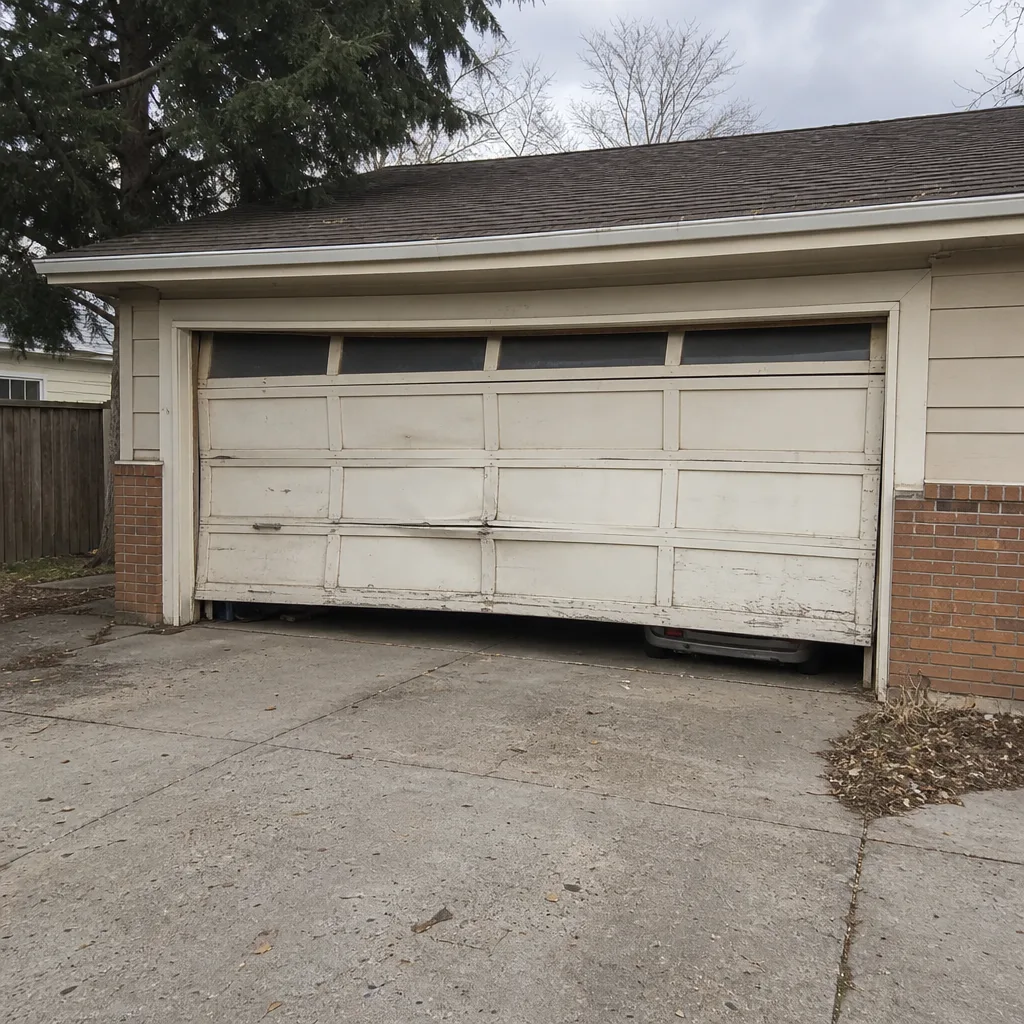
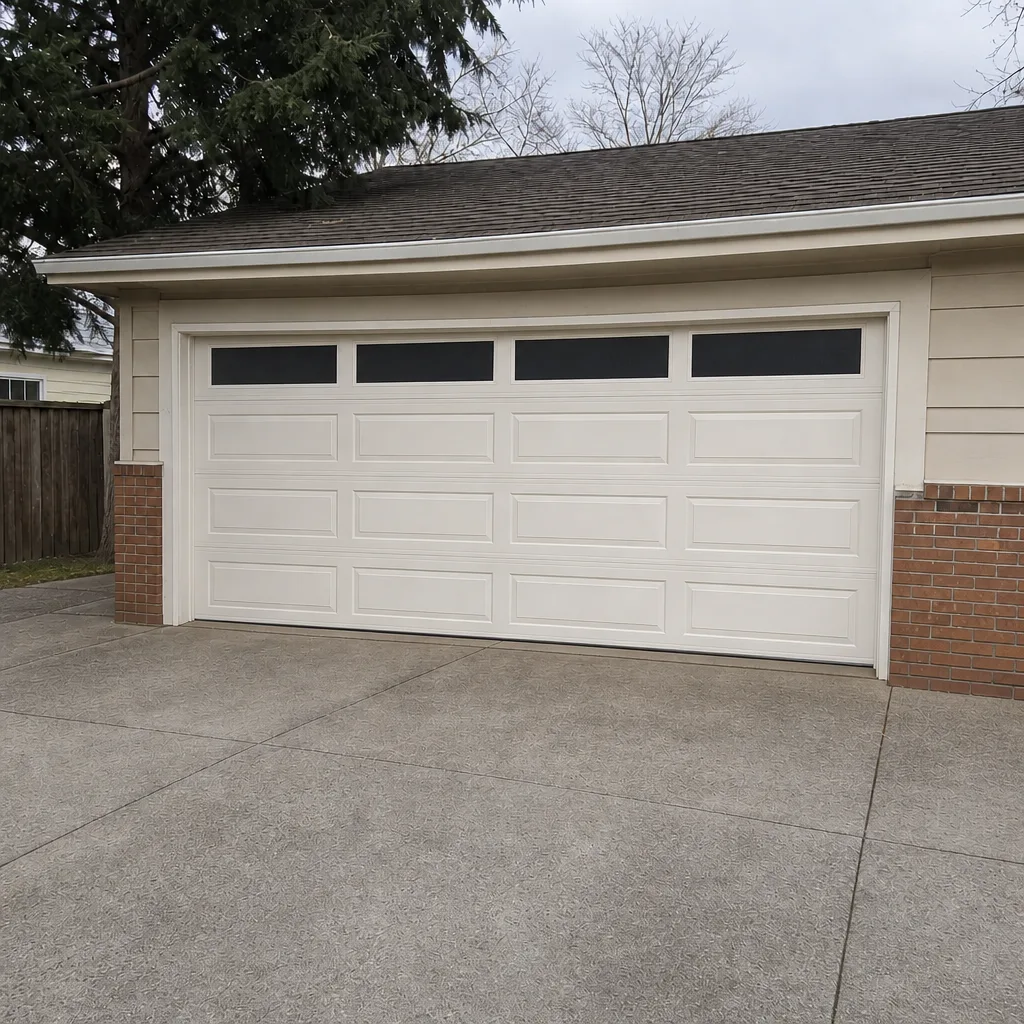
See the difference
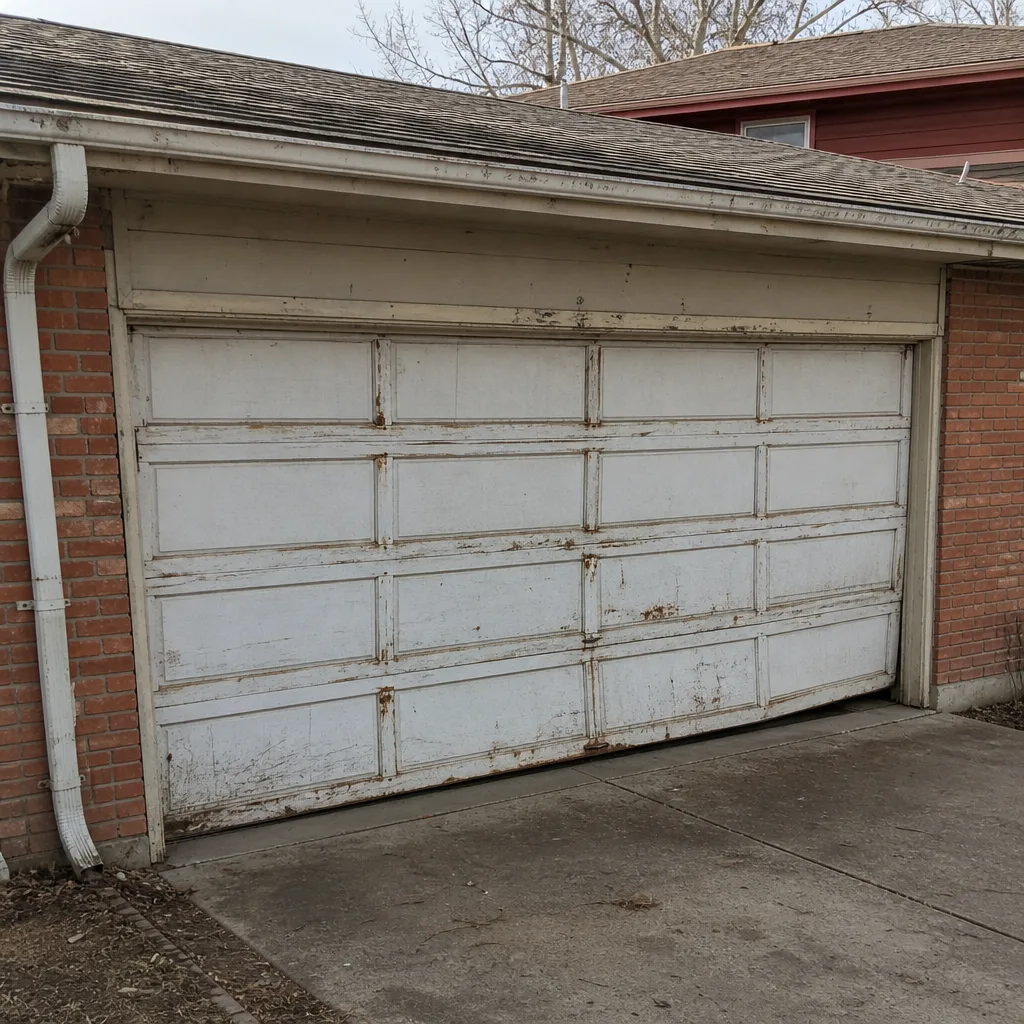 Before
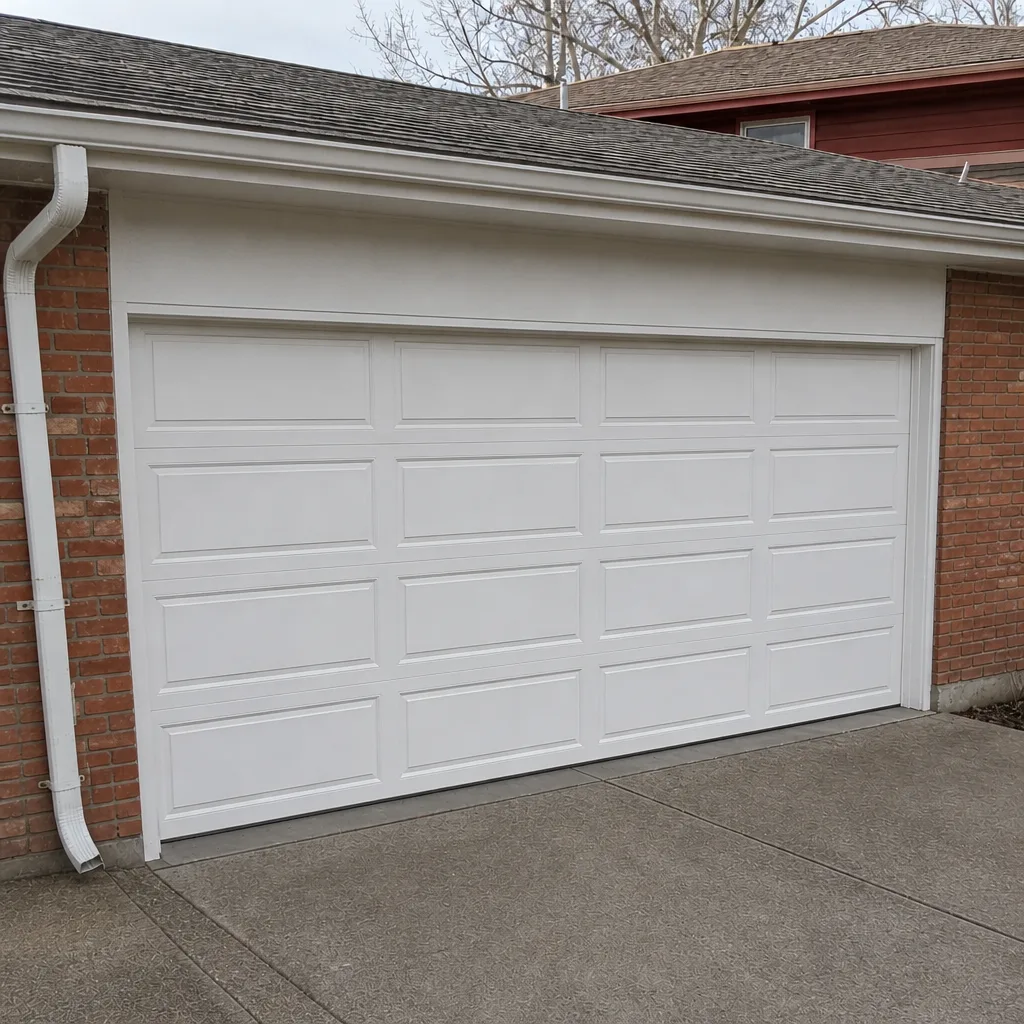 After
 Before
 After
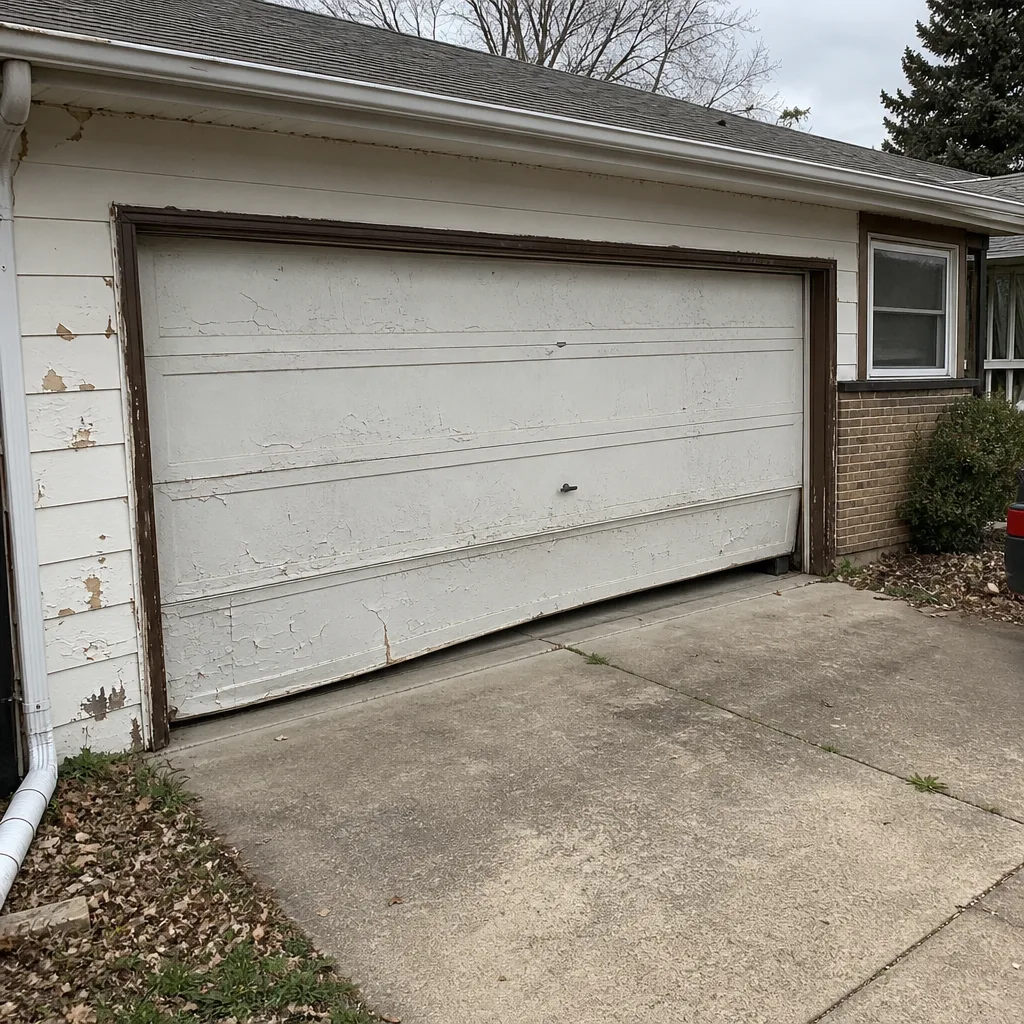 Before
 After
When to Call a Professional
Some maintenance issues you can handle: a squeaky roller, a worn seal, a dusty track. Others are the point where maintenance stops being maintenance and becomes repair. Call a professional if:
- The balance test fails: the door drops quickly or slides open on its own after you disconnect the opener.
- A spring snaps, droops noticeably, or the door won’t lift without significant force.
- A cable is frayed, kinked, or visibly off its drum.
- The door binds, grinds, or hesitates at a particular point in its travel.
- The opener reverses unexpectedly, won’t close the door fully, or responds inconsistently to the remote.
- You see the door coming off its track or a panel visibly out of alignment.
Garage Door Repair Harvey Park offers free estimates in Harvey Park. Call (833) 319-0790. We answer 24/7. Fast dispatch from 7am to 7pm, Sunday through Friday. When we come out, we’ll look at the whole door system from the spring to the opener, not just the one part that’s making noise.
Frequently Asked Questions
Run the balance test and a quick visual inspection once a month, and plan two full lubrication passes per year: one in late fall before the first hard freeze, and one in early spring after the melt. In Harvey Park, the temperature swings make late fall and early spring the two highest-stress windows on a door, so those two passes are the most important. A technician-level inspection of springs, cables, and opener force settings once a year fills in what the owner tasks can’t catch.
Yes, on the metal parts that aren’t under spring tension. White lithium grease works well on tracks and rollers, silicone spray is right for the weather seal and hinges, and light machine oil is fine for pivot points. Use it sparingly and skip the torsion springs if the drum shows any wear. In Colorado’s dry, wide-temperature climate, white lithium and silicone hold up better than heavier products that collect grit. If you’re unsure whether the drum is worn, it’s worth having a technician look before you lubricate.
The balance test tells you whether your springs are carrying the door evenly. A balanced door stays roughly where you release it. A door that drops or slides on its own means the springs are losing tension or unevenly worn. It takes under a minute and requires no tools beyond disconnecting the opener. Done monthly, it’s the earliest warning you get before a spring failure, which is exactly when a planned repair is far cheaper and easier than an emergency one.
Not fundamentally, but they do have model-specific considerations. Wayne Dalton and Amarr are among the brands our technicians are trained on, and both are common in Harvey Park homes. The maintenance checklist is largely the same across brands, but when a part needs replacement, the correct spring size and roller type depend on the door’s model and weight class. That’s why photographing the model plate is worth doing.
The estimate is free, and the price for any work is set per job by a written estimate before anything starts. That means you’ll know exactly what you’re agreeing to before any repair begins. For a maintenance inspection specifically, the technician checks springs, cables, drums, rollers, and opener settings and gives you a written picture of what needs attention. Call (833) 319-0790 for a free estimate.
Don’t try to adjust the springs yourself. Reconnect the opener, stop using the door as much as you can, and call a technician. A failing balance test is a strong signal that a spring is on its way out, and continuing to cycle the door accelerates that failure. Getting Garage Door Repair Harvey Park out for an inspection while the door is still working is far easier than dealing with a snapped spring later. We can also handle garage door installation if the door is beyond economical repair.
The Bottom Line
Garage door maintenance works best when it’s split clearly between what you can safely do and what belongs to a technician. Owner tasks are visual inspection, the monthly balance test, and lubrication of the correct parts with the right products for Colorado’s climate. Technician tasks are spring and cable work, drum inspection, and opener force settings. Run the owner checklist on a Harvey Park seasonal calendar: monthly tests, two lubrication passes, one professional inspection per year. Document what you find. That routine catches most problems while they’re still small, which is the whole point.
For a free estimate on any maintenance or repair item on this list, call (833) 319-0790. We answer 24/7. Fast dispatch from 7am to 7pm, Sunday through Friday. Our technicians have up to 12 years of experience and work on LiftMaster, Chamberlain, Genie, Clopay, Amarr, Wayne Dalton, Craftsman, and Raynor systems, so we can handle the whole door from the spring to the opener.
Written by the team at Garage Door Repair Harvey Park.