
Last updated November 22, 2026
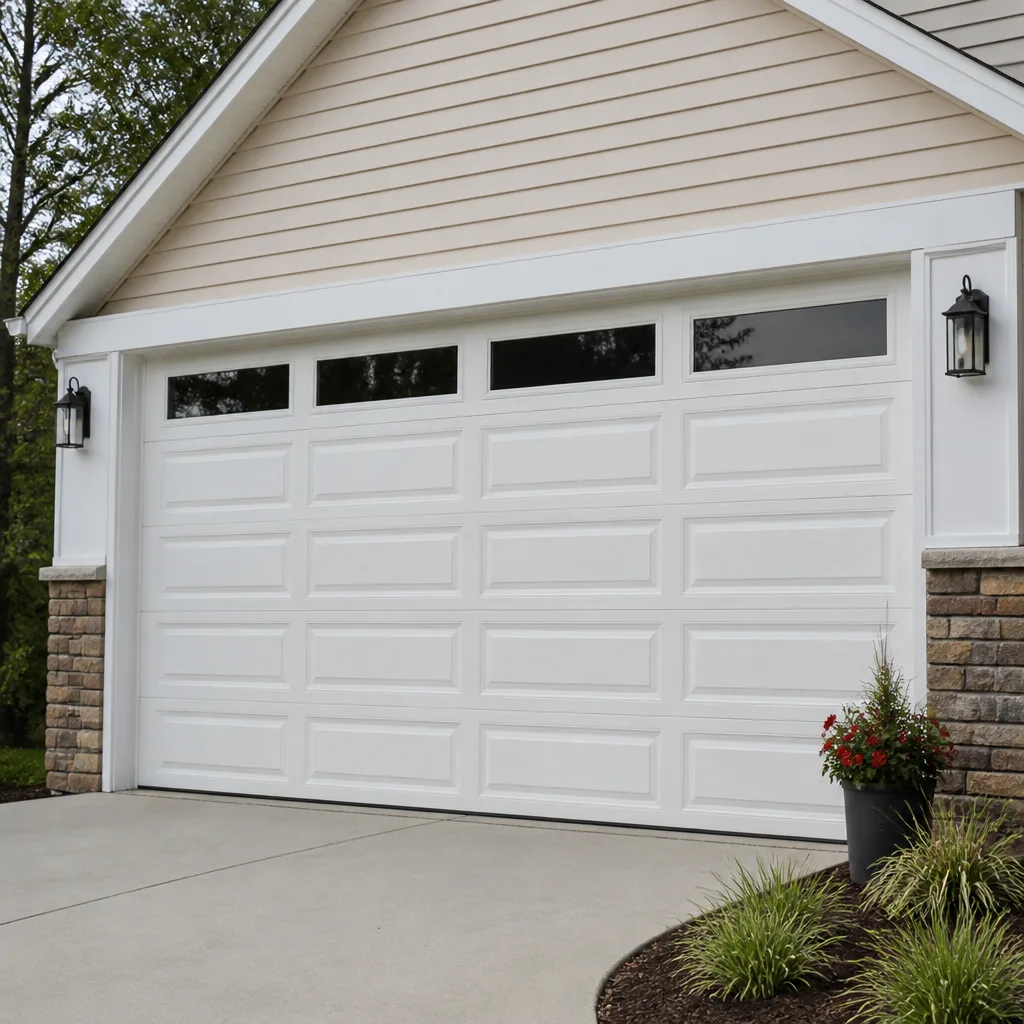 Raised-panel steel
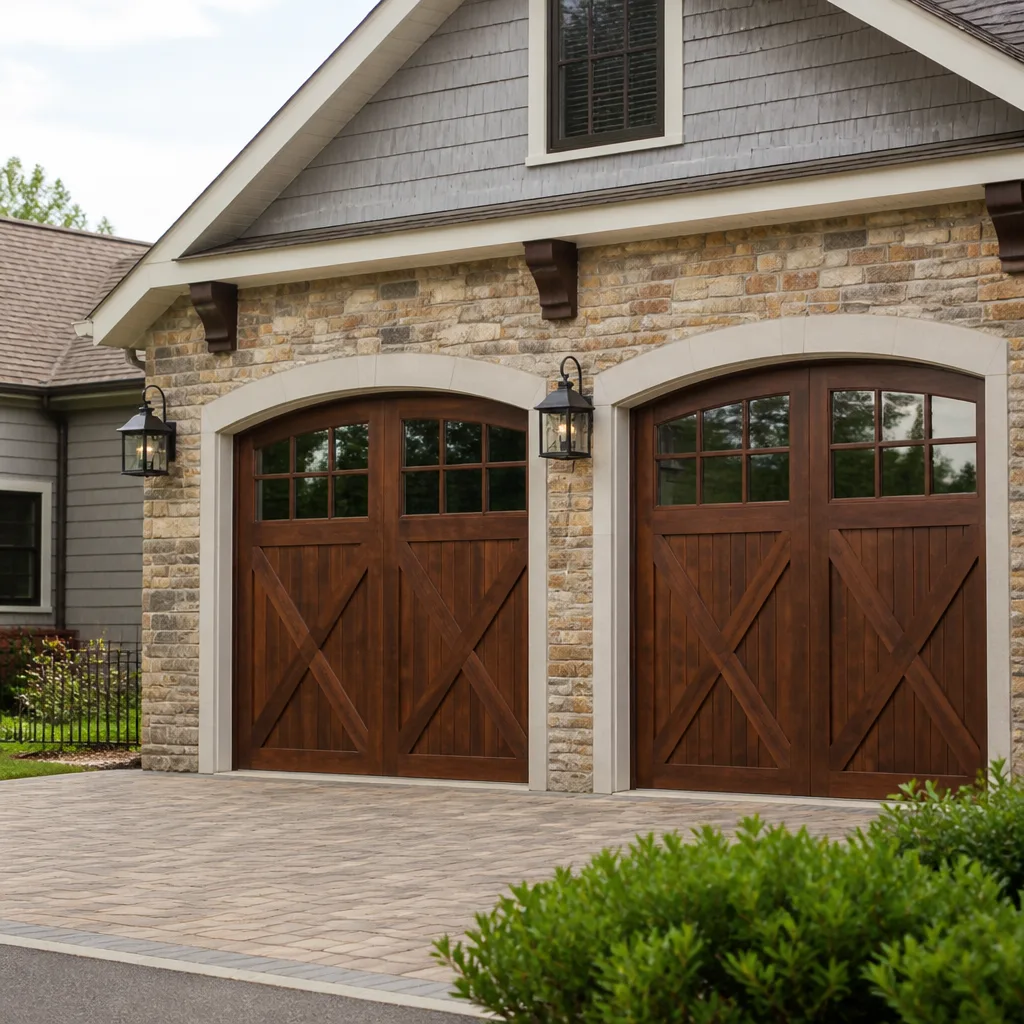 Carriage house
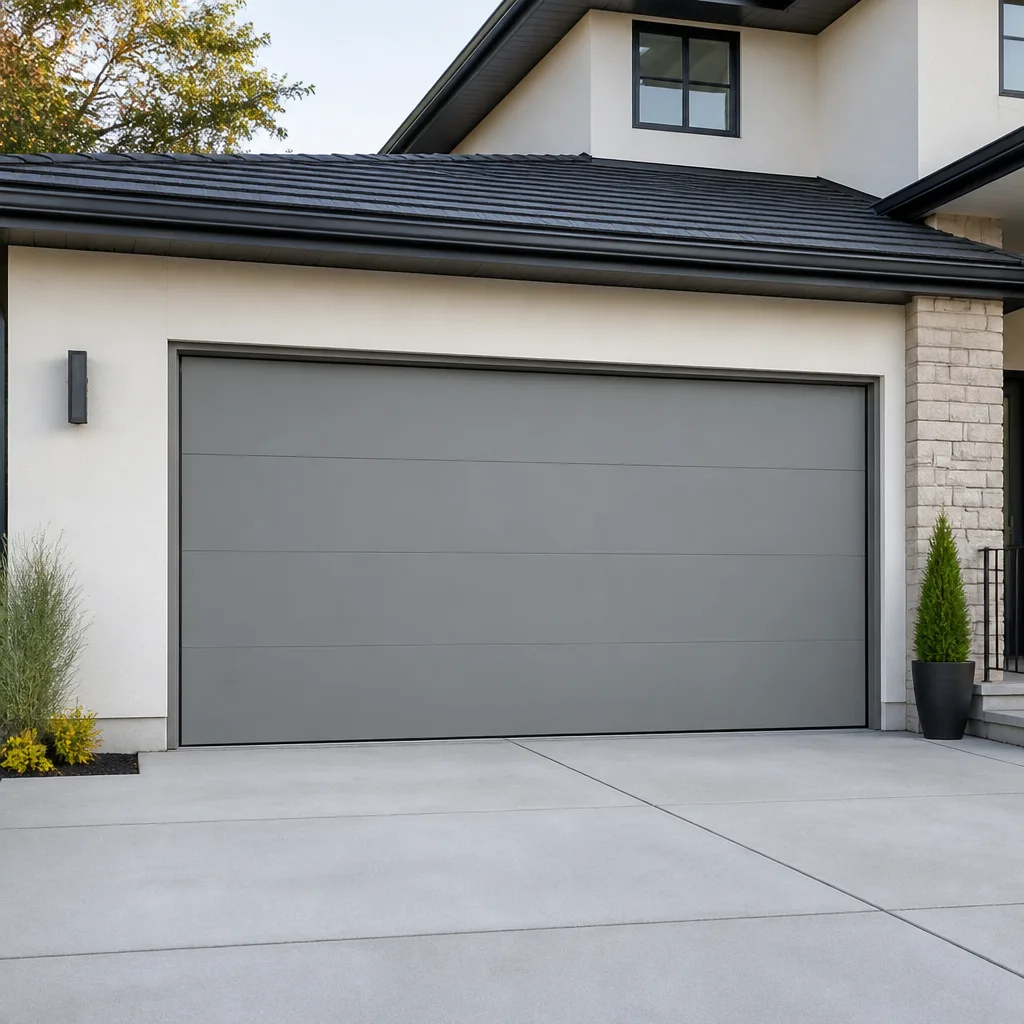 Modern flush
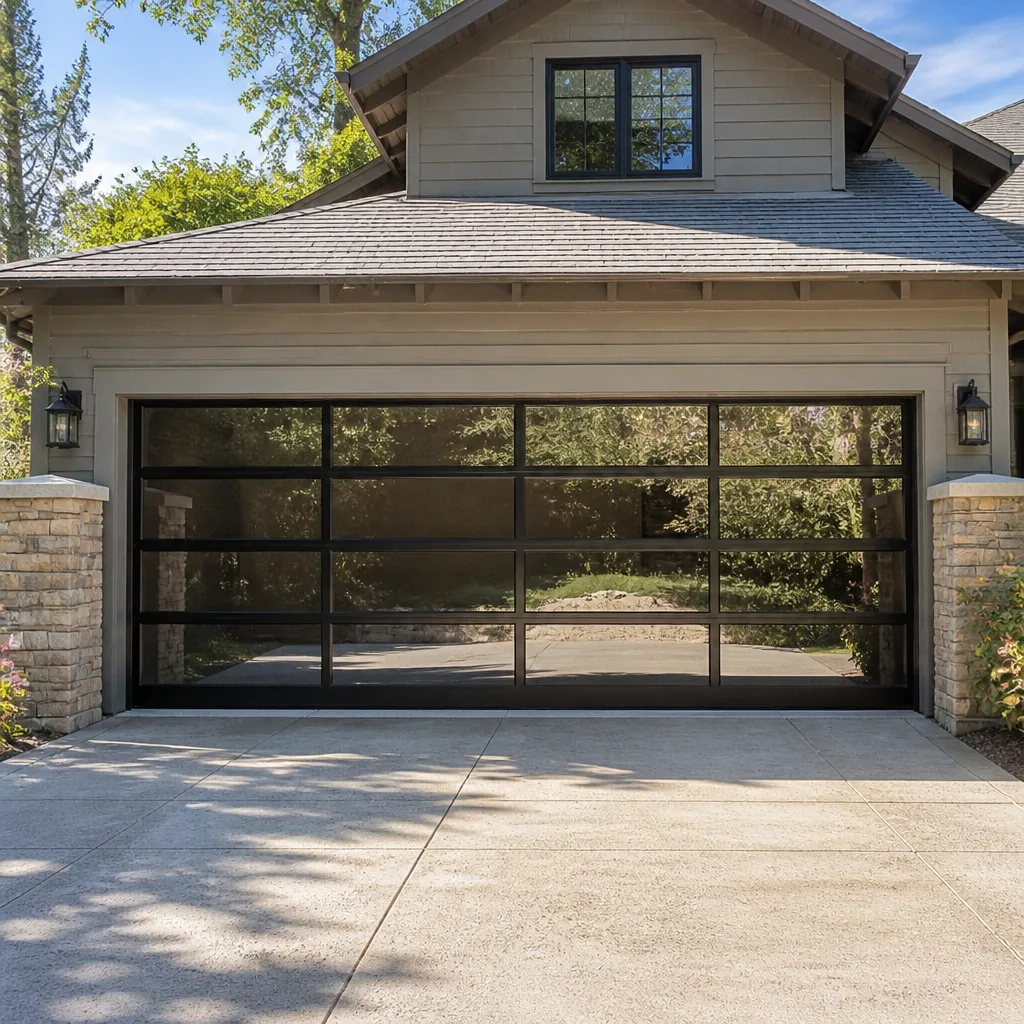 Full-view glass
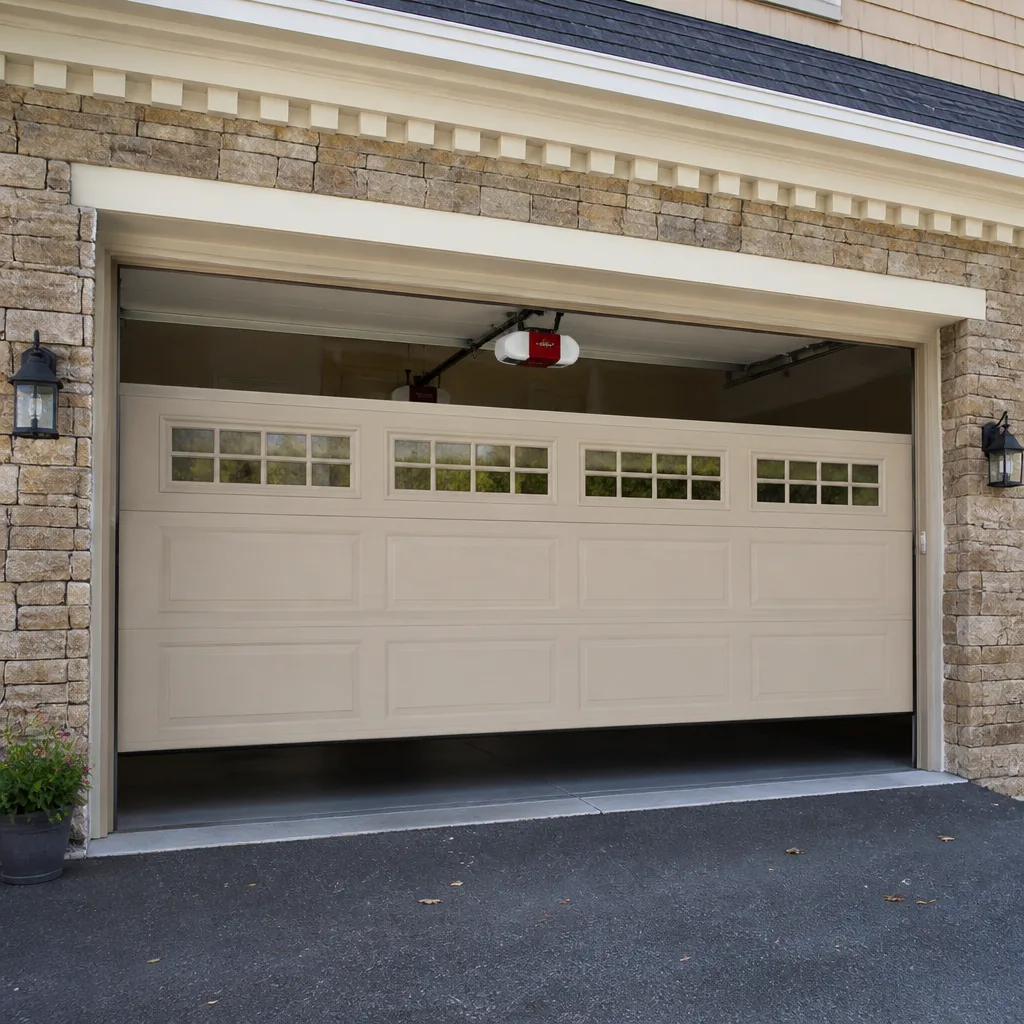 LiftMaster openers
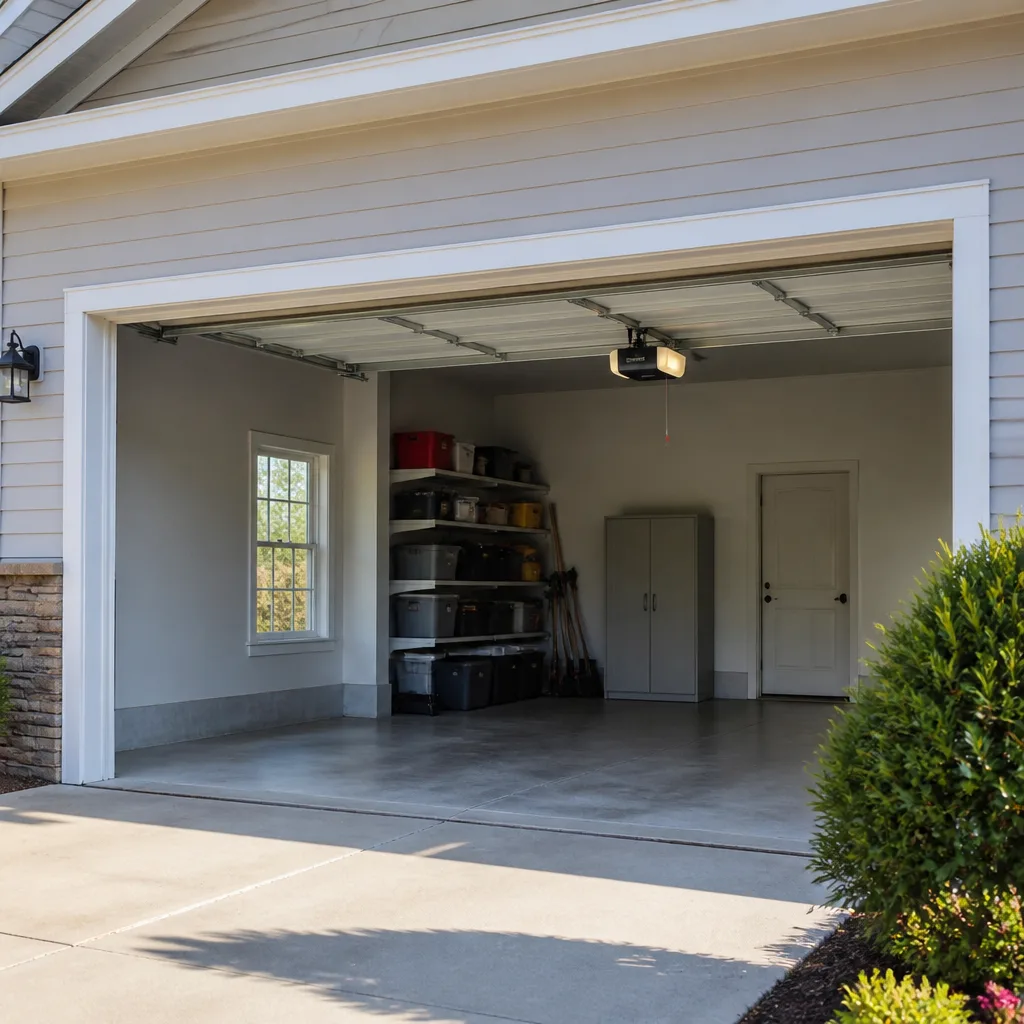 Chamberlain openers
Full 25-point door and opener safety check with every visit - springs, cables, rollers, tracks, and your LiftMaster or Chamberlain opener included
You get a price before we start. It does not change when the pro arrives.
Get your free estimateGarage Door Repair Maintenance Schedule: What to Do and When
Most garage door advice treats every part as if it ages on the same clock. It doesn’t. The number one cause of a snapped torsion spring isn’t old age – it’s lubrication skipped at the one interval that actually matters. Springs, rollers, cables and opener settings each wear on their own timeline, so a single “quarterly checkup” misses the parts that are quietly failing. In this guide we break the schedule down by component lifecycle instead of calendar month, walk through which lubricant belongs on which part, add a pre-winter tension check for Harvey Park’s cold snaps, and give you a 15-minute no-tools inspection you can run before anything breaks.
Quick Answer
A garage door needs lubrication and balance checks every year, roller inspection every two years, annual cable and spring inspections, and opener force-setting checks twice a year. You don’t need monthly maintenance. You need the right task at the right interval. In Harvey Park, add one pre-winter torsion spring tension check before temperatures drop below freezing.
Styles & brands we work with
- Raised-panel steel
- Carriage house
- Modern flush
- Full-view glass
- LiftMaster openers
- Chamberlain openers
Table of Contents
- Why the Timing Matters More Than the Task
- Springs: The Yearly Check That Prevents a Breakdown
- Rollers: Replace Every Two Years, Inspect Every Year
- Cables: Inspect Annually, Replace at First Fray
- Opener Force Settings: Adjust Twice a Year
- Which Lubricant Goes Where
- Harvey Park Pre-Winter Prep
- The One Task Homeowners Skip
- The 15-Minute Pass/Fail Checklist
Why the Timing Matters More Than the Task
Every part on a garage door has a natural wear rate, and those rates are wildly different. A torsion spring cycles through its full energy load every time the door opens, which is why it’s rated in cycles rather than years. Rollers take a fraction of that load but degrade slowly from grit and dried bearings. Cables barely move but hold constant tension that eventually creases the strands. The opener motor runs short bursts but its force settings drift as the door’s balance changes.
When you lump all of this into a single “maintenance” reminder, you over-serve one part and ignore the others. A door that gets wiped down monthly but never has its springs tensioned is a door that fails. A door that gets a full service every quarter but has the wrong grease on the tracks is also a door that fails.
Here in Harvey Park, the door cycle count matters more than most homeowners realize. Our climate means door seals get more work from wind-driven dust and temperature swings that the door has to fight through. A door on a busy household that opens six or eight times a day accumulates the same cycles in four years that a quieter door might take a decade to reach.
That’s why this schedule is built around part lifecycles. Once you know which parts wear fast and which wear slow, you can stop guessing and just work the list at the right interval. For a full breakdown of what each service covers, our garage door repair page explains how we handle the parts that wear out.
Springs: The Yearly Check That Prevents a Breakdown
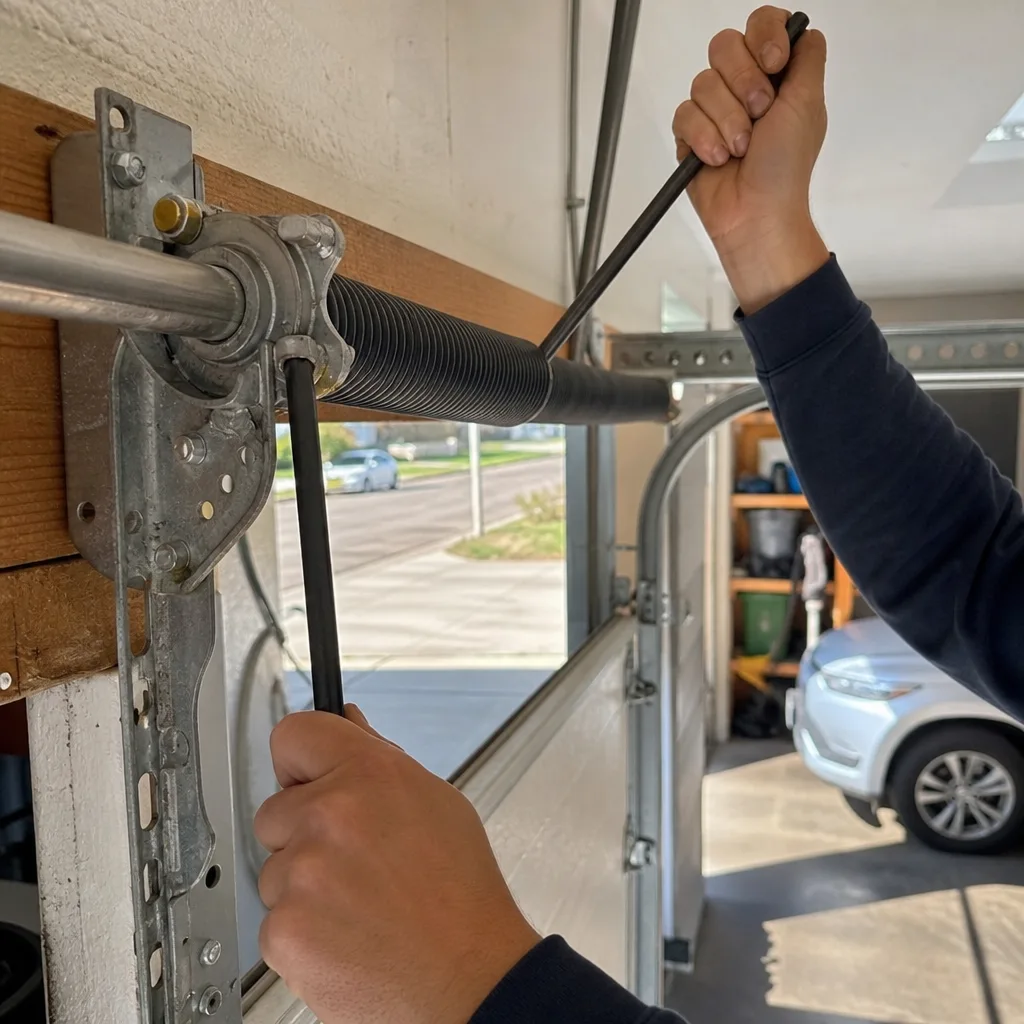
Torsion springs should be inspected once a year and lubricated annually. They are the single most dangerous component on the door, and the most common reason a door suddenly stops opening. The good news is that a yearly inspection is cheap and quick. The bad news is that most homeowners confuse “it still lifts the door” with “it’s healthy.”
What to look for during a spring check:
- Gaps in the coil – a spring that has stretched visibly is losing tension even if the door still lifts.
- Rust or pitting at the coil ends, which is where a break usually starts.
- Uneven lift – one side going up faster than the other can trace back to spring imbalance.
- A door that doesn’t stay level when raised halfway by hand.
Here’s the safety caveat that matters most: never touch a torsion spring yourself. The springs are under enough load to cause serious injury if they let go during a repair attempt. Lubricating the coil is fine for a homeowner. Adjusting it is not. When the spring shows any of the warning signs above, our team handles it on-site. We’ve seen how fast a tired spring becomes a broken one, and it’s a job for trained hands.
For Harvey Park, add one more check: spring tension before the first hard freeze. Colorado’s temperature drops change spring calibration, and a door that worked all summer can feel out of balance by late October. It’s a one-minute inspection that saves a cold-morning call. For the full spring service story, see our Garage Door Repair Harvey Park page.
Rollers: Replace Every Two Years, Inspect Every Year
Rollers should be replaced every two years and inspected yearly. This is the part homeowners most often ignore because a degrading roller never announces itself – it just makes the door a little noisier each month until the noise becomes normal.
There are two kinds of rollers to know about. Plastic rollers are quieter but wear through faster. Steel rollers last longer but transfer more noise to the door. Whichever you have, the wear pattern is the same: the bearing dries out, the roller stops rolling smoothly, and it starts sliding instead, which grinds the track itself.
A simple yearly check without tools:
- Open the door halfway and stop it.
- Look up the track at each roller and confirm it still spins freely when the door moves.
- Look for flat spots on the roller surface.
- Look for cracks at the stem where the roller meets the door bracket.
At the two-year mark, plan to replace all of them at once. Mixing new rollers with worn ones puts uneven load on the door and the opener. It’s the same reason a matched set of components works better than a patch. When we’re in the room for a roller job, we often find the tracks are out of alignment too, which shortens roller life. That’s a full-system look, and it’s why we see the whole door in one visit.
Cables: Inspect Annually, Replace at First Fray
Garage door cables should be inspected once a year and replaced the moment you see a fray. Cables are the quiet part of the system right up until one snaps, and at that point the door can drop or jump the track. A cable under tension fails without warning, so the yearly inspection is your early warning.
What to look for during a cable inspection:
- Broken or kinked strands, which look like a frayed rope.
- Rust along the cable length.
- Sagging cable on either side of the door.
- Cables that have pulled loose from the drum on top of the door.
Never put your hand on a cable to test it by feel while the door is under tension. The safest check is visual, from the side, with the door closed. If anything looks wrong, that’s a stop-what-you’re-doing signal.
Cables are another one we handle as a matched service alongside springs and rollers. The parts are not exotic, and replacing a cable before it snaps is a short job compared to a door that’s jammed in the open position. Our team carries the common cable and roller parts so the job doesn’t sit waiting on a supplier – “parts on hand, problem solved faster” is a real difference when the door is stuck. Our garage door opener repair service page covers the electronic side of the same system if the problem turns out to be the motor rather than the cable.
Opener Force Settings: Adjust Twice a Year
Opener force settings should be checked and adjusted twice a year. This is the part of the schedule homeowners almost never do, and it’s the one that most often voids the opener warranty. The force setting controls how hard the opener pushes to lift the door. When a door’s balance drifts – because a spring has aged or a roller has worn – the opener compensates by pushing harder. That extra force is what burns up the gears and the motor on a Genie, Chamberlain, LiftMaster or Craftsman unit.
The check is simple. With the door disconnected from the opener (most openers have a manual release), lift the door by hand to about halfway. A balanced door should stay put or drift slowly. If it falls or requires real effort to lift, the mechanical side needs attention before the opener does.
Twice a year – once in spring, once in fall – test the safety reverse. Place a small piece of wood or a folded cloth under the door and close it. The door should reverse on contact. If it doesn’t, the sensor or the force setting needs attention. We work on the brand already in your garage, so whether it’s a Genie, a Wayne Dalton door paired with a Chamberlain opener, or a Clopay door on an older unit, the setting is a known adjustment.
Harvey Park’s seasonal temperature swings make this check more important than in milder climates. The same door can pass a force test in July and fail it in January because the door’s balance has shifted with the cold. Our team sets up new openers and re-tunes existing ones, which matters when the door is heading into winter.
Which Lubricant Goes Where
Most garage door failures from “maintenance” come from using the wrong product on the wrong part. A white lithium grease on a roller is fine. The same grease on a track collects grit and turns into grinding paste. The same grease on a plastic roller eats the plastic. Matching the product to the part is as important as doing the task at all.
- Springs and hinges: a garage door lubricant or white lithium grease. Apply sparingly along the coil; a heavy coat attracts dust.
- Rollers: light oil on steel rollers at the bearing only. Never grease a plastic roller.
- Tracks: nothing. Tracks should be wiped clean with a dry cloth. Lubricant on the track pulls in Harvey Park’s wind-blown grit.
- Weather seal: a silicone spray to keep the rubber from drying and cracking, especially before the cold season.
- Opener chain or screw drive: the manufacturer’s specified lubricant, not a general-purpose grease. Check the manual for the brand in your garage.
Wrong product on the wrong part means accelerated wear, noise and a roller that fails early. This is one of the few places where the “do it yourself” instinct can cost more than the professional call.
Harvey Park Pre-Winter Prep
Harvey Park sits in a cold-winter climate, which changes what “maintenance” means for a garage door. The single most useful local task is a pre-winter torsion spring tension check. Colder temperatures tighten the door’s balance, and a spring that was calibrated in summer can leave the door fighting the opener by December.
Before the first hard freeze, do three things:
- Check that the door lifts and lowers smoothly with no drag.
- Confirm the weather seal at the bottom of the door sits flush. Cold air leaking under a worn seal is a common reason a garage stays cold.
- Run the safety reverse test one more time, since the cold can also strain the sensors.
If the door shudders, jumps or reverses on its own, that’s a sign the mechanical side needs attention before winter sets in. We handle spring and cable work year-round and can check the balance before the season turns. Our garage door installation service exists for the moment when repair stops making sense, and a door that’s been patched more than a couple of times is often a candidate.
The One Task Homeowners Skip
The task most homeowners skip is the annually documented inspection. Here’s why it matters: most opener warranties, across every major brand, require proof of regular maintenance for a claim to be honored. That’s a warranty term, not a company policy – it’s in the manual that came with the Genie, Chamberlain or Craftsman opener already on your ceiling.
In practice, homeowners remember to change the oil in the car and forget the door because it’s a closed box. The door opens, the door closes, so it must be fine. But the parts that cause the most expensive damage – springs and cables – fail silently. An annual inspection catches those early, and a paper trail of maintenance is what keeps the opener’s warranty intact if the motor does fail.
Keep a simple record: date, what was checked, and any parts replaced. Two lines per visit. It’s the difference between a warranty repair and an out-of-pocket replacement.
The 15-Minute Pass/Fail Checklist
Run this no-tools inspection every year, and run the force and safety checks twice a year. Each item is pass or fail: if any item fails, it’s a call.
- Door balance: disconnect from the opener and lift the door to halfway. A balanced door holds or drifts slowly. Fail if it drops.
- Springs: look for gaps, rust or a visibly stretched coil. Fail if you see any.
- Cables: look for fray, rust or sag on both sides. Fail on any fray.
- Rollers: open the door partway and confirm each roller turns freely with no flat spots.
- Tracks: look for dents, bends or debris. Fail if the door binds at any point in its travel.
- Weather seal: check that the bottom rubber sits flush to the floor.
- Safety reverse: place a folded cloth under the door and close it. The door should reverse on contact.
- Noise: a grinding or scraping sound is a fail. A dull hum is normal.
If every item passes, you’re done for the year. If one fails, don’t wait for the next season to find out why. A small fix in Harvey Park in October is a much shorter call than a door stuck open in February.
Common Mistakes to Avoid
- Treating all parts as if they wear at the same rate. Rubber rollers fail years before springs do, and cables fail silently while rollers announce themselves.
- Lubricating the tracks. A greased track pulls in outdoor grit and turns into grinding paste, and that’s true across Harvey Park’s dusty winter winds.
- Skipping the pre-winter spring check. Cold temperatures shift the door’s balance, and a door that worked all fall can feel tight by December.
- Replacing one roller and leaving the rest. Mixed wear puts uneven load on a door that was built to work as a set.
- Ignoring the safety reverse. It’s the single quickest test on the list and the one that most often reveals a sensor or opener problem.
- Assuming the opener is the problem when the door is out of balance. The opener is almost always doing exactly what it was told, and the balance is what’s wrong.
- Attempting a spring or cable repair yourself. The parts are under load, and the risk to a homeowner with no training is real. Leave those two to a specialist.
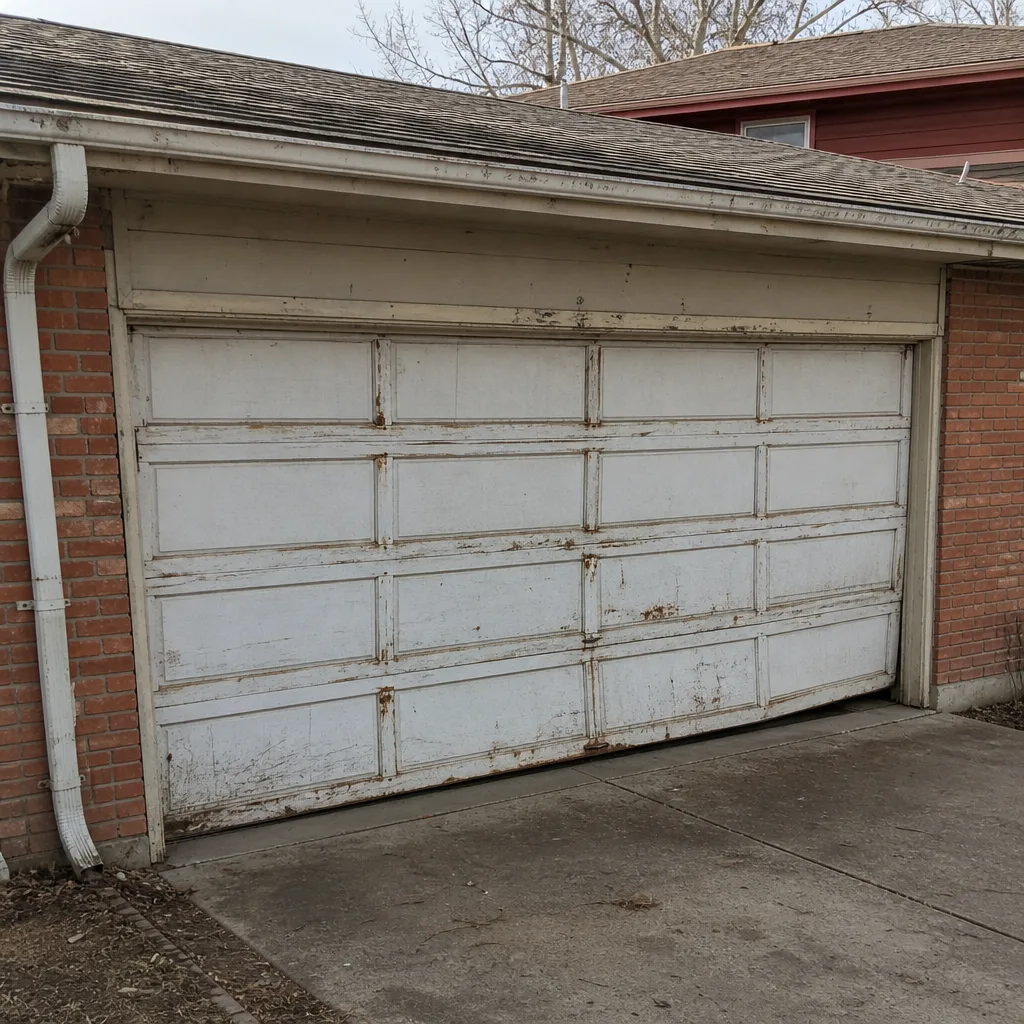
See the difference
 Before
 After
 Before
 After
 Before
 After
When to Call a Professional
Call a professional the moment the door stops moving smoothly, the spring shows visible damage, the cable frays, or the opener reverses on its own without an obstruction. Those are the signs a homeowner can’t fix safely at home. Our team works the full system from the spring to the opener, and we handle the brands most homes in Harvey Park already have installed.
If you’re mid-schedule and something looks wrong, we can help. Garage Door Repair Harvey Park offers free estimates in Harvey Park – call (833) 319-0790. We answer 24/7. Fast dispatch from 7am to 7pm, Sunday through Friday. Every price is quoted and agreed before any work starts, so the estimate is the price.
Frequently Asked Questions
Once a year is enough for most parts: springs inspected and lubricated, cables checked, rollers inspected, and the full checklist run. Twice a year, add the opener force and safety reverse tests. Monthly maintenance is unnecessary, and the yearly rhythm is the one that actually matches part lifecycles. Call (833) 319-0790 if your door is due – estimates are free.
The annual spring inspection and lubrication is the highest-value task on the schedule. Springs carry the entire weight of the door, and a spring that fails without warning is the most expensive and dangerous breakdown a garage door can have. The yearly check catches the visible warning signs before a break. Call (833) 319-0790 for a spring check.
Yes, for the springs, hinges and weather seal. Use a garage door lubricant on springs and hinges sparingly, and never grease a track or a plastic roller. Cables and spring tension adjustments should be left to a professional because they’re under load. If you’re unsure which part needs what, call (833) 319-0790.
About every two years is the standard interval for a busy household. Inspect yearly for flat spots, cracks and any roller that won’t spin freely. Replace the full set rather than one or two at a time so the door wears evenly. A Harvey Park household that uses the door several times a day gets there faster. Call (833) 319-0790 for a roller check.
Yes. Cold weather changes the door’s balance, and a torsion spring calibrated in summer can feel off by winter. That’s why Harvey Park homeowners should run a pre-winter tension check. A door that shudders or reverses on its own in the cold needs attention before the next freeze. Call (833) 319-0790 if the door is fighting the cold.
The warranty claim may be denied. Most opener warranties require documented routine maintenance, and without a record of it the manufacturer can decline the claim on a Genie, Chamberlain or Craftsman unit. An annual inspection with a simple two-line record is what keeps the warranty valid. Call (833) 319-0790 for a full-system check.
The Bottom Line
A garage door doesn’t need more attention, it needs the right attention at the right intervals. Springs get a yearly look. Rollers get replaced every two years. Cables get an annual visual check. The opener gets a force and safety test twice a year. In Harvey Park, add one pre-winter spring tension check before the cold sets in. Run the 15-minute pass/fail checklist once a year, keep a two-line record, and the door will outlast the schedule itself. The parts that fail silently are the ones that cost the most, and a trained specialist catches them before they do.
If any part of your door is past due, we’re ready to help. Call (833) 319-0790 for a free estimate. We answer 24/7. Fast dispatch from 7am to 7pm, Sunday through Friday. The price is quoted and agreed before any work begins, and the written estimate sets the final number. Our technicians have up to 12 years of experience, we work the brand already in your garage, and we cover everything from the spring to the opener.
Written by the team at Garage Door Repair Harvey Park.