
Last updated November 22, 2026
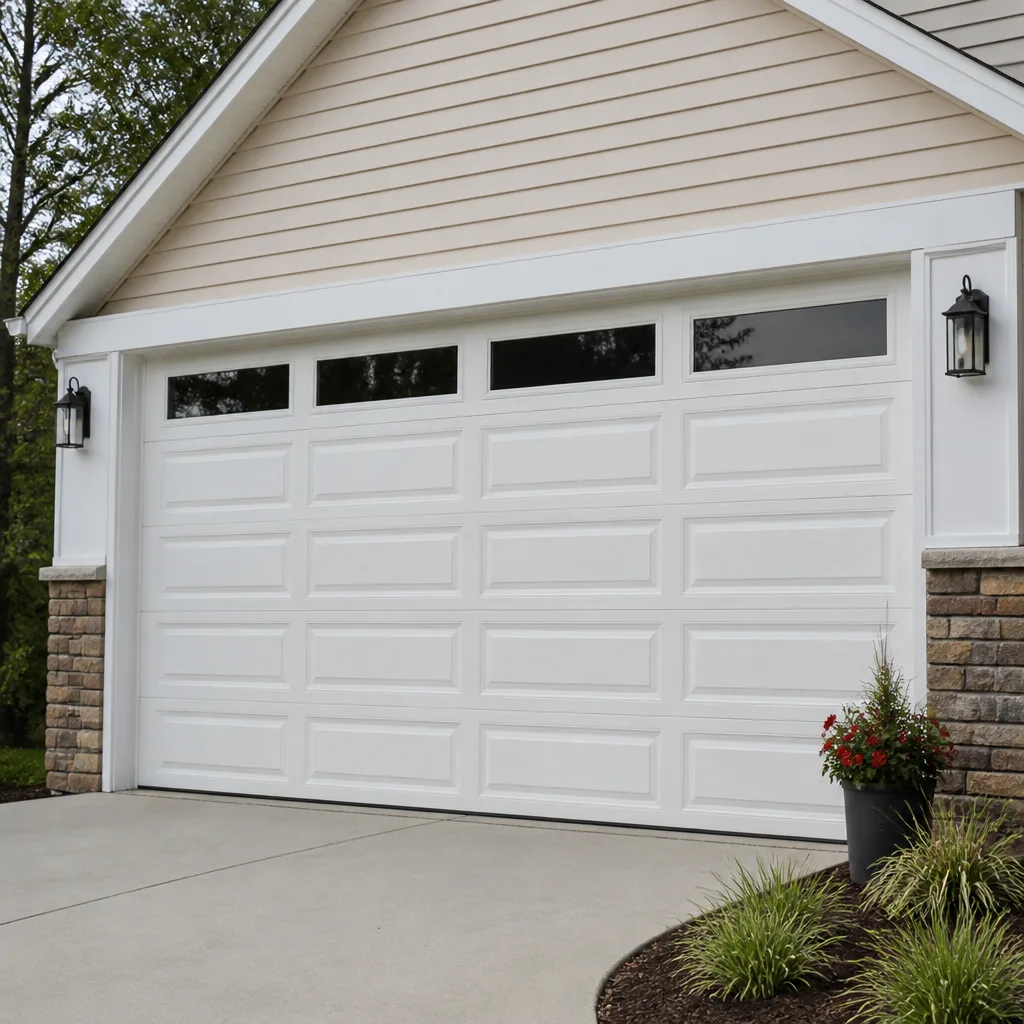 Raised-panel steel
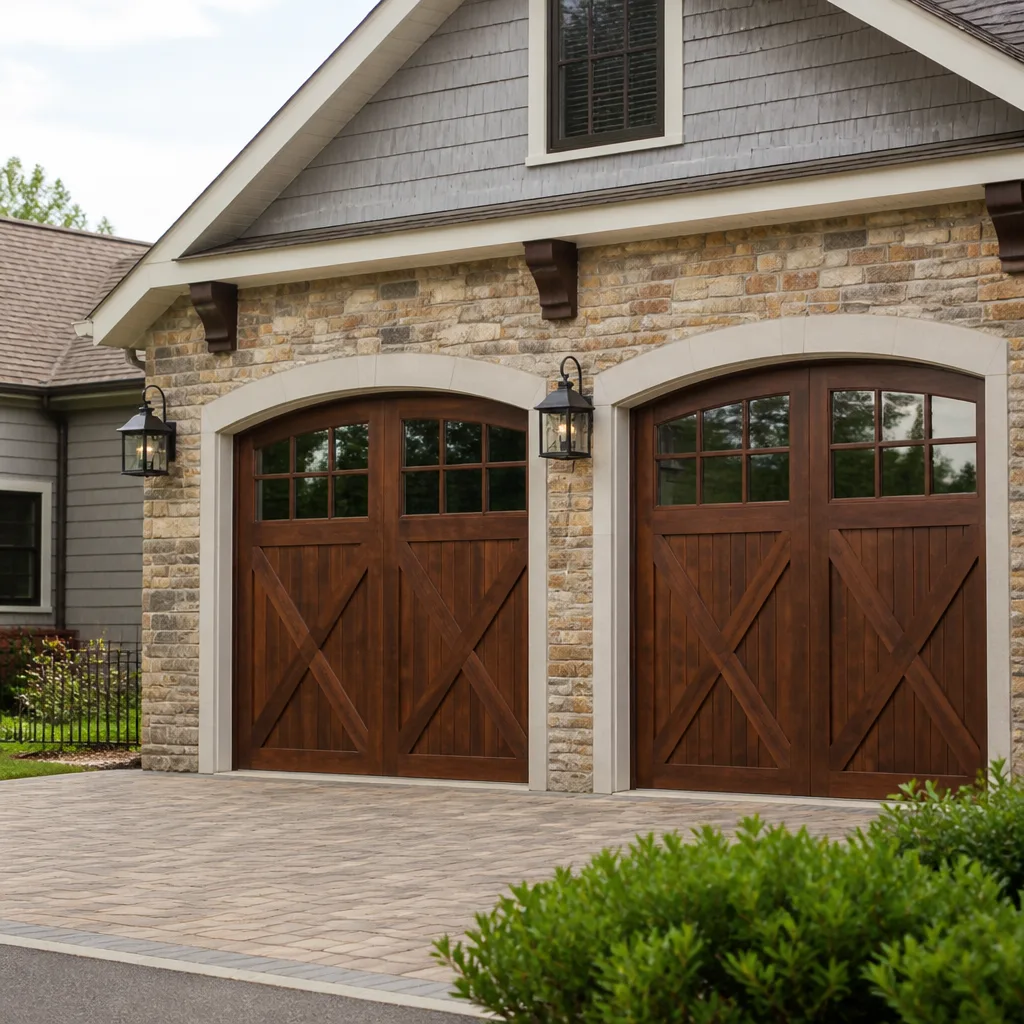 Carriage house
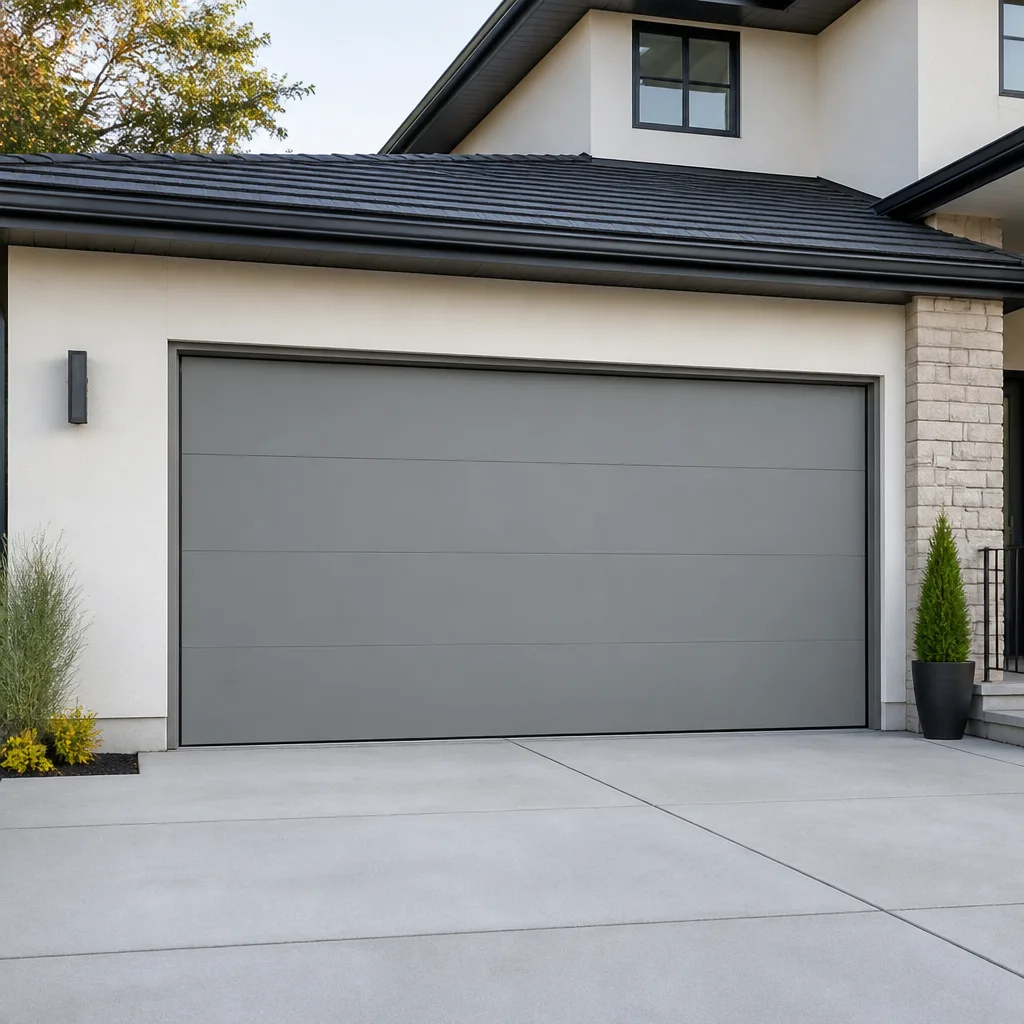 Modern flush
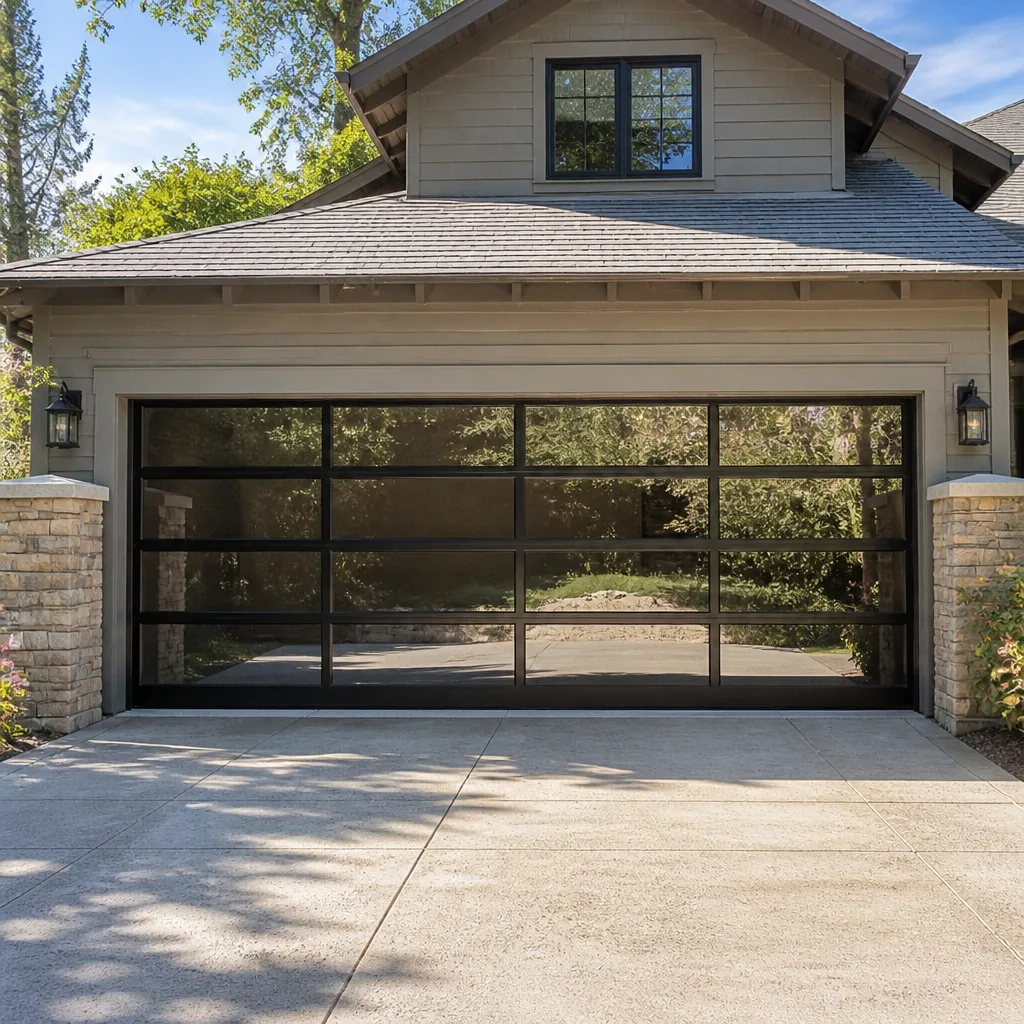 Full-view glass
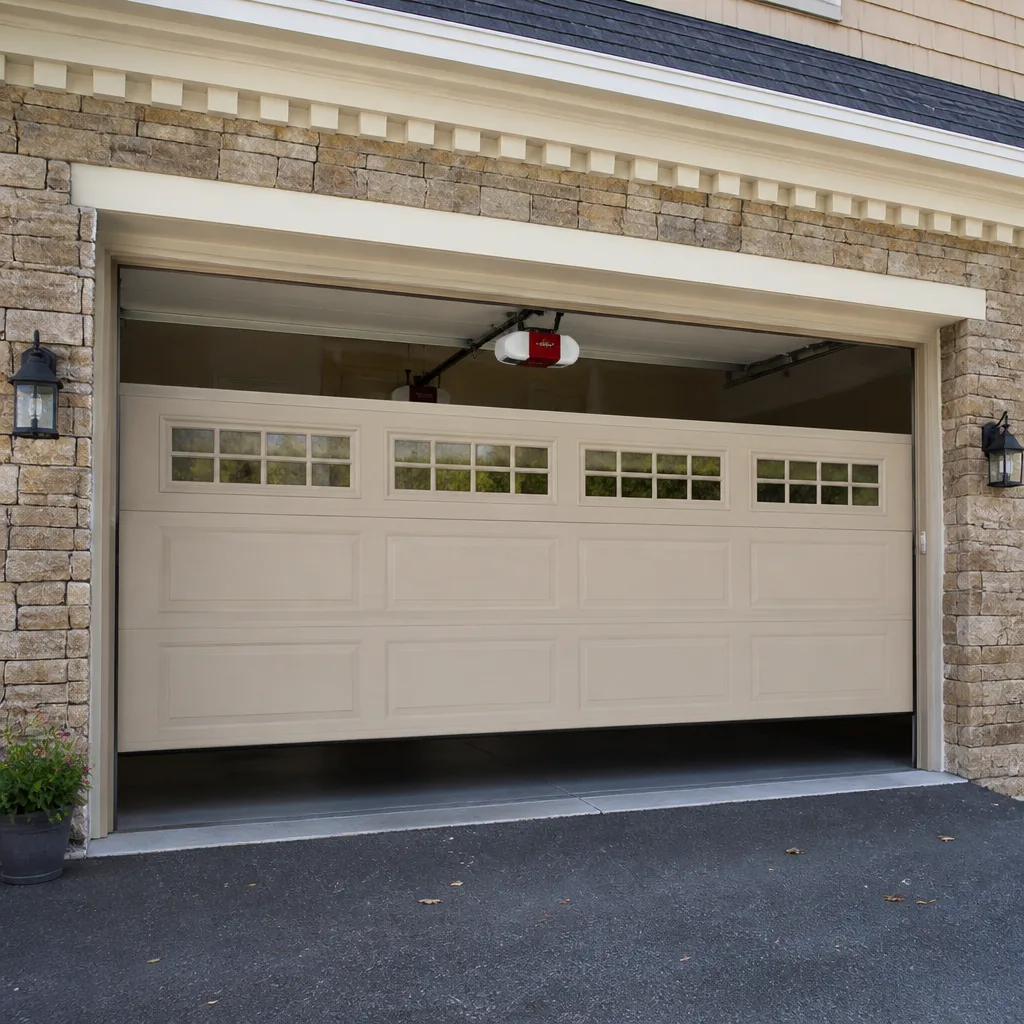 LiftMaster openers
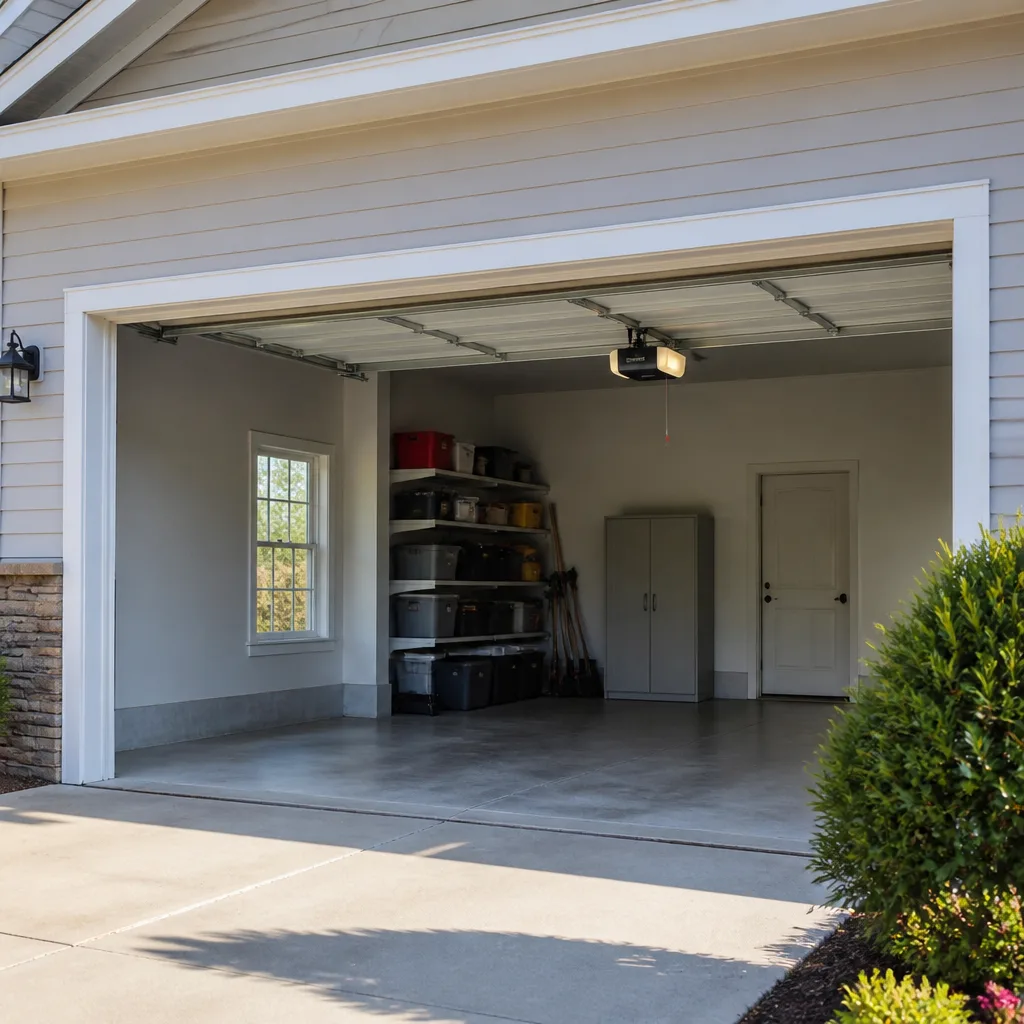 Chamberlain openers
Full 25-point door and opener safety check with every visit - springs, cables, rollers, tracks, and your LiftMaster or Chamberlain opener included
You get a price before we start. It does not change when the pro arrives.
Get your free estimateDIY vs Professional Garage Door: The Harvey Park Homeowner’s Decision Guide
Most garage door advice splits the world into two tidy groups: things you can fix yourself, and things you can’t. That’s the wrong line. The real line runs through the door itself, and it’s about stored energy. A torsion spring under tension holds enough force to seriously hurt someone, and a handful of other components carry the same risk. Everything else – the seals, the rollers, the sensors, the keypad – a capable homeowner can handle with basic tools and a free afternoon. This guide draws that line clearly, task by task, without condescension. By the end you’ll know exactly which jobs in a Harvey Park garage are safe to take on and which ones deserve a trained technician.
Styles & brands we work with
- Raised-panel steel
- Carriage house
- Modern flush
- Full-view glass
- LiftMaster openers
- Chamberlain openers
Quick Answer
In a Harvey Park garage, DIY is safe for weatherstripping, lubricating hinges and rollers, programming a keypad, and aligning safety sensors. DIY is genuinely dangerous – not just inconvenient – for torsion springs, extension springs, cables, cable drums, and the bottom bracket, because those parts store and release physical force that can cause serious injury in a fraction of a second. Anything involving the opener’s internal wiring or the door’s counterbalance system should go to a trained professional. The rest is yours if you want it.
Table of Contents
- The Hard No-DIY List (And Why)
- What You Can Genuinely Do Yourself
- DIY vs Professional: The Real Cost Comparison
- Does Your Door’s Configuration Change the Math?
- What to Check Before You Call a Technician
- Brand Familiarity and Parts: Why It Matters
- Harvey Park-Specific Considerations
- Common Mistakes to Avoid
- When to Call a Professional
- Frequently Asked Questions
- The Bottom Line
The Hard No-DIY List (And Why)
The list of garage door parts a homeowner should never touch is short. It is also absolute. These aren’t jobs that are hard to get right after a few tries. They are jobs where a single slip can break a bone or worse, no matter how careful you are or how many videos you’ve watched.
- Torsion springs. A torsion spring is mounted horizontally above the door and holds the door’s full weight in balance. It stores a large amount of rotational energy, and when it’s under load, that energy is waiting to release. Winding or unwinding one requires two specialized bars and a very specific sequence – and if a bar slips out of position, the spring can unwind violently and the bar can swing free. That’s the mechanical reason tutorials are risky: they show the winding, not the failure.
- Extension springs. These run along the horizontal tracks and stretch rather than twist. They carry the same stored energy in a different direction, and a failing extension spring can snap with force. Older doors sometimes use these without a safety containment cable, which is one more reason to leave them to a pro.
- Cables. The lift cables are under extreme tension whenever the door is closed. They run through pulleys and attach at the bottom bracket. A cable that slips or is cut under tension can whip with enough force to cut or injure. Never cut, loosen, or re-route a lift cable yourself.
- Cable drums. These are the spool-shaped fittings at each end of the torsion shaft that the cables wind onto. They are part of the counterbalance system and only make sense to service once the springs are properly de-tensioned – which brings you right back to the first item on this list.
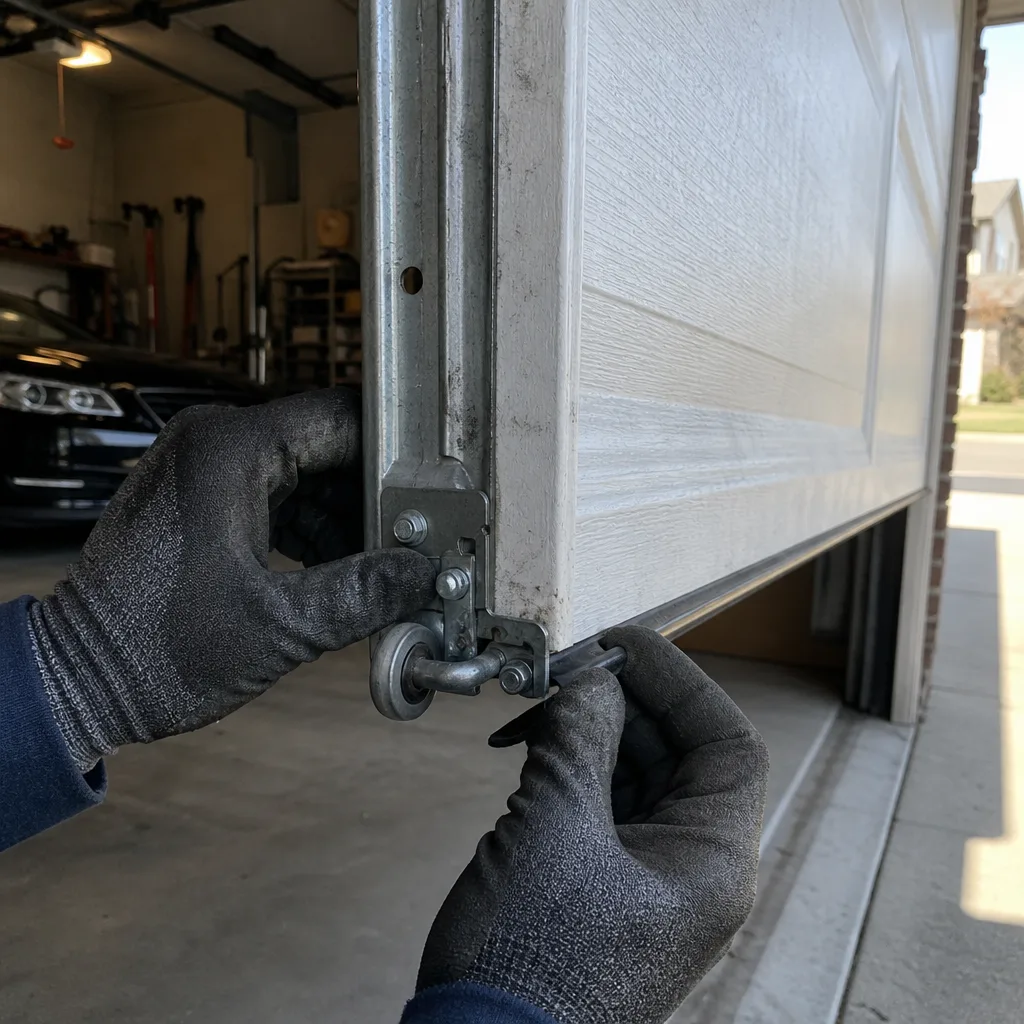
- The bottom bracket. This is the metal plate at the bottom corner of the door where the lift cable attaches. It is under constant tension from the cable and is one of the most hazardous parts on the entire door to handle. Never loosen the bolts on a bottom bracket.
If you take one thing from this guide, make it this: springs and cables are not a skill-level question. They’re a stored-energy question. That’s why we handle spring repair as a core service – not a side job – and why we’d tell any Harvey Park homeowner the same thing whether they call us or not.
What You Can Genuinely Do Yourself
The flip side is that a real chunk of garage door maintenance is safe, cheap, and satisfying to do yourself. Here’s the practical scope.
- Replace the bottom weather seal. The rubber or vinyl seal along the bottom of the door takes a beating from sun and temperature swings. A replacement seal slides into the aluminum retainer or attaches with the existing hardware. With the door closed, pull the old seal out, slide the new one in, and check that it contacts the floor evenly across the width.
- Lubricate hinges, rollers, and the torsion shaft bearings. A garage door that shrieks or grinds usually just needs lubrication. Use a garage-door-rated spray lubricant – not heavy grease – on the hinge pivots, roller stems, and bearing plates. Wipe off excess so it doesn’t attract grit. Do not lubricate the torsion spring itself with anything heavy; a light film on the coils is enough, and you should never be handling the spring’s tension to do it.
- Program your keypad or remote. This is pure button-work. Whether you’re setting up a Genie keypad or pairing a new remote to the opener, the manual has the exact sequence, and it takes minutes. No tools beyond a ladder to reach the opener’s control panel.
- Align the safety sensors. The two small lenses near the floor at each side of the door shoot an invisible beam across the opening. If the door won’t close and the opener’s light blinks, the beam is interrupted. Wipe the lenses, check that neither is knocked out of line, and adjust the bracket until the indicator light on each sensor is steady.
- Clear the tracks of debris and tighten what’s loose. Leaves, grit, and small objects in the vertical tracks cause binding and noise. A shop vac and a rag handle most of it. Tighten any obviously loose track bracket bolts by hand, but don’t try to bend or realign the track itself – that’s a precision job.
These tasks cover most of what makes a door noisy, drafty, or stubborn. When they don’t solve the problem, the issue is usually above your head – literally.
DIY vs Professional: The Real Cost Comparison
Homeowners often compare the price of a part at a hardware store to the price of a repair and conclude DIY is cheaper. That’s an incomplete comparison. Here’s what the honest cost picture looks like.
- Tool investment. A DIY spring replacement requires winding bars and the right sockets – tools you’ll probably use once. If you buy them, you’ve spent money before you’ve saved any. A pro already owns them.
- Retail vs. trade pricing on parts. Retail markup on garage door components is real. A technician who sources parts as part of the job isn’t paying retail shelf prices for common components, so the parts cost baked into an estimate is often closer to fair than it looks.
- The callback cost. If a DIY repair doesn’t hold – the door goes off-balance, the seal fails, a sensor drifts out of alignment – you pay again, either in more parts or in a professional visit to fix what went wrong. The first attempt stops being a savings and becomes a sunk cost.
- The injury cost. This is the one that doesn’t show up in a spreadsheet. A serious injury from a spring or cable carries medical cost and worse. That risk has no dollar value you can budget for.
For weatherstripping, lubrication, and sensor work, DIY wins on cost every time. For springs, cables, and openers, the professional estimate is usually the cheaper path once you account for tools, callbacks, and risk. That’s the trade-off, stated plainly. For a clear picture of what specific repairs run in this market, see our page on Garage Door Repair Harvey Park.
Does Your Door’s Configuration Change the Math?
Not every garage door is built the same way, and some configurations push more of the work out of the DIY-friendly column. If you’re not sure which setup you have, this is worth figuring out before you decide.
- Standard torsion setup. A horizontal spring above the door on a torsion shaft. If that’s yours, the no-DIY list above applies in full – springs and cables stay off-limits.
- Extension spring doors. Springs run along the track. These are common on older doors and still carry stored energy. The difference in configuration doesn’t make them safer to work on, and older doors often lack a containment cable, which is exactly why they shouldn’t be a first DIY project.
- High-lift doors. When a garage has unusually high ceilings, the door’s tracks and springs are configured to lift higher than standard. The extra travel and different spring sizing mean the balance math is more complex – another reason to leave counterbalance work alone.
- Low-clearance doors. Tight headroom situations use a different track and spring arrangement. Everything is still under tension, and the reduced workspace makes DIY handling harder, not easier.
- Jackshaft openers. Some doors use an opener mounted on the side wall that drives the torsion shaft directly. This changes how the door is powered, but not how the springs are loaded. The opener side of the job is still electronic and worth a pro’s eye.
The pattern is simple: the more unusual the configuration, the more the balance of risk tilts toward a specialist. Standard or not, every one of these setups still stores energy in its springs.
What to Check Before You Call a Technician
You can narrow a diagnosis before you pick up the phone, and that can shorten a service visit and reduce what the job costs. None of these checks require you to touch a spring or cable.
- Note what the door does. Does the opener run but the door stays put? Does the door reverse halfway up? Does it close and then immediately open? Each symptom points to a different part of the system.
- Listen. A single pop or bang followed by a door that won’t open usually means a spring is broken. A grinding or scraping sound points to rollers or tracks. A hum with no movement points to the opener or its gearing.
- Check the sensors. Look at the lights on the two safety sensors. A blinking or dark light means the beam is blocked or misaligned, which is often the whole problem.
- Test the manual release. With the door closed, pull the red release handle to disengage the opener, then lift the door by hand. If it’s extremely heavy, the spring is likely broken. If it lifts smoothly and stays where you leave it, the spring and balance are probably fine and the issue is in the opener. Re-engage the release carefully afterward.
- Write down the brand and model. The opener’s brand and model are on the unit itself. Knowing you have a Genie or a LiftMaster before the call helps the technician arrive prepared.
That last point matters more than people expect. When a customer tells us the brand and the symptoms up front, the technician can arrive with the right part and the right tools. That’s what we mean by garage door repair done efficiently – the diagnosis starts before the truck moves.
Brand Familiarity and Parts: Why It Matters
A garage door is a system, and each brand has its own quirks – how the opener logic is laid out, how the springs are sized, what the panel profile looks like. A general handyman may be excellent at carpentry and still be guessing at a Clopay panel profile or a Wayne Dalton opener’s programming sequence. That guesswork is time and money.
Our technicians are factory-familiar with eight of the most widely installed garage door and opener brands in residential homes: LiftMaster, Chamberlain, Genie, Clopay, Amarr, Wayne Dalton, Craftsman, and Raynor. In practice, that means if you’re standing in your Harvey Park garage looking at a Clopay door on a Genie opener, we know the parts before we see them. It also means we can source common components as part of the job rather than sending you to track down a part on your own.
And when the door reaches the end of its useful life, brand knowledge matters just as much for replacement as for repair. If you’re weighing whether to fix or replace, our garage door installation page walks through the options and what each setup costs. The right brand for your door isn’t the most advertised one – it’s the one that matches your opener, your ceiling height, and how you actually use the space.
Harvey Park-Specific Considerations
Garage doors here live in a particular environment, and it shapes what fails first. The swing between cold winters and dry, hot summers works joints and seals hard. That’s not a reason for alarm – it’s a reason to expect the weather seal and the hinges to need attention more often than a door in a milder climate.
Harvey Park’s housing stock includes a lot of mid-century homes, and many of those garages were built for a different era of garage door. A door that’s been in place a long time is more likely to be running on original hardware, which raises the odds that a spring or opener needs professional attention rather than a quick fix.
Detached and semi-detached garages are common here too. If yours stands apart from the house, you know the drill on a cold morning – the door takes the weather first. That makes a good seal, smooth rollers, and a door that’s in balance worth more, not less.
Whatever the setup, a Harvey Park garage door is a system, and treating the whole thing – spring, panels, opener, sensors – as one unit rather than patching symptoms is what we do. Every job starts with a free, written estimate. We work on the brand already in your garage, and we answer 24/7 at (833) 319-0790.
Common Mistakes to Avoid
- You buy winding bars and attempt a spring replacement. The bars and the spring are the whole point of the safety warning. An unsupported bar can slip and the spring can release in an instant. This is one to hand to a pro.
- You spray grease on the tracks. Lubricant on the tracks attracts grit and makes the rollers slide instead of roll, which is worse than dry tracks. Only the rollers, hinges, and bearing plates get lubricant.
- You bend the tracks to “fix” a binding door. Tracks are precision-aligned, and bending them by hand is more likely to throw the door further out of plumb than fix it. If the track is damaged, call.
- You cut a lift cable under tension. This is the mistake that turns a simple job into a hospital visit. Never cut, loosen, or snake a lift cable yourself – the tension stored in it is real.
- You ignore a repeated reversal. A door that reverses or reopens without an obvious obstruction is often a sensor or opener logic problem. Keep hitting the remote and you’ll wear out the opener. Diagnose or call.
- You push a door closed by hand when the opener won’t. Forcing a door stresses the panels, hinges, and opener trolley. Find out why it’s stuck instead of working against it.
- You skip the pre-call diagnosis. The most expensive part of a service visit is often diagnosis time. Tell us the brand and the symptoms before we come, and we can arrive with the right part – and often cut that time down.
When to Call a Professional
Call a professional when a spring breaks, when a cable is loose or off its drum, when the bottom bracket is bent, when the opener hums without moving, or when the door is out of balance after you test the manual release. Call when the door reverses on its own, when the tracks are bent, or when you’re not sure what’s wrong. And call when you’re planning a replacement – a proper measure and written price up front is the only way to compare options honestly.
Garage Door Repair Harvey Park offers free estimates in Harvey Park – call (833) 319-0790. The price is quoted and agreed before any work starts, so you’ll know the number before the tools come out. Our technicians have up to 12 years of experience, and they handle both the mechanical side and the electronic side of the door. We answer 24/7. Fast dispatch from 7am to 7pm, Sunday through Friday.
Frequently Asked Questions
No – a torsion or extension spring stores enough energy to cause serious injury if it releases while you’re working, and this is a job for a trained technician. The YouTube winding tutorials leave out what happens when a bar slips. If your spring is broken, call (833) 319-0790 for a free estimate.
A spring usually announces itself with a single loud pop followed by a door that won’t open, while an opener problem often means the motor hums but nothing moves. Test the manual release: if the door is extremely heavy to lift by hand, the spring is likely broken; if it lifts smoothly and stays in place, the opener or sensors are the likely culprit. When in doubt, call us and describe the symptoms – we can narrow it down before dispatch.
No – the price is quoted and agreed before any work starts, and the written estimate sets the final cost. If a technician finds something additional, you’ll be told and you’ll approve it before anything proceeds. Call (833) 319-0790 for a free estimate.
The local professionals we connect you with are licensed and insured as their state requires, and our technicians have up to 12 years of experience. For a rebalancing, spring, or opener job in Harvey Park, call (833) 319-0790.
Most repair and spring jobs can be scheduled the same day, and we dispatch from 7am to 7pm, Sunday through Friday – closed Saturday. Installation and replacement work is measured, ordered, and scheduled, so it takes a bit longer. Call (833) 319-0790 and we’ll get you on the schedule.
Note the symptoms, listen for pops or grinding, check the sensor lights, test the manual release, and write down your opener’s brand and model. That five-minute check helps the technician arrive with the right part and can shorten the visit. Then call (833) 319-0790 – estimates are free.
Most cities require a permit for structural garage door replacement, so check with the City of Denver’s building department before any replacement work. For a repair that reuses the existing structure and hardware, a permit is usually not required – if you’re unsure, ask before you book. For a free estimate on a Harvey Park repair or replacement, call (833) 319-0790.
For more on the specific repair services we handle, see our garage door opener repair page.
The Bottom Line
The DIY vs. professional question isn’t about how handy you are. It’s about which parts of the door store physical energy – springs, cables, drums, bottom brackets – and which parts are maintenance you can safely own. Handle the seals, the lubricant, the sensors, and the keypad yourself. Hand off everything on the no-DIY list to a specialist. The cost comparison favors DIY for the safe tasks and a trained pro for the dangerous ones, and the pre-call check you do can make either path cheaper. In Harvey Park, with our temperature swings and older garage stock, that line matters more than in a milder climate. Our team is one specialist for the whole door, from the spring to the opener, and our technicians have up to 12 years of experience.
Call (833) 319-0790 for a free estimate on any Harvey Park garage door repair or installation. We answer 24/7. Fast dispatch from 7am to 7pm, Sunday through Friday.
Written by the team at Garage Door Repair Harvey Park.
See the difference
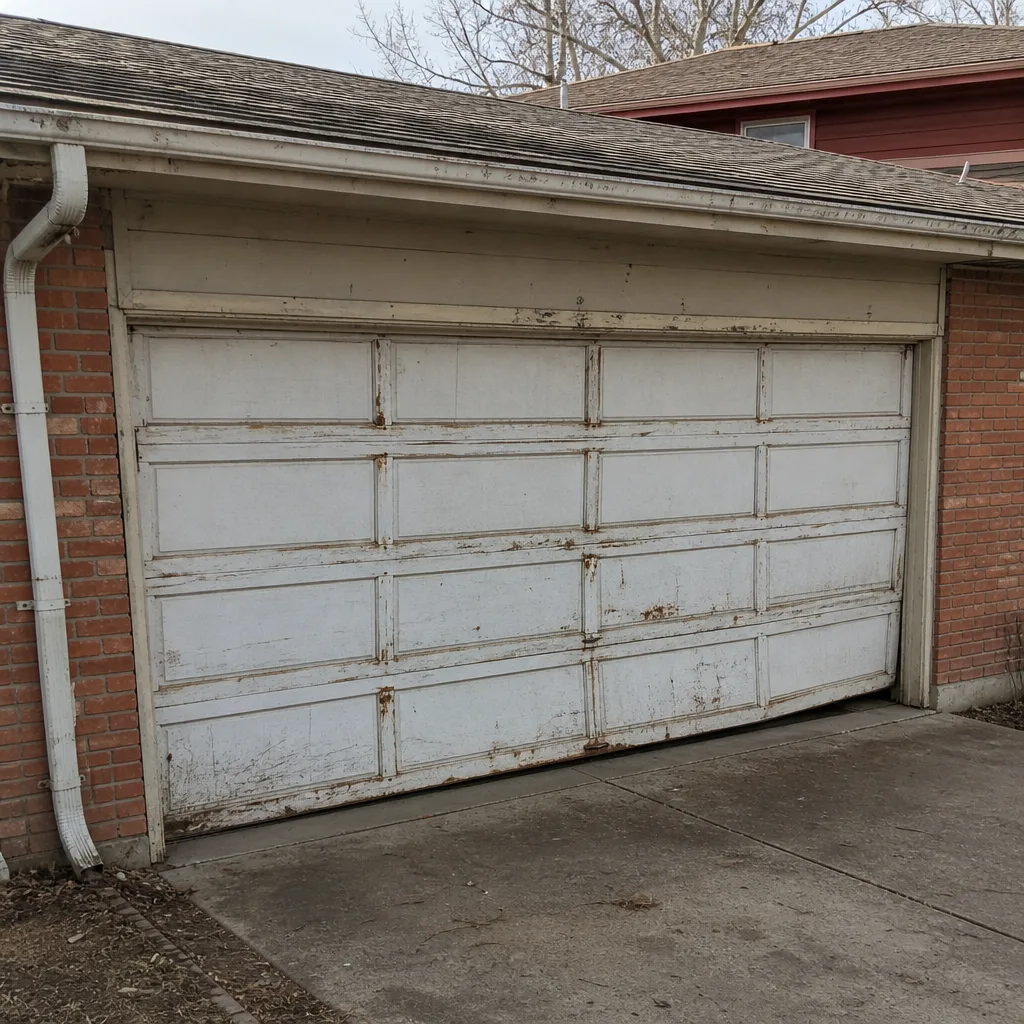 Before
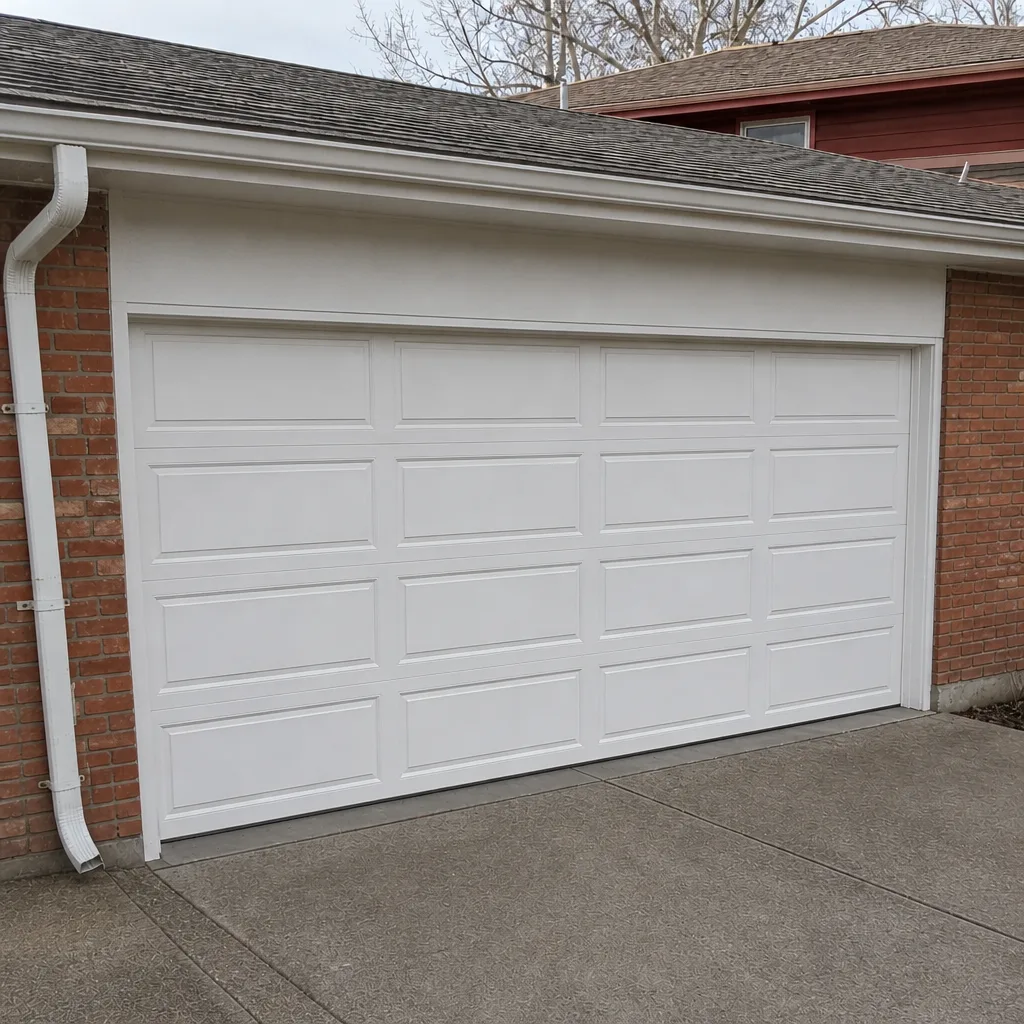 After
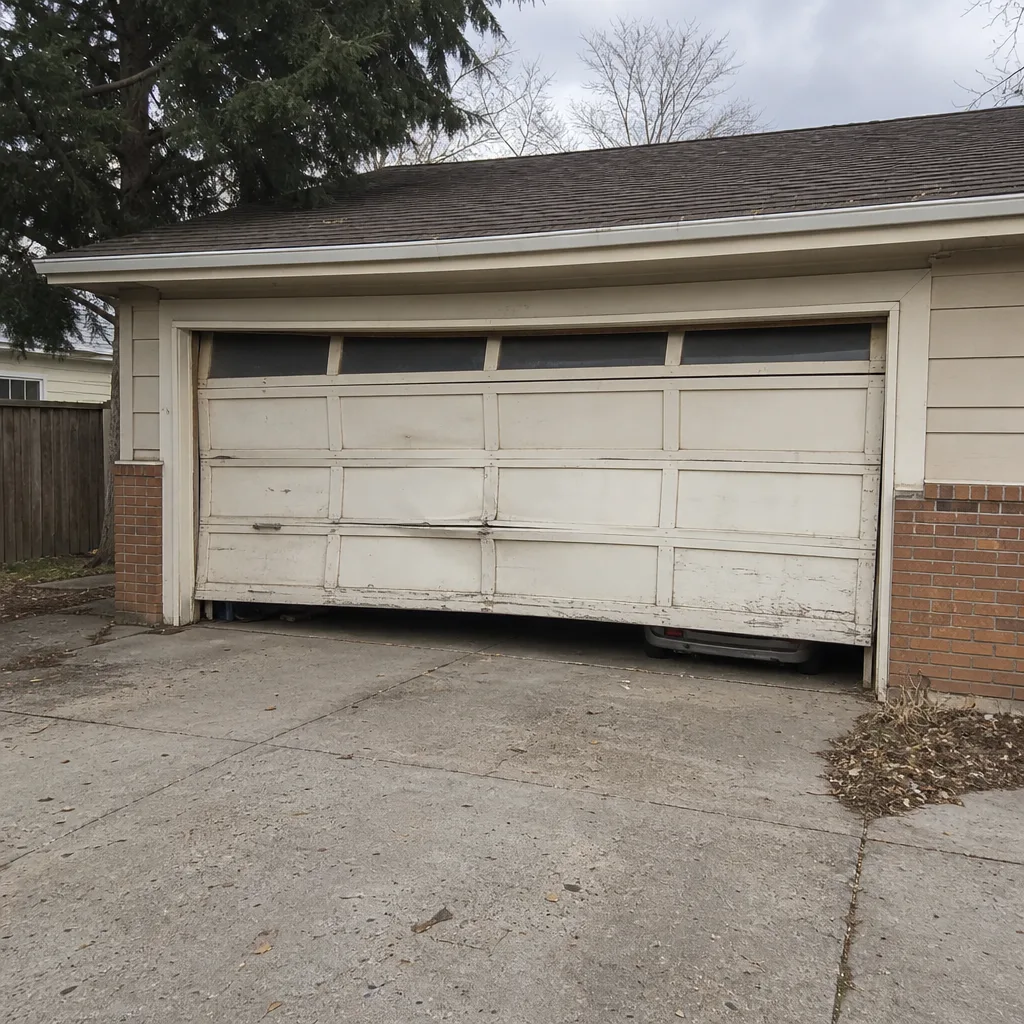 Before
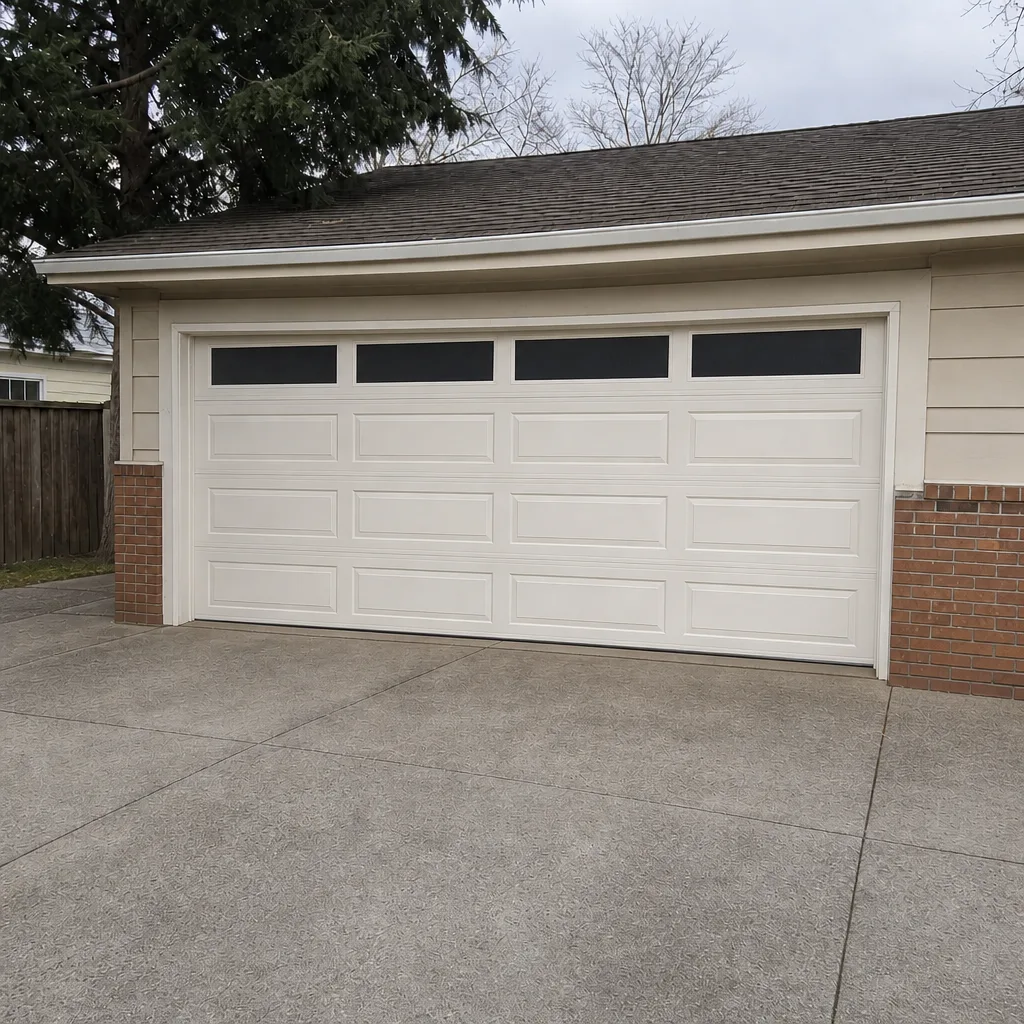 After
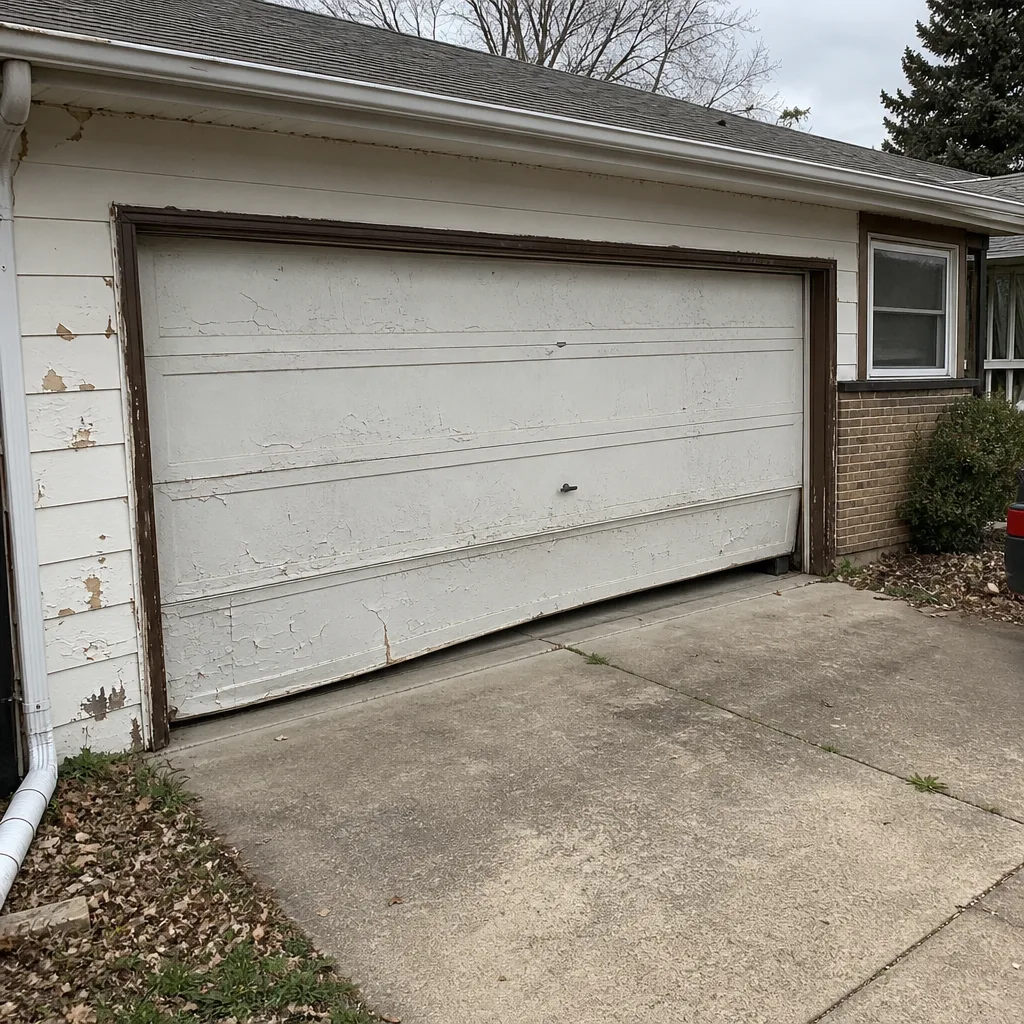 Before
 After