
Last updated November 22, 2026
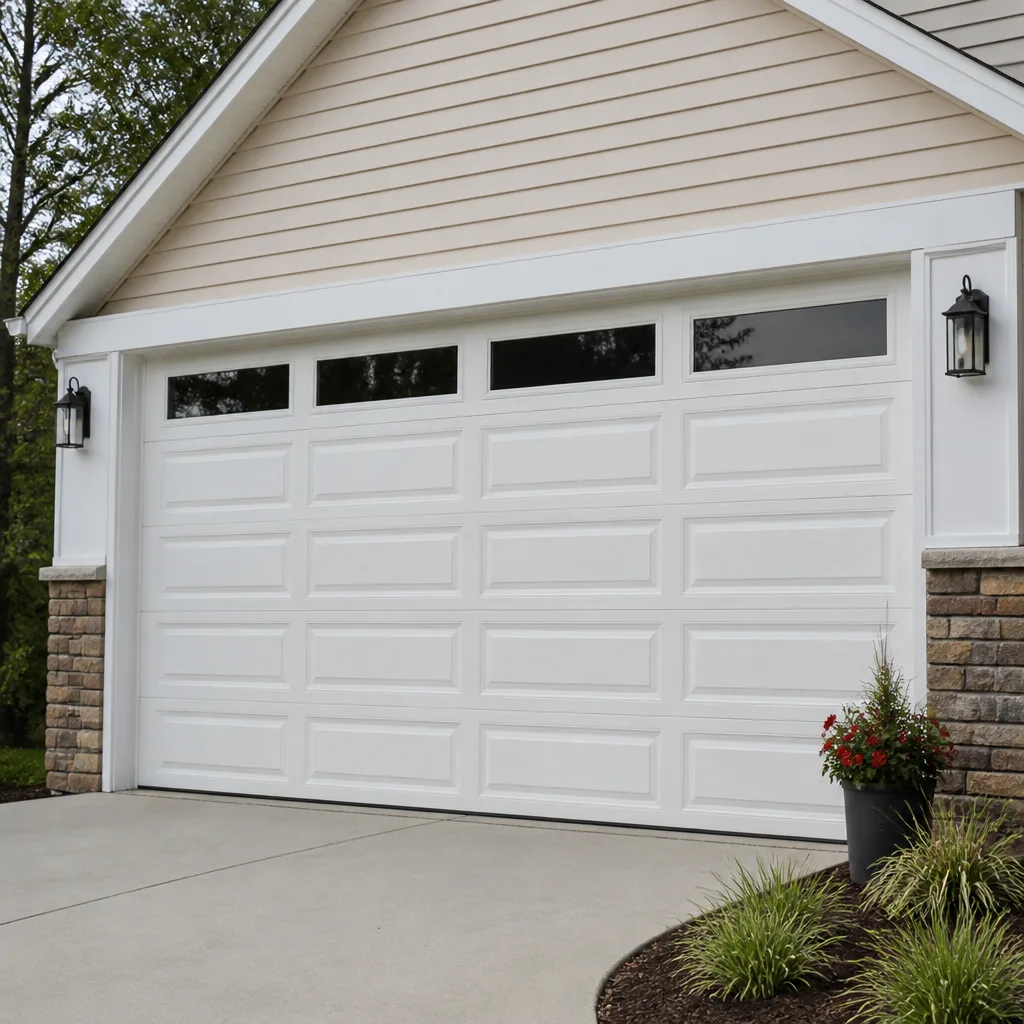 Raised-panel steel
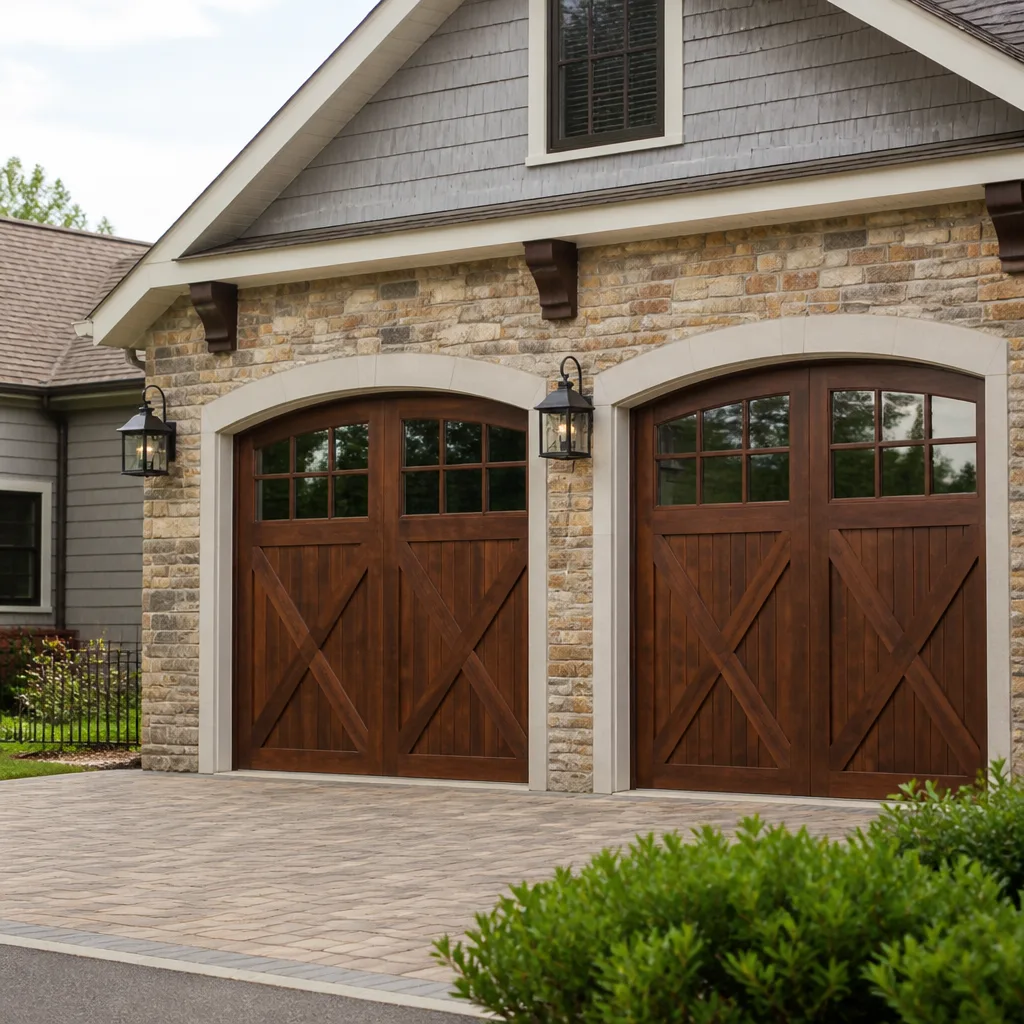 Carriage house
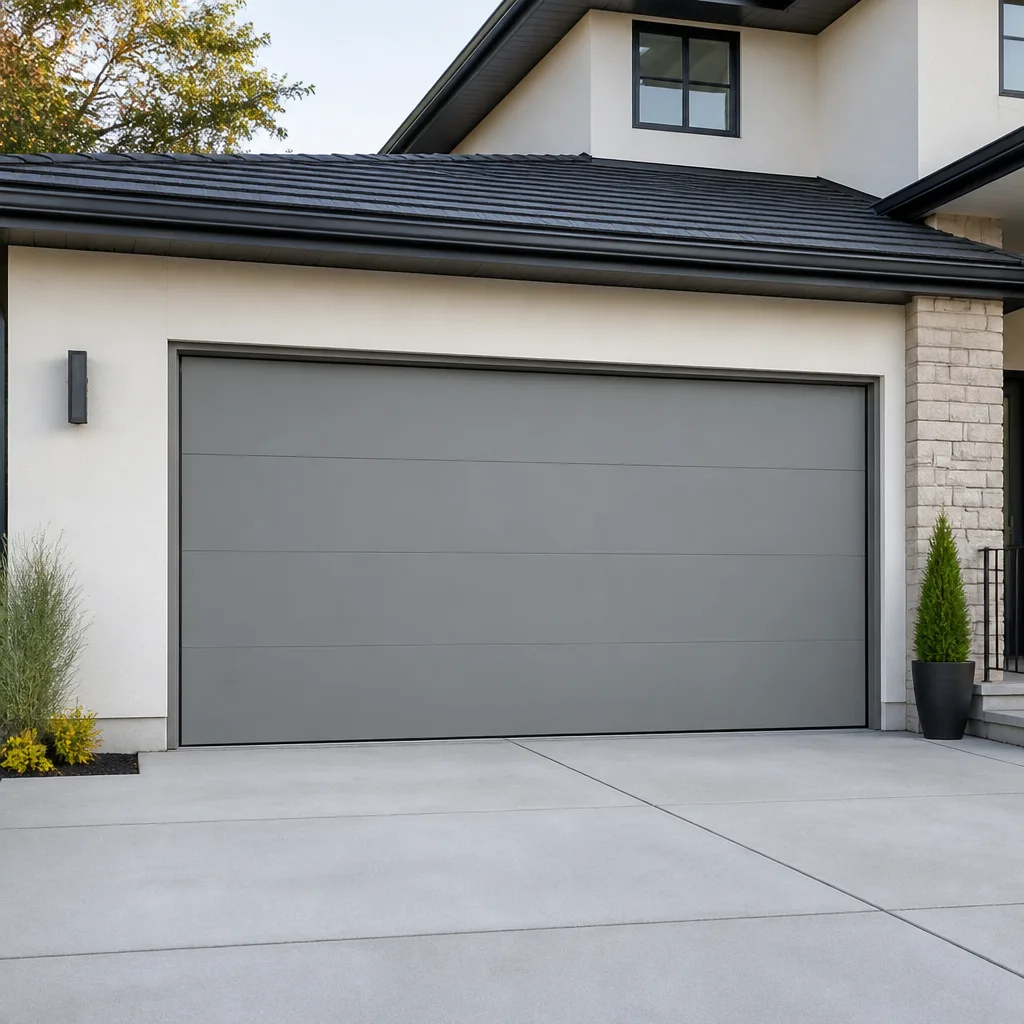 Modern flush
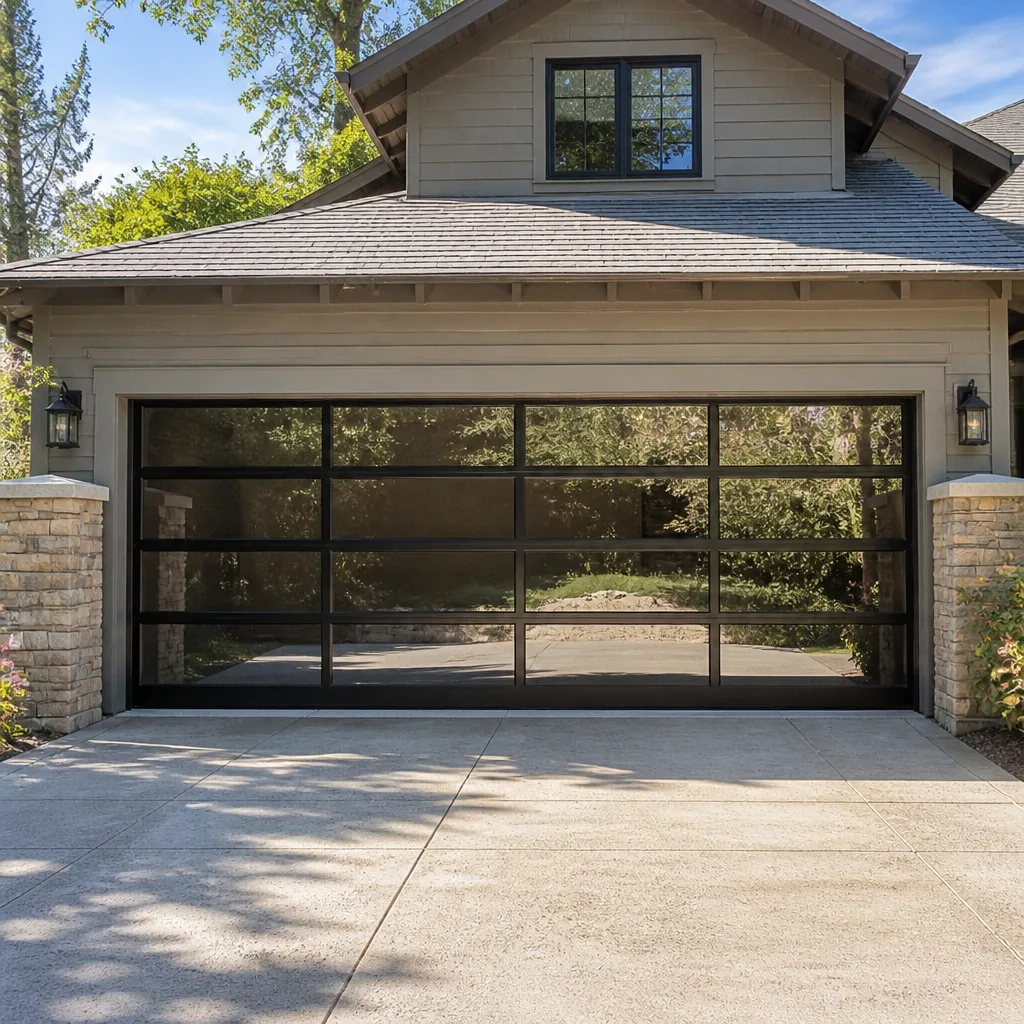 Full-view glass
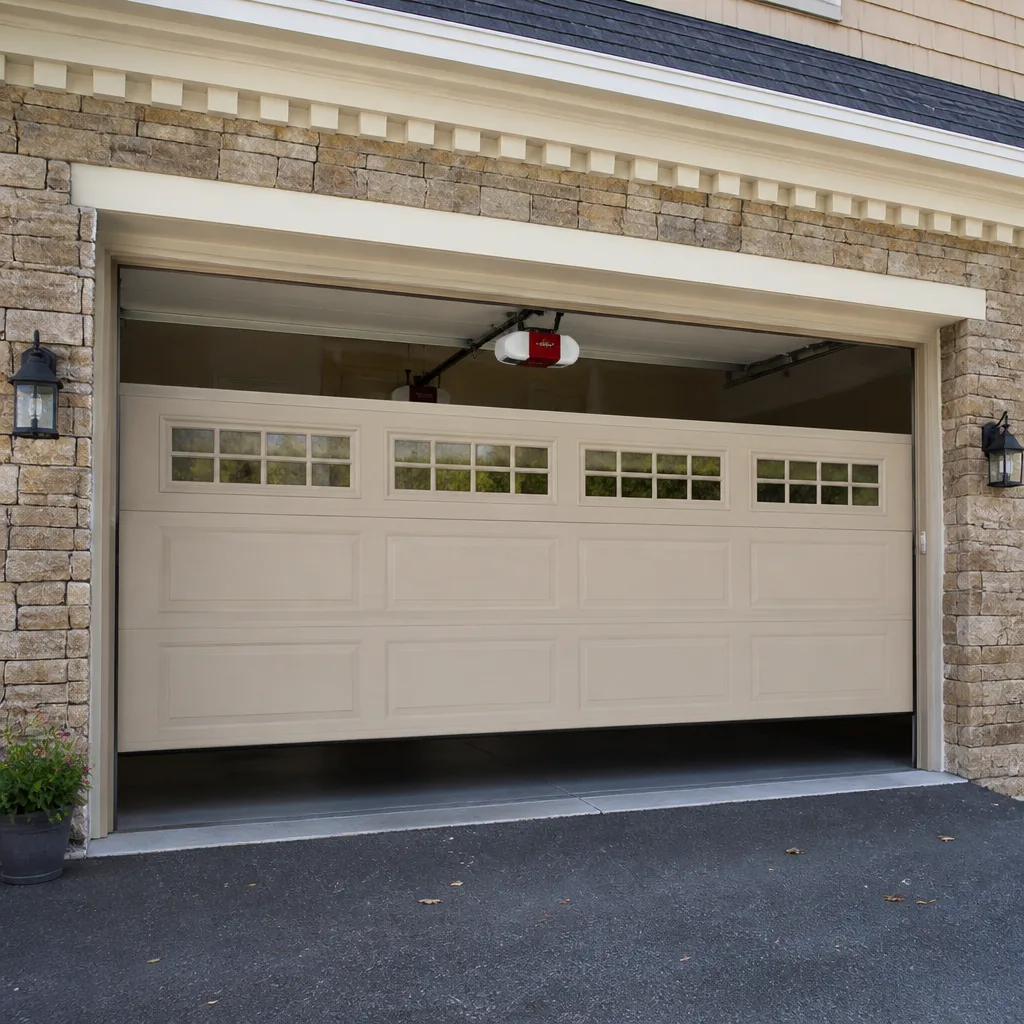 LiftMaster openers
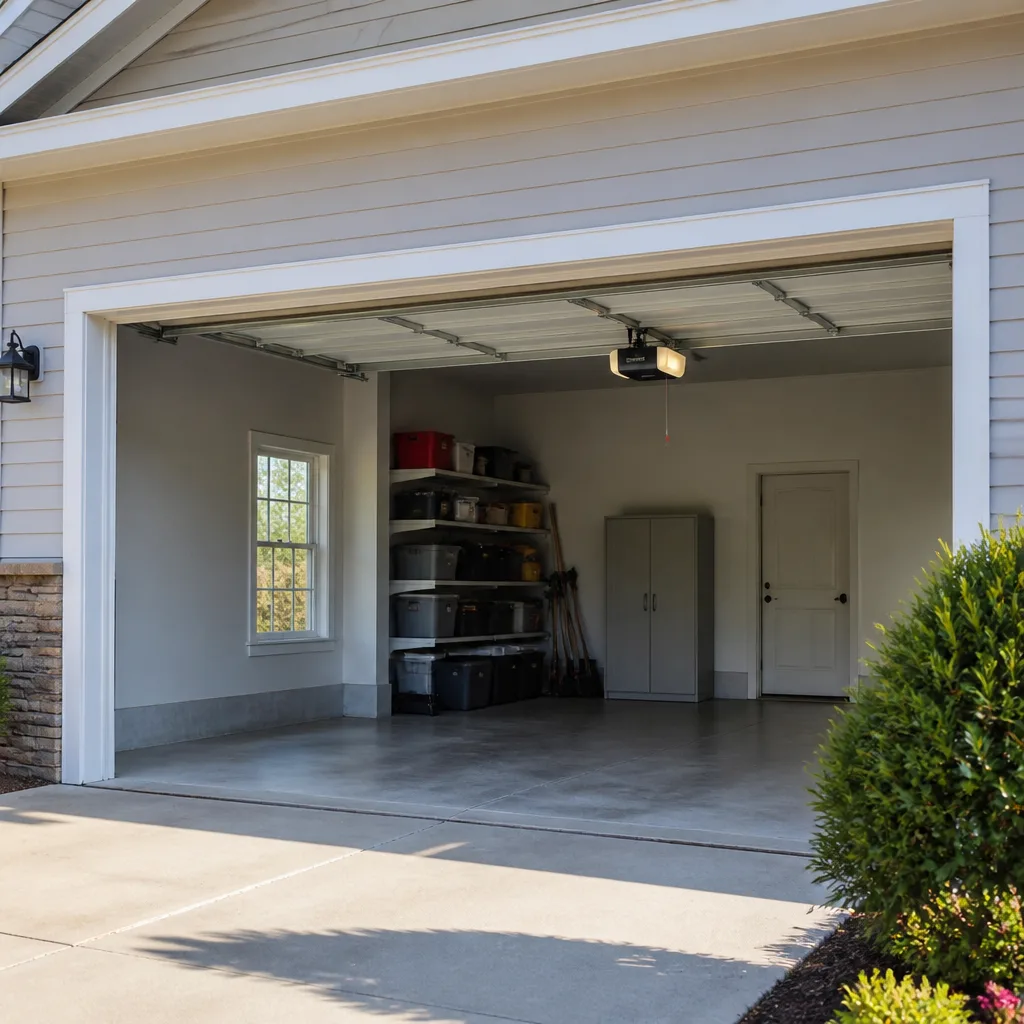 Chamberlain openers
Full 25-point door and opener safety check with every visit - springs, cables, rollers, tracks, and your LiftMaster or Chamberlain opener included
You get a price before we start. It does not change when the pro arrives.
Get your free estimateThe Complete Guide to Garage Doors in Harvey Park
Most “complete” garage door guides are written for a hypothetical suburban house. Harvey Park isn’t that house. The neighborhood’s stock is mostly mid-century ranch and brick homes from the 1950s through the 1980s, and those attached garages, narrower openings, and older framing dimensions make at least a third of the generic advice you’ll read online wrong for your home. A door that was sized for a 1950s single-car bay doesn’t behave like the 16-foot double-car door every article assumes. Low ceiling clearance, headers that have settled a fraction of an inch over decades, and weatherstripping that has baked in the Front Range sun all change what the “standard” answer actually is. In this guide we’ll map every part of the system, the spring to the opener, to the conditions Harvey Park homeowners really face.
Quick Answer
A garage door in Harvey Park is a complete system: springs, tracks, panels, opener, and weatherstripping all work together, and a problem you notice at one point usually starts somewhere else in that system. Mid-century homes here often have tighter openings and less headroom than modern builds, so door sizing and header clearance need to be measured, not assumed. The right fix is almost always a whole-system diagnosis, not a single-part patch.
Styles & brands we work with
- Raised-panel steel
- Carriage house
- Modern flush
- Full-view glass
- LiftMaster openers
- Chamberlain openers
Table of Contents
- How Harvey Park’s Mid-Century Homes Shape Door Sizing
- What Denver’s Front Range Climate Does to Your Door
- The Components of a Garage Door System
- Springs: The Most Dangerous Part to Ignore
- Why an Opener Upgrade Alone Usually Fails
- Brand Availability Along the Southwest Denver Corridor
- Repair or Replace? How to Decide
- A Simple Seasonal Check for Harvey Park Doors
How Harvey Park’s Mid-Century Homes Shape Door Sizing
Walk any block in Harvey Park and you’ll see the pattern: single-story brick ranches, attached garages, and a handful of two-car setups that are narrower than what builders pour today. Those dimensions matter more than most homeowners expect. When you call for a repair or a garage door installation, the measurements that determine what fits are headroom above the door, backroom behind the track, and the exact width and height of the opening. Older homes here frequently sit at the tight end of all three.
Header clearance is the one that catches people. A 1950s garage may have a header that sits lower than a modern standard, which limits the kind of track radius and opener rail you can use. That’s not a defect. It’s just how the house was framed. What matters is that whoever works on your door measures it first rather than ordering a “standard” size from a catalog and hoping.
- Opening width: many single-car bays here run narrower than the modern eight-foot norm, so a stock door may not drop in without adjustment.
- Headroom: low-clearance setups need specific track and spring configurations, not a generic one.
- Backroom: the space behind the door for the track and opener rail can be tighter than on newer builds.
- Attachment points: older framing and brick need proper anchors; a tech who doesn’t check is setting you up for a loose track later.
None of this makes an older Harvey Park garage difficult to service. It makes it specific. A specialist who works on mid-century homes recognizes these conditions on sight instead of discovering them after the wrong parts arrive.
What Denver’s Front Range Climate Does to Your Door
Denver’s climate isn’t simply “cold.” The real driver is the freeze-thaw cycle mixed with low humidity and intense sun, and that combination works on different parts of your door in different ways. Swing between a warm afternoon and a hard freeze overnight, dozens of times through a winter, and metal moves. Lubricant thins. Seals stiffen. The parts that felt fine in October start complaining in January.
Here’s how that shows up in our experience across Harvey Park:
- Springs take the most stress. Temperature-driven expansion and contraction across thousands of cycles is what eventually fatigues the steel.
- Weatherstripping dries out and cracks from low humidity and UV. It’s the first part to fail and the easiest to overlook.
- Rollers and hinges dry out without regular lubrication, and the resulting friction puts extra load on the opener.
- Tracks can shift or bow slightly with ground movement and temperature swings, which shows up as a door that rubs on one side.
- Paint and finish on older steel doors fade faster in strong sun, and wood components check and split in dry air.
The practical takeaway: on the Front Range, maintenance intervals are shorter than what generic guides suggest. A door that would coast for years in a mild, humid climate may need lubrication and a visual check more often here. If your door gets noisier each winter, that’s the climate talking, not your imagination.
The Components of a Garage Door System
Here’s the core idea this guide is built around: your garage door is one integrated system that moves as a unit. When you treat the springs, tracks, panels, opener, and weatherstripping as separate items, you fix symptoms and leave causes in place. When you treat them as a system, you solve the real problem. This is why we handle the whole door rather than one piece of it. From the spring to the opener, one call resolves the whole issue.
What “system” actually means
- Springs counterbalance the door’s weight. They carry the load so the opener doesn’t have to.
- Cables and drums transfer spring tension to the door and keep it level.
- Tracks and rollers guide the door through its travel, and alignment here affects everything.
- Panels and hinges form the door itself; a bent section throws off the balance.
- The opener lifts the door once the springs have done their job. It’s the motor, not the muscle.
- Weatherstripping and bottom seals close the gap against wind, water, and pests.
Read that list again and notice how interdependent it is. A door that’s out of balance strains the opener. A misfitted bottom seal lets in moisture that rusts hardware. A worn roller raises the load on the springs. In our experience, most “opener problems” are really mechanical problems that the opener was masking until it couldn’t anymore. That’s why we diagnose the whole system, the mechanical side and the electronic side, before recommending anything.
Springs: The Most Dangerous Part to Ignore
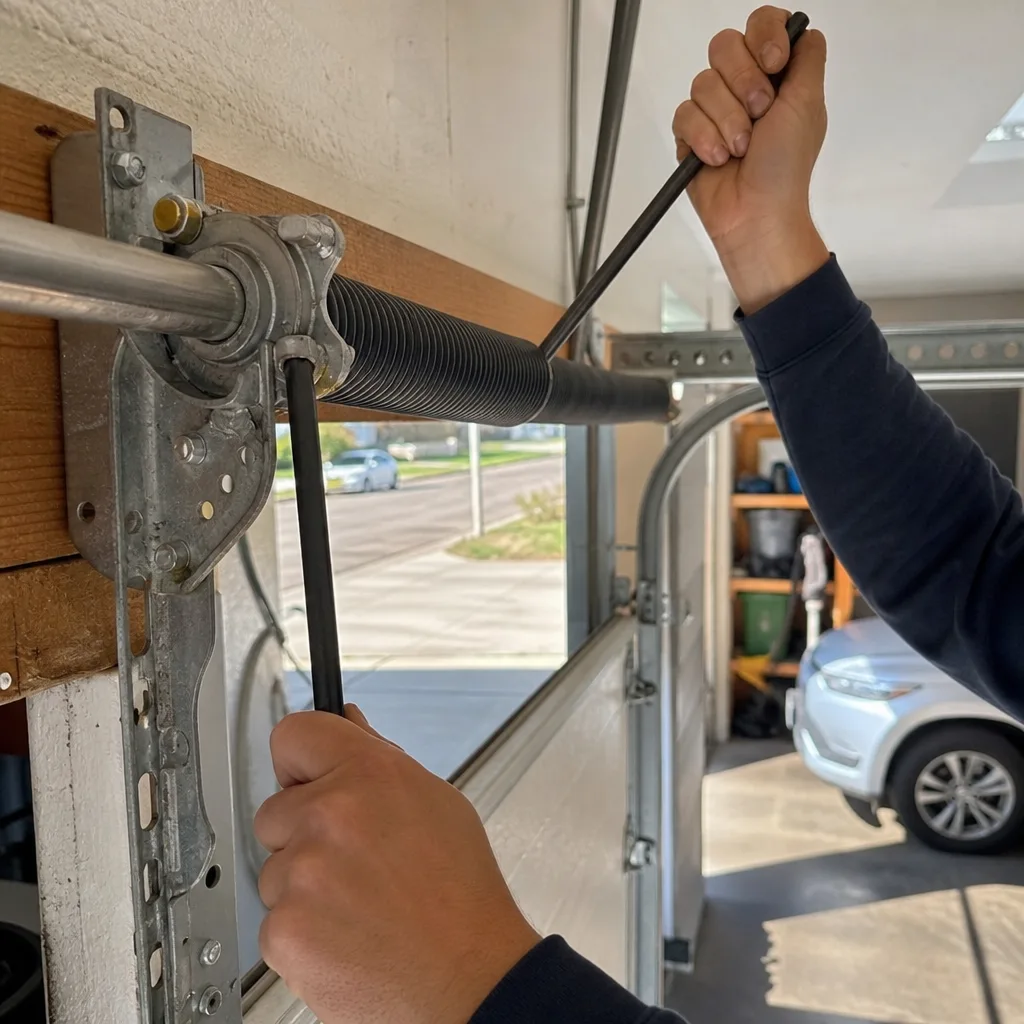
Garage door springs are under extreme tension, and they are the single most dangerous component in the system. This is not a part to experiment with. A torsion spring or a set of extension springs stores enough energy to cause serious injury if it releases unexpectedly, and that’s why many general repair services won’t touch spring work at all. We do, because it’s a core part of what a dedicated Garage Door Repair Harvey Park specialist should handle, and we bring the right training and the right tools to do it safely.
What you should know without touching anything
The honest answer is that you shouldn’t attempt spring repair yourself. What you can do is recognize the signs and call early:
- A loud bang from the garage, followed by a door that won’t lift.
- A visible gap in a torsion spring, or a stretched extension spring.
- A door that feels extremely heavy when you lift it manually.
- A door that slams down rather than lowering slowly, or rises crookedly.
Springs are rated for a finite number of cycles, and every open and close counts. When one fails, a matched pair is usually replaced together so the new springs wear evenly, which is why a pair costs about twice a single spring. A technician measures the door’s weight, matches the spring to it, and tests the balance afterward. That measurement and the balance test are why a spring job done right holds up through a Front Range winter instead of failing again by spring.
Why an Opener Upgrade Alone Usually Fails
A new opener on a door with bad springs is a motor working against a problem it can’t solve. This is one of the most common mistakes we see in Harvey Park: a homeowner replaces a noisy old opener hoping for a quieter, smoother door, and within a month the new unit is straining just like the old one did. The opener didn’t fail. The door underneath it was never healthy. That’s why our garage door opener repair starts with the door itself.
Step through it the right way
- Test the manual balance. Disconnect the opener and lift the door by hand. If it’s heavy or won’t stay put at mid-height, the springs are the issue, not the motor.
- Check the travel and alignment. A door that rubs, binds, or hangs crookedly will wear out any opener you put on it.
- Inspect the rollers, hinges, and tracks for friction or misalignment that raise the load.
- Then look at the opener. Once the mechanics are sound, an opener upgrade or repair makes sense and will finally give you the smooth, quiet result you wanted.
Modern openers from LiftMaster, Chamberlain, and Genie are capable units, and smart features and quiet belt drives are real improvements. They work best on a door that’s already balanced. Fix the mechanics, then address the electronics, and you solve the problem once.
Brand Availability Along the Southwest Denver Corridor
One advantage of a specialist is brand familiarity. We work on the equipment already in your garage, and we’re factory-familiar with eight of the most widely installed brands in residential homes: LiftMaster, Chamberlain, Genie, Clopay, Amarr, Wayne Dalton, Craftsman, and Raynor. On the southwest Denver corridor, including Harvey Park, those names cover the vast majority of doors and openers. Walk through any given block and you’ll find a mix, often a Clopay or Amarr steel door paired with a LiftMaster or Chamberlain opener, or an older Craftsman unit still running after many seasons.
Why does brand coverage matter for a Harvey Park homeowner? Two reasons:
- Diagnosis is faster. Knowing a brand’s common failure points and part compatibility saves guesswork.
- Parts sourcing is built in. We can source and replace common components on the job rather than leaving you to track down parts yourself.
That second point is where a lot of repairs stall. A homeowner finds the right part online, waits a week, and ends up with the wrong fit because the door’s dimensions aren’t standard. A technician who works across these brands and carries the common parts gets you back to a working door faster, without a scavenger hunt.
Repair or Replace? How to Decide
The decision comes down to the condition of the door as a whole, not one part. A single spring, a worn opener, or a bent panel on an otherwise sound door is a repair, and often a straightforward one. When multiple parts are failing at once, though, the math changes. Replacing component after component on a door that’s near the end of its service life can cost more than a new door that comes with fresh hardware and a modern opener.
Signs repair is the right call
- One or two parts are failing and the panels and frame are solid.
- The door is level and the tracks are straight.
- The opener works but the door is noisy or heavy.
- The issue is weatherstripping, rollers, or a single spring.
Signs replacement makes more sense
- Multiple panels are dented, rusted, or water-damaged.
- The door is out of balance even after a spring repair.
- You’ve replaced several parts recently and more keep failing.
- You want a quieter system and a modern opener at the same time.
Either way, the price should be quoted and agreed before any work starts, and the written estimate is the final number. That applies whether the answer turns out to be a repair or a replacement. A new door is measured and ordered, so the timeline is scheduled rather than immediate, and it’s worth getting a free measure and a written price before you commit.
A Simple Seasonal Check for Harvey Park Doors
A short check a couple of times a year catches most problems before they strand you. This is what you can safely do yourself, followed by what to leave to a technician.
What you can check
- Look and listen. Open and close the door and note any grinding, squeaking, or uneven movement.
- Check the balance. With the opener disconnected, lift the door to mid-height. It should stay put with little effort.
- Inspect the weatherstripping. Look for cracks, gaps, or hardened rubber along the bottom and sides.
- Clear the tracks. Wipe away debris and check that the tracks are straight and free of dents.
- Lubricate the moving parts that the manufacturer says to lubricate, and keep lubricant off the tracks themselves.
What to leave to a professional
Springs, cables, and anything involving the counterbalance system are hands-off. Those parts are under high tension and a mistake can cause serious injury. If your seasonal check turns up a heavy door, a broken spring, a frayed cable, or a door that won’t stay level, that’s the point to call rather than investigate further. Safety first, always.
Common Mistakes to Avoid
- Replacing the opener to fix a mechanical problem. If the door is heavy or out of balance, a new opener will strain exactly like the old one did. Fix the springs and door first.
- Ordering a “standard” door size online. Harvey Park’s mid-century openings often don’t match modern norms. Measure headroom, backroom, and opening dimensions before you buy anything.
- Ignoring weatherstripping until it’s gone. In Denver’s dry, sunny climate it dries and cracks faster than you’d expect, and the moisture that gets in does more damage than the strip itself.
- Attempting spring repair yourself. This is the most dangerous DIY repair on a garage door, full stop. A spring under tension can release without warning, and it’s not worth the risk.
- Skipping lubrication because the door “still works.” Dry rollers and hinges raise friction, which wears the opener and springs faster. A little maintenance goes a long way.
- Treating parts as separate items. A bent track, a worn roller, and a tired spring all add up. A whole-system diagnosis finds the cause instead of chasing symptoms.
- Letting a small misalignment sit. A door that rubs on one side wears the track, the rollers, and the opener over time. Catch it early and it’s a small fix.
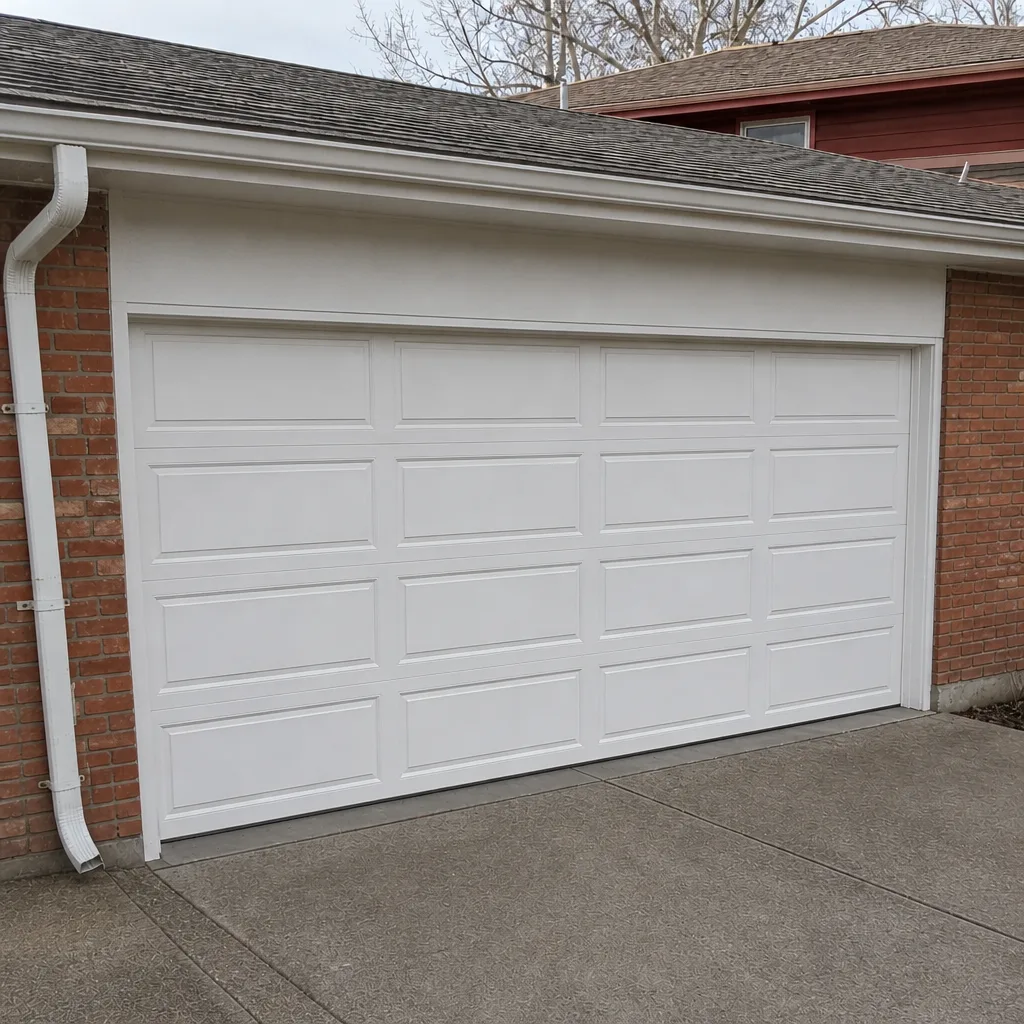
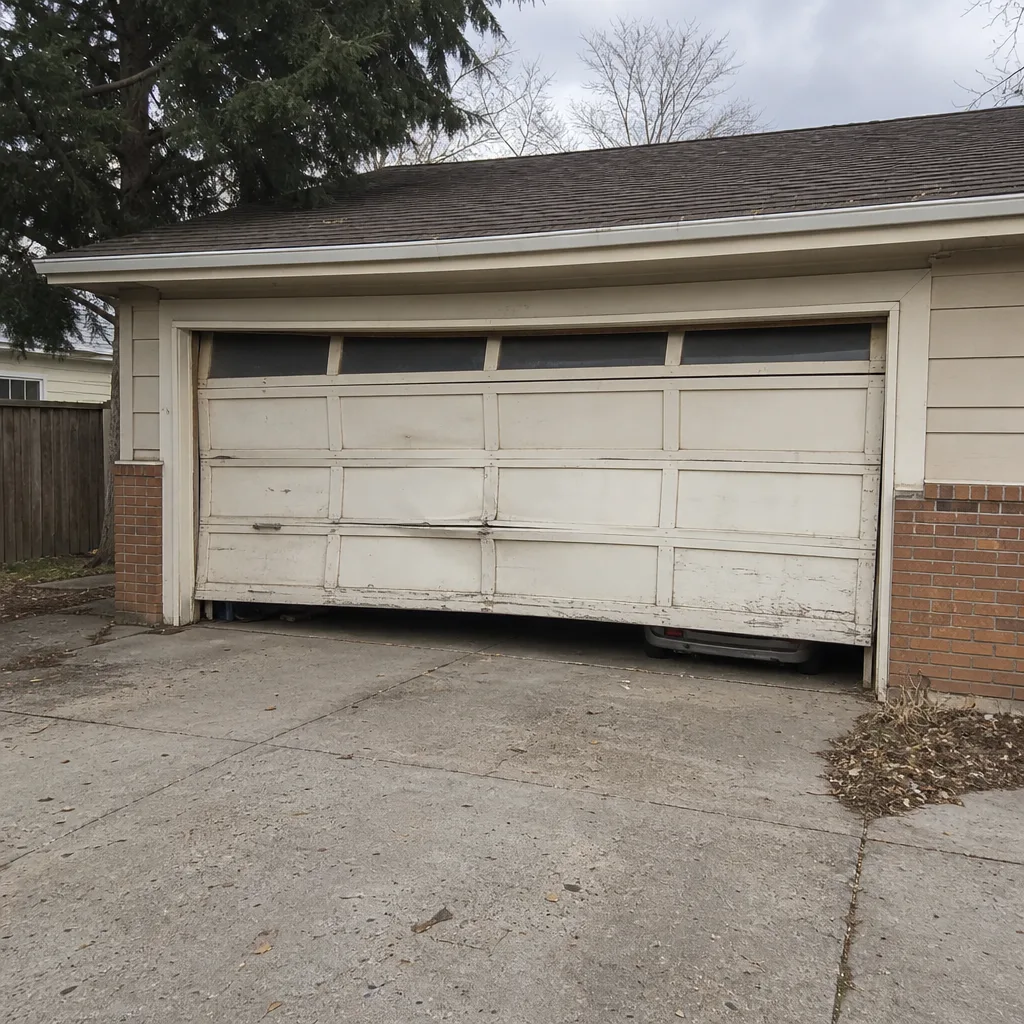
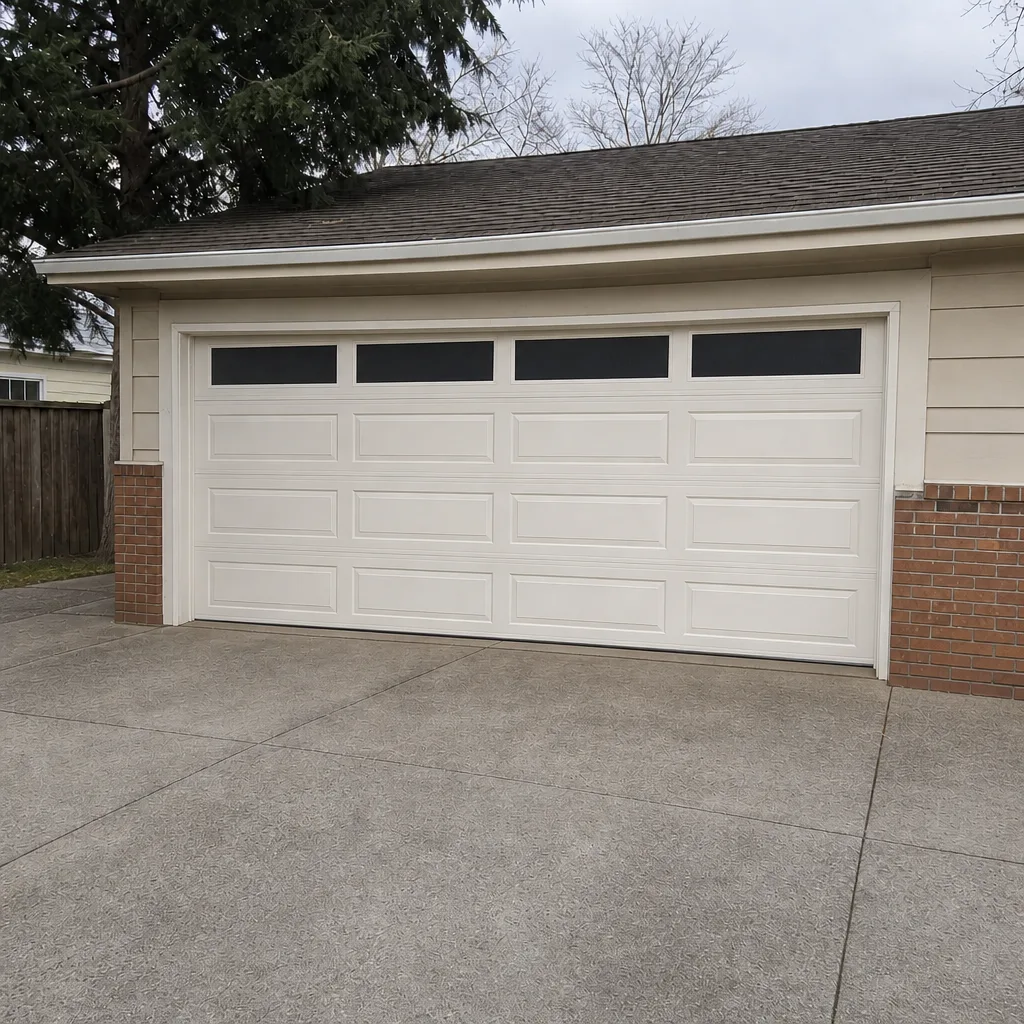
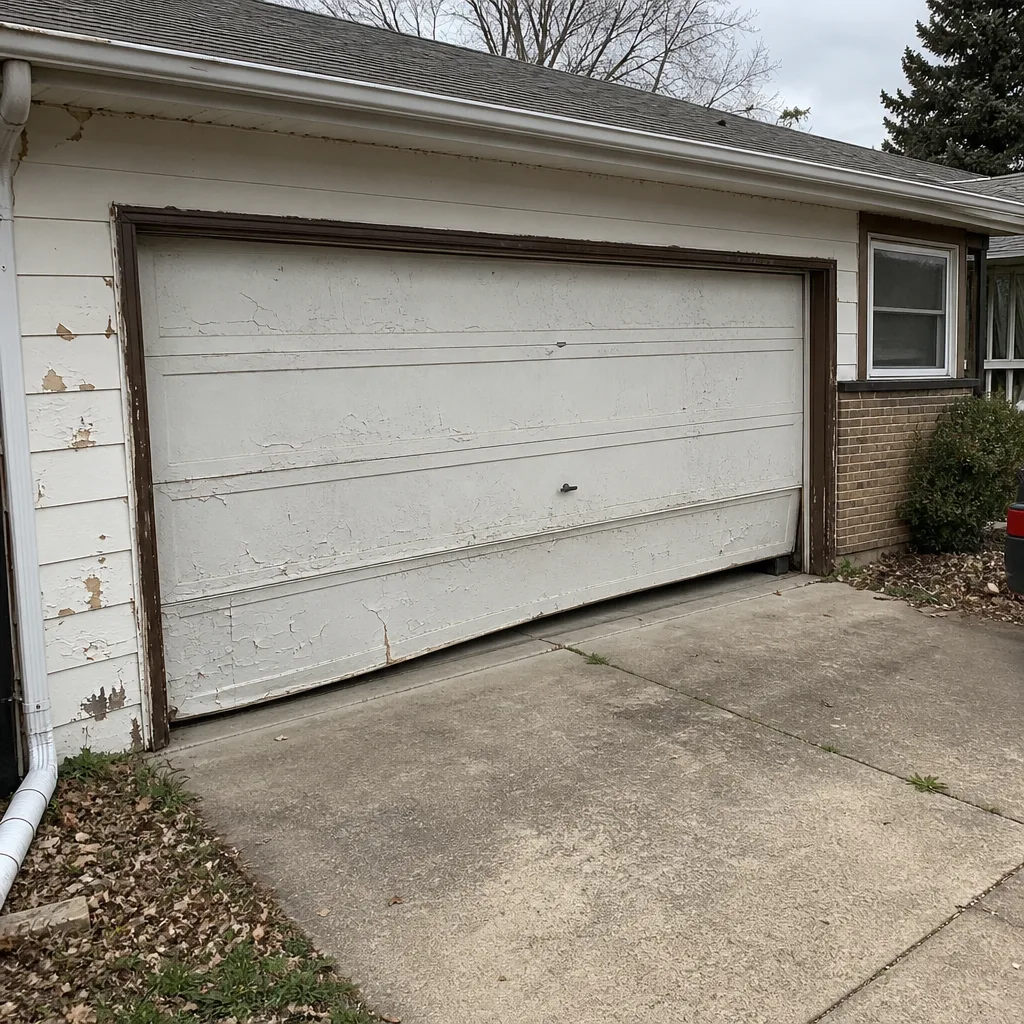
See the difference
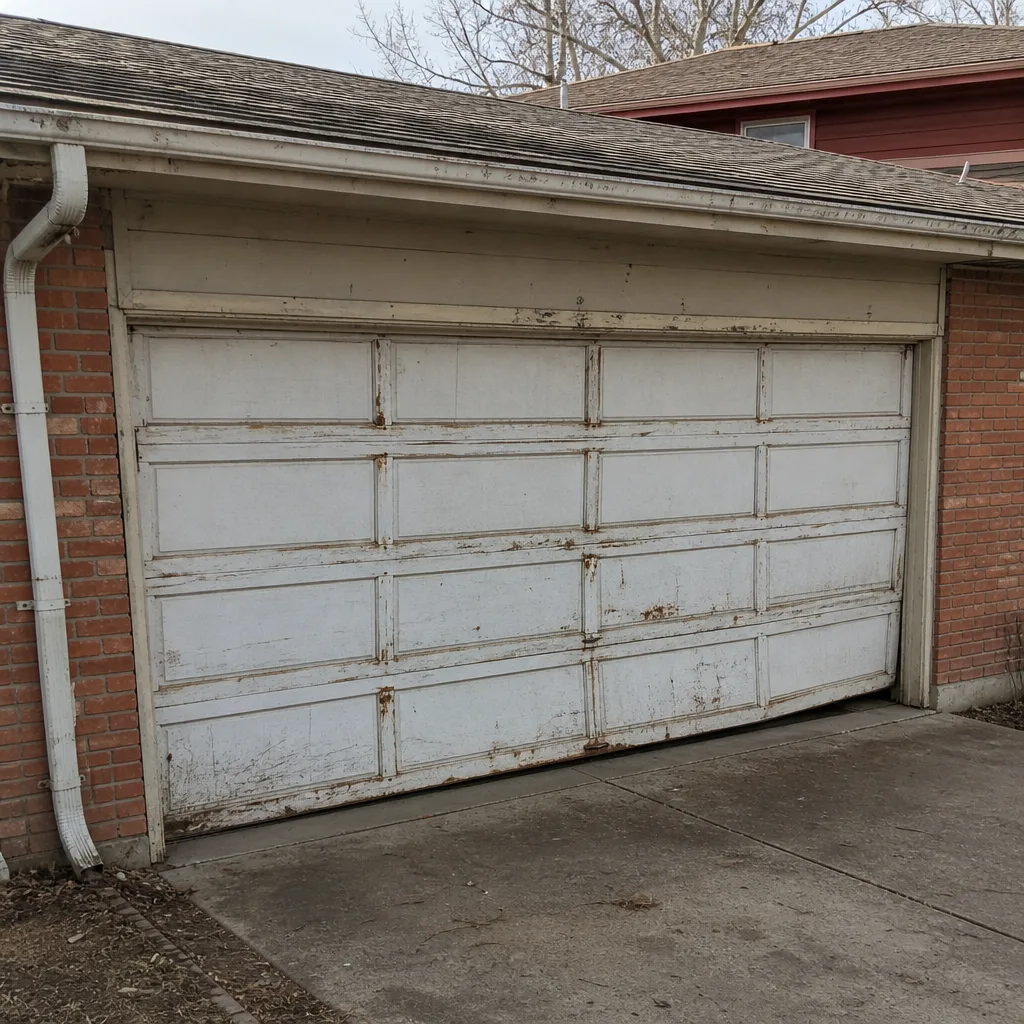 Before
 After
 Before
 After
 Before
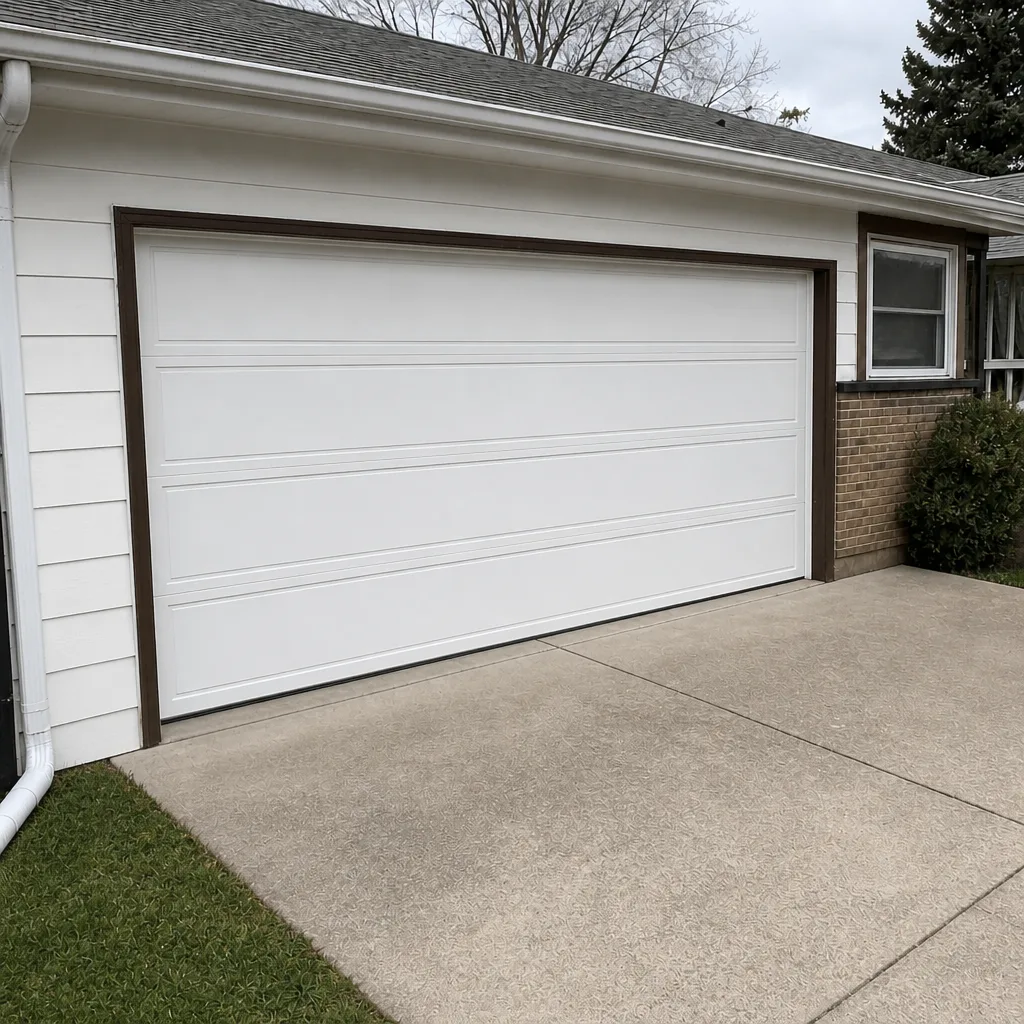 After
When to Call a Professional
Call a professional when any part of the counterbalance system is involved, when the door won’t lift or won’t stay level, when a spring breaks, or when you hear a cable fraying. Call when the opener behaves erratically, the door reverses for no reason, or a panel is bent badly enough to affect travel. Call before you order a replacement door, so sizing is measured against your actual opening. And call when a maintenance check turns up something you’re not sure about. Garage Door Repair Harvey Park offers free estimates in Harvey Park: call (833) 319-0790. We answer 24/7, and fast dispatch from 7am to 7pm gets a technician to you to diagnose the whole system, not just the symptom.
Frequently Asked Questions
It depends on the job, and the written estimate you receive is the final price. Repair costs vary with the part involved, the door’s size and condition, and whether the issue is mechanical or electronic. We provide free estimates, quote the price before any work starts, and confirm it with you so there are no surprises. Call (833) 319-0790 for an exact quote.
For repair calls, same-day service is often possible. We answer 24/7 and dispatch from 7am to 7pm, Sunday through Friday, and a call outside dispatch hours is booked into the next opening. Installation and replacement work is measured and scheduled rather than same-day. Call (833) 319-0790 for an exact quote.
No, the price is quoted and agreed before any work starts. We diagnose the whole system, give you a written estimate, and only proceed once you’ve approved it. If the inspection turns up something that changes the scope, we discuss it with you before doing anything further. Call (833) 319-0790 for an exact quote.
The local professionals we connect you with are licensed and insured as their state requires. Our technicians have up to 12 years of experience and are trained on the major brands already in your garage, including LiftMaster, Chamberlain, Genie, and Raynor. Call (833) 319-0790 for an exact quote.
Cold weather stiffens lubricant, tightens seals, and stresses springs that are already near the end of their life. Denver’s freeze-thaw cycle exaggerates all of it. If the door becomes noticeably harder to lift as temperatures drop, the springs or the rollers are the likely cause, and it’s worth a check before a failure leaves you stuck. Call (833) 319-0790 for an exact quote.
Most likely yes. We’re factory-familiar with eight of the most widely installed brands in residential homes, including LiftMaster, Chamberlain, Genie, Clopay, Amarr, Wayne Dalton, Craftsman, and Raynor, which cover the vast majority of doors and openers here. Parts sourcing is built into the service, so common components can be replaced on the job. Call (833) 319-0790 for an exact quote.
The Bottom Line
Your garage door is one system, and Harvey Park’s mid-century homes and Front Range climate ask more of it than a hypothetical suburban house. Tighter openings and older framing mean sizing and headroom need measuring, not assuming. Freeze-thaw and low humidity wear springs, seals, and rollers faster here. Brand familiarity and built-in parts sourcing keep repairs from stalling. And the single most important habit is this: fix the mechanical door first, then the electronics, and never touch the springs yourself. Whether you need a repair, an opener fix, or a garage door repair, one specialist covering the whole door gets you a working system instead of a patched symptom.
If your door is stuck, noisy, or just needs a look, we can help. Garage Door Repair Harvey Park offers free estimates in Harvey Park. Call (833) 319-0790. We answer 24/7. Fast dispatch from 7am to 7pm, Sunday through Friday.
Written by the team at Garage Door Repair Harvey Park.